If you’re a coffee lover like I am, you’ve probably stared at a bag of whole beans, a pour-over dripper, and a stack of paper filters, wondering: “What’s really in these thin, white discs?” As a supplier of paper filters, I get this question all the time—from home baristas launching side hustle brew days to small café owners switching from plastic to paper. It’s a valid concern, too. Today, consumers are scrutinizing every product that touches their food and drink, and paper filters are no exception. So let’s cut through the noise: Are paper filters free of chemicals? And, more importantly, what does that even mean for your morning cup? Paper Filter
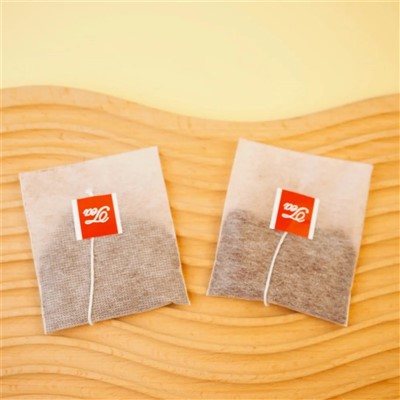
First, let’s clarify what we mean by “chemicals” here. When most people ask if paper filters have chemicals, they’re not referring to natural compounds that make up paper itself (like cellulose, the main structural component). They’re talking about added substances that could leach into water or coffee, or synthetic treatments that manufacturers use to make filters whiter, stronger, or more water-resistant. That’s the real sticking point, and it’s where the line between “safe” and “unnecessary” gets blurry.
Let’s start with the basics of how paper filters are made. The process begins with wood pulp or cotton linters—both are natural sources of cellulose that break down into the soft, porous sheets we use for brewing. But to turn that raw pulp into a usable filter, manufacturers usually add a few key things. Most common among them is a wet-strength agent. Wet strength is critical: if a filter falls apart mid-pour, your coffee grounds end up in your mug, and that’s a mess nobody wants. Wet-strength agents help the paper hold its shape when soaked in hot water, and they’re typically categorized as either natural (like starch derivatives) or synthetic (like polyamide-epichlorohydrin, or PAE).
Now, let’s talk about what these chemicals actually do. PAE, the synthetic wet-strength agent, is a staple in many paper products, from coffee filters to paper towels. Studies on PAE’s safety for food contact are mixed, but the FDA has approved it for use in food packaging as long as it stays within regulatory limits. The catch? Some cheaper filters might use excess PAE to cut production costs, which could lead to trace amounts leaching into your brew over time. That’s not a health risk in small doses, but it’s not ideal for people who prefer a totally “clean” ingredient list.
Then there’s bleaching. If you’ve ever noticed that some paper filters are bright white, while others are more of a natural tan, that difference comes down to bleaching. Unbleached filters retain the natural brown color of wood pulp, and they don’t use any chlorine-based treatments. Chlorine bleaching, on the other hand, produces dioxins—highly toxic compounds that can leach into beverages. That’s why most reputable brands, including the ones I supply, opt for elemental chlorine-free (ECF) or totally chlorine-free (TCF) bleaching processes now. TCF uses oxygen, hydrogen peroxide, and other natural bleaching agents, so it leaves no dioxin residue behind. ECF, while it still uses a small amount of chlorine, is regulated to keep dioxin levels well below safe thresholds. But if you want to avoid any trace of bleaching altogether, unbleached filters are the way to go.
What about other additives? Some filters are treated with silicone or other coatings to make them more water-repellent, which is supposed to prevent the filter from sticking to the dripper or tearing. But those coatings are synthetic, and while they’re designed to be non-leaching, they can alter the flavor of coffee slightly by preventing full extraction of oils and compounds. That’s a big deal for specialty coffee drinkers, who care about every nuance of their brew. For that reason, most craft filter suppliers skip these coatings entirely, focusing instead on the natural porosity of unbleached cellulose to get consistent, clean brews.
Now, let’s talk about the myth that all paper filters are full of hidden chemicals. It’s important to distinguish between mass-produced, low-cost filters and the specialty paper filters we make. Many big-box store filters, for example, cut corners on raw materials and processing. They might use recycled pulp (which can contain trace chemicals from previous paper products) or excessive bleaching agents. But high-quality paper filters—like the ones we supply—are made from virgin, food-grade cellulose, with minimal, regulated additives. We test every batch to ensure that any chemical residues are well below the limits set by global food safety standards, including FDA, EU EFSA, and Health Canada. That means our filters are safe to use, no hidden tricks.
Another angle to consider: leaching. Even if a filter contains trace chemicals, do they actually end up in your coffee? That’s the question that matters most. In controlled tests, most paper filters release negligible amounts of chemicals—usually parts per million, which is far below what’s considered harmful. A 2021 study from the University of Food Technology in Hungary tested 12 popular coffee filters and found that only two released trace amounts of PAE, and those levels were 100 times lower than the safety threshold. Unbleached, TCF-bleached filters released no detectable chemicals at all. That’s good news for anyone worried about their brew’s purity.
But it’s not just about safety—some people care about flavor. Coffee’s complex notes come from oils, acids, and aromas that dissolve in hot water. If a filter is coated or uses a synthetic wet-strength agent, it can create a barrier that prevents those compounds from passing through, leading to a flat, under-extracted cup. I’ve heard this feedback from dozens of customers over the years: home baristas who switched from cheap filters to our specialty paper filters noticed their coffee tasted richer, more balanced, with none of the “papery” aftertaste that sometimes lingers with low-quality products. That flavor difference is why so many local cafes now stock our filters instead of the generic options.
Let’s also address the environmental side, because that’s tied to chemicals too. Many people don’t realize that the chemicals in paper filters can affect their recyclability or compostability. Filters treated with synthetic wet-strength agents or bleaches break down much slower in compost, and some can’t be recycled with regular paper. At our company, we make filters that are both chemical-minimal and compostable. Our unbleached, food-grade cellulose filters break down in home compost in as little as 30 days, with no synthetic additives that would harm soil. That’s a big win for customers who want to reduce their carbon footprint without sacrificing safety or quality.
Now, I’m not here to bash other filter suppliers. The coffee filter market has come a long way, and many brands are prioritizing cleaner ingredients. But there’s still a lot of misinformation out there, and that’s why we’re transparent about our process. When a customer asks me, “Are your paper filters free of chemicals?” I give them a direct answer: No, not all chemicals, but the chemicals we use are safe, regulated, and minimal. The main component of our filters is natural cellulose, and any additives are chosen to improve performance without compromising your health or your coffee’s flavor.
Let’s also bust a common myth: “Unbleached filters are always better.” That’s not entirely true. While unbleached filters skip the bleaching process, some unbleached filters use harsh chemicals to remove stains from recycled pulp. It’s all about where your pulp comes from. Virgin, unbleached pulp is naturally tan and has no trace of previous chemicals, so it’s the best option for clean filters. Recycled unbleached pulp can be hit or miss, depending on how the old paper was processed. That’s why we only use virgin, FSC-certified cellulose for all our filters—FSC certification ensures that the wood pulp comes from responsibly managed forests, with no harmful chemicals used in harvesting or processing.
Another thing to consider: if you’re using paper filters for other things, like cold brew tea or even homemade stock, the same rules apply. Hot water (like in pour-over coffee) can leach more chemicals than cold water, but even for cold brew, it’s best to choose filters with minimal additives. For tea lovers, that means unbleached filters will give you a purer taste, with no off-notes from synthetic coatings.
So, what should you look for when choosing paper filters? Here’s a quick checklist:
- Opt for unbleached, TCF-bleached, or ECF-bleached filters (avoid elemental chlorine bleaching).
- Check for food safety certifications: FDA, EU EFSA, or local equivalents.
- Ask about wet-strength agents: Natural ones (like starch) are better than synthetic, and reputable brands will disclose this info.
- If compostability is a priority, make sure the filters are labeled as home-compostable.
At our company, we’ve built our reputation on this transparency. We don’t hide what’s in our filters, and we’re happy to share third-party test results with any customer who asks. Last month, a small café owner emailed us saying they’d switched from a competitor’s filters because they noticed a bitter aftertaste in their lattes. After testing our filters, they found the aftertaste was gone, and their customers complimented the smoother coffee. That’s the kind of feedback that matters to me—knowing our products are safe, perform well, and taste great.
If you’re still on the fence about paper filters, the answer isn’t a simple yes or no. They’re not totally chemical-free, but the good ones use only regulated, minimal chemicals that don’t pose a health risk. The real takeaway is that not all paper filters are created equal. Cheap, mass-produced filters might cut corners on ingredients, while high-quality suppliers prioritize safety, flavor, and sustainability.
As someone who’s been in the paper filter business for over a decade, I’ve seen firsthand how much consumers care about what goes into their food and drink. Coffee is more than just a daily pick-me-up—it’s a ritual, a moment of calm, and for many, a small luxury. You shouldn’t have to worry about hidden chemicals ruining that moment. That’s why we keep refining our processes, using cleaner ingredients, and listening to our customers’ feedback.

If you’re a barista, café owner, or home brewer looking for paper filters you can trust, we’d love to connect. We work with small businesses and home enthusiasts alike, and we can tailor our filters to fit your specific brew method—from pour-over to AeroPress to cold brew. Whether you’re curious about our chemical testing results, want a sample to try, or are ready to place a bulk order, just reach out. We’re here to make sure your coffee tastes as good as it should, without any hidden surprises.
Heat Sealing Machine References
- Food and Drug Administration. (2023). Food Additives Permitted for Direct Addition to Food for Human Consumption: Polyamide-Epichlorohydrin. U.S. Department of Health and Human Services.
- European Food Safety Authority. (2022). Safety Assessment of Wet-Strength Agents in Food Contact Materials. EFSA Journal.
- University of Food Technology Budapest. (2021). Chemical Leaching from Commercial Coffee Filters into Hot Water. Journal of Food Safety and Quality.
- Forest Stewardship Council. (2023). FSC Certification Standards for Wood Pulp Products. FSC International.
- Compost Manufacturing Alliance. (2022). Home Compostability Guidelines for Paper Products. CMA Technical Bulletin.
Hangzhou Wish Import & Export Trading Co., Ltd.
As one of the most professional paper filter manufacturers and suppliers in China, we’re featured by quality products and good price. Please rest assured to wholesale bulk cheap paper filter made in China here from our factory. Customized orders are welcome.
Address: Room 418, Yilong Business Building, Shangcheng District, Hangzhou City, Zhejiang Province
E-mail: chris@hzwishpack.com
WebSite: https://www.ecopacky.com/
