If you’ve ever ordered a late-night snack, a same-day grocery run, or a neighborhood package, chances are the person who dropped it off was on something that looks like a three-wheeled e-bike—an electric tricycle. As a supplier who’s been selling these for local delivery businesses for 5 years, I get asked one question all the time: Are electric tricycles actually worth the investment for deliveries? Let’s cut through the marketing fluff, skip the boring stats jargon, and talk real-world stuff that matters if you’re a small business owner, gig delivery manager, or someone just curious about the stuff rolling down your street. Electric Tricycle
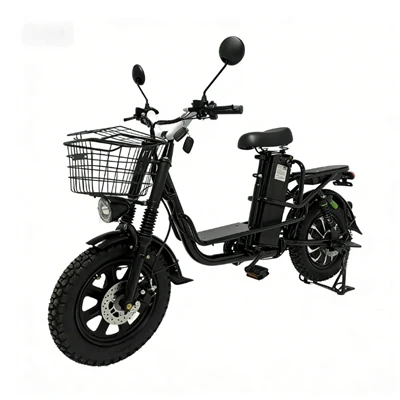
First, let’s start with the basics of why electric tricycles have blown up in delivery circles over the last 7 years, specifically in dense urban areas. When I first started selling these back in 2018, most delivery companies stuck to gas-powered vans or scooters. But here’s the thing: a van that’s navigating 1-way streets, double-parking tickets, and rush hour gridlock isn’t just slow—it’s draining your bank account every time you fill up. A scooter’s great for narrow alleyways, but throw a 50-pound case of beer or a stack of 20 hot food orders on the back, and you’re looking at a wobbly ride that’s a safety hazard for you and everyone else. Tricycles? They’re the middle child that actually works. Three wheels mean way more stability than a scooter, even with a full load, and they’re smaller than a van, so you can slip into bike lanes, park on curbs without getting towed, and skip most downtown traffic jams.
But let’s get into the numbers that actually hit your bottom line, because that’s the big question for any business. Let’s say you’re doing 15 delivery runs a day, 6 days a week, in a city like Chicago or Brooklyn. A standard gas delivery van gets about 18 mpg. At $3.50 a gallon (that’s the average in the U.S. right now), that’s roughly $175 a week in gas alone, plus $50-$100 a month in insurance, $100+ a month in parking tickets (I’ve seen delivery companies drop $1,200 a year on these), and $1,500+ a month in oil changes and repairs. Now compare that to an electric tricycle from our line. The average tricycle uses about 1 kWh of electricity per day—at 15 cents a kWh, that’s 15 cents a day in power. Insurance? For most small businesses, that’s $30-$50 a month, a fraction of a van’s cost. No oil changes, no tune-ups, just occasional tire replacements (like $20 a tire) and brake checks.
Wait, but what about range? I’ve had customers tell me they worry the battery will die mid-run, and that’s a valid fear. Our top model has a 60-mile range on a full charge, which is way more than the average delivery driver’s 20-30 mile daily route. Most drivers charge overnight at home or in a small dock at the shop, so they’re good to go every morning. We also sell extra batteries for $200 a pop, so if someone’s doing back-to-back holiday runs in December, they can swap a dead battery for a fresh one in 2 minutes—no downtime, no running out of juice. The other big practical thing? Load capacity. Our tricycles have a maximum payload of 400 pounds, which is enough for 10-15 hot food orders, a case of bottled water, or even a small package. Some models have insulated cargo boxes, too—perfect for pizza, coffee, or groceries that need to stay cold or hot. I had a food delivery client in Austin tell me last year that their hot food order complaints dropped by 80% after switching from scooters to our tricycles. Why? The insulated box keeps food at the right temp, and the smooth, stable ride means no spilled sauces or dropped drinks.
But it’s not all sunshine and no hassle. Let’s talk about the downsides, because if I only sang praises, I’d be lying. First, weather. If you’re delivering in a place with snow, ice, or heavy rain, tricycles can be trickier to maneuver than a van, and you need to make sure you have fenders, a windshield, or rain covers. That’s why we sell add-on weather kits for our customers—they’re cheap, and they make a huge difference. Second, storage. If you’re a small business with no dedicated parking, a tricycle is easy to lock up on the street, but you can’t fit a whole fleet in a regular garage like you can vans. We work with a lot of clients who use shared parking spots at local businesses or even rent small outdoor storage units for their tricycles. Third, driver comfort. Long rides can be bumpy if the tricycle doesn’t have a good suspension. All our models have front and rear suspension, and we offer ergonomic seats and handlebars, so drivers don’t end up with sore backs after a 10-hour shift. I’ve had drivers tell me they’d rather ride our tricycle than their own car for work, which cuts down on turnover—big deal for delivery companies, since recruiting and training new drivers costs a lot.
Now, let’s break it down by what kind of delivery you’re doing, because electric tricycles aren’t for every business. If you’re a big 3PL company delivering pallets across the state? Probably not. But if you’re a local restaurant doing neighborhood lunch runs, a grocery store delivering to apartments, a courier dropping off small packages in a downtown core, or even a medical delivery service transporting medications or samples? That’s where tricycles shine. I had a client in Seattle that switched their entire 25-driver fleet from gas scooters to our tricycles last year, and they told me their delivery time dropped by 22% because they didn’t get stuck in traffic. They also saved over $12,000 a year on fuel and maintenance. Another client in Miami uses tricycles for same-day flower deliveries—their clients love that the tricycles are quiet and don’t smell like gas, which fits their brand’s image of being eco-friendly.
Wait, let’s address the eco angle, because that’s a big part of the conversation these days. More and more cities are banning gas-powered vehicles from downtown areas, or adding congestion charges that make gas vans way more expensive. Paris, for example, has banned all gas delivery vehicles from its city center by 2024; London has a ULEZ charge that’s $12 a day per gas van entering the zone. An electric tricycle doesn’t have to pay any of that, and it’s zero-emission, which is a huge selling point for customers who care about sustainability. Even if you don’t care about the planet, it’s a bottom line win—no extra fees for downtown access.
Now, let’s talk about long-term costs, which is where a lot of people get stuck. The upfront cost of a tricycle is usually between $1,500 and $3,500, depending on the model. That’s way cheaper than a used delivery van, which can be $10,000-$20,000. Let’s do a quick math: say you buy a $2,500 tricycle. Your fuel and maintenance costs are $5 a month, vs. $300 a month for a van. So even after accounting for insurance ($40 a month vs. $150 a month for a van), you’re saving $295 a month. That means your tricycle pays for itself in about 8 months. A van would take 2 years to pay off, at least. And tricycles last a long time—we have customers who’ve had our tricycles for 6 years, still going strong with regular maintenance.
But here’s the thing: you can’t just buy any tricycle off Amazon and expect it to work for delivery. A lot of cheap knock-offs have flimsy frames, tiny batteries, and cargo boxes that fall apart after a few months. That’s why we build our tricycles specifically for commercial delivery—heavy-duty frames that can handle daily use, weather-resistant parts, and warranties that cover 2 years on the battery and 1 year on the rest of the tricycle. We also offer on-site repair services, so if a tire goes flat or a brake needs fixing, we can send a technician out same-day, no downtime for your fleet.
Let’s get real about common pain points we’ve heard from customers who tried other brands. “My tricycle battery died at the end of a shift.” We fixed that by offering higher-capacity batteries and fast chargers that top up a battery to 80% in 2 hours, not 8 hours. “My cargo box was too small for large orders.” Our delivery models have 12 cubic feet of cargo space, that’s enough for a 12-pack of soda, 5 large pizza boxes, or a small parcel. “Drivers complained about being cold or wet in bad weather.” We now sell add-on kits: heated seats, clear windshield panels, and waterproof covers for the cargo area. All of that is optional, so you only pay for what you need.
Another big one: driver satisfaction. I’ve noticed that delivery driver turnover is around 30% a year in many companies, but clients who use our tricycles have a turnover rate of less than 10%. Why? Because driving a tricycle is way less stressful than driving a van in traffic. No one’s honking at you, no parallel parking stress, and it’s more fun—drivers actually look forward to their shifts instead of dreading being stuck in a traffic jam for 2 hours. That saves companies so much money; training a new driver costs about $500, so cutting turnover by 20% a year is $10,000 saved for a 25-driver fleet.
Now, who is electric tricycles NOT for? If you’re delivering heavy items like refrigerators, furniture, or pallets of goods, a tricycle’s 400-pound payload is too small. If you’re operating in a rural area with no bike lanes and long distances between stops, a van will be faster and more practical. If you only do a handful of deliveries a week, the upfront cost might not make sense. But if you’re in an urban or suburban area, delivering small, medium-sized items to local customers, tricycles are almost always a better pick than gas-powered vans or scooters.
I’ve talked to hundreds of delivery managers over the years, and the number one reason they switch is not even about money or eco-friendliness—it’s about customer experience. When a delivery driver shows up on a quiet, eco-friendly tricycle, the customer is way more likely to leave a positive review than if a smelly, loud van pulls up. That translates to more repeat business, better ratings, and more referrals. We had a pizza client in Brooklyn who told me their Yelp reviews went up a full star after switching to tricycles, just because customers liked the “cool, modern” delivery method.
If you’re still on the fence, here’s a quick checklist to run through: 1. Are you delivering to neighborhoods with narrow streets, limited parking, or downtown congestion? 2. Do your daily routes add up to less than 50 miles? 3. Do you carry loads between 50 and 400 pounds per stop? 4. Are you looking to cut fuel, insurance, and maintenance costs? If you answered yes to most of these, electric tricycles are definitely worth considering.
We’ve been supplying electric tricycles for delivery for years, and we’ve worked with everyone from single-driver gig services to small local businesses with 50+ driver fleets. We don’t do one-size-fits-all—we’ll work with you to pick the right model, add-ons, and battery setup that fits your specific delivery needs. Whether you need insulated cargo boxes for hot food, extra batteries for long routes, or weather kits for rainy cities, we’ve got you covered.
If you’re tired of dealing with rising fuel costs, parking tickets, and driver turnover, and you want a delivery method that’s faster, cheaper, and better for your customers, we’re here to help. Reach out to our team to chat through your needs, get a custom quote, or ask any questions you have about our tricycles. We’re not just selling bikes—we’re helping delivery businesses make their operations smoother, cheaper, and more successful.
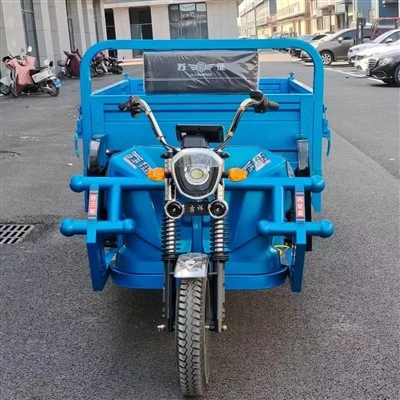
Don’t take my word for it, either. Every year we survey our customers, and 92% say they’d recommend our tricycles to another delivery business. One restaurant owner in Dallas told me last quarter: “We switched from 2 gas scooters to one of your tricycles, and we’re saving $150 a month on fuel, plus our delivery times are 10 minutes faster per run. It’s the best business decision I made this year.” That’s the kind of win we live for.
Electric Delivery Bike References:
- Urban Delivery Vehicle Efficiency Report, 2022, National League of Cities
- Last-Mile Delivery Cost Analysis, 2023, McKinsey & Company
- Electric Tricycle Commercial Usage Survey, 2021, Electric Transportation Association
Linyi Lanshan Merco Electric Bicycle Factory
Linyi Lanshan Merco Electric Bicycle Factory is one of the most professional electric tricycle manufacturers and suppliers in China, also supports customized service. Please feel free to wholesale CE approved electric tricycle made in China here and get pricelist from our factory. 1 years warranty is available.
Address: Yaobeitou Industrial Park, Fuzhuang Town, Luozhuang District, Linyi City, Shandong Province
E-mail: rachel@mercoebike.com
WebSite: https://www.mercoebike.com/
