Hey there, let’s cut to the chase if you’ve ever wondered if you can fix your subframe instead of forking out for a whole new one—especially if you’re in the auto parts game like I am. For anyone who’s been part of the subframe parts supply scene for a minute (yep, that’s us), this question comes up nonstop from mechanics, shop owners, and even casual gearheads building their own rides. I get it: subframes are the unsung heroes holding your engine, suspension, and steering all together, and when something goes wrong, the first thought is usually “new part = big bill.” But can they actually be repaired? Let’s break this down like we would over a coffee at a warehouse break room—no jargon, just real talk. Subframe Parts
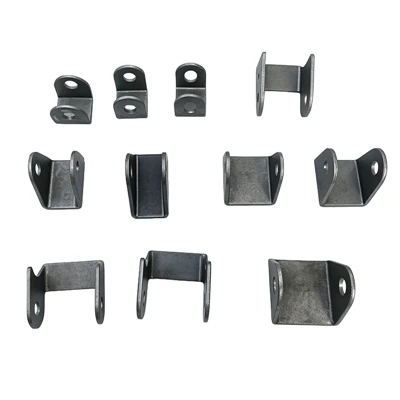
First off, let’s be clear on what a subframe even is, because mixing that up with a body panel or a fender will get you in trouble. A subframe is that rigid, heavy-duty metal (usually steel, sometimes aluminum) assembly that bolts to your car’s unibody or is a full frame on older trucks. It’s not a thin, bendable piece—this is the stuff that takes all the stress from potholes, hard turns, and tow loads. So repair here isn’t like patching a dent in a door. It’s a matter of metal integrity, right?
The short answer: sometimes yes, sometimes no. The line between “fixable” and “trash” is way thinner than you’d think, and it’s not based on how obvious the damage looks. Let’s start with the types of damage that actually make sense to repair. Small, localized issues are the sweet spot here. Like a stripped bolt hole that’s only in one corner—you can helicoil that, no problem. Or a small crack in a non-critical structural flange, like the area where a motor mount bolts on, that’s less than an inch long. Those are doable, as long as the repair is done correctly. How? TIG welding, not MIG, because MIG can put too much heat and warp the surrounding metal, which messes with the alignment of everything that bolts to the subframe. Also, you can’t just weld it up and call it a day—you have to grind it smooth, maybe heat-treat it to relieve any stress from the weld, and then recheck the bolt holes to make sure they’re still aligned. That’s the part most cheap shops skip, which ends up causing more issues later.
But here’s the part people miss: even if the damage looks minor, it has to be in a non-critical area. If your subframe has a crack that runs through the main rail—like the long metal beams that run front to back holding the suspension arms? Forget repairing that. Or if it’s bent more than a tiny fraction of an inch, even a little, that’s a no-go. Subframes are engineered with exact tolerances, and a bent rail shifts the alignment of your wheels, steering, and suspension way more than a tiny dent in a bumper. I’ve seen shops try to bend a subframe back in a press and then weld a crack, only to have the customer bring it back a month later complaining of pulling to one side and loose steering. That’s not a repair—that’s a band-aid, and it’s dangerous.
Wait, what about aluminum subframes? A lot of modern cars use aluminum to save weight, right? Those are trickier. Aluminum doesn’t weld the same way as steel—you need specialized equipment and filler metal that matches the alloy, otherwise the weld will be brittle and crack. Also, aluminum is way more prone to warping from heat, so even a small weld on an aluminum subframe can throw off the alignment. So for aluminum, repair is only for the most minor, non-structural damage. Like a small scratch on the surface? Maybe, but if it’s a crack or bend, replacement is almost always better. The last thing you want is your engine dropping because a patched aluminum subframe failed at 70 mph.
Now, let’s talk about the common myths that float around the auto parts world. Some people say “all subframe repairs are illegal” because of crash tests. Nope—there’s no federal law that bans repairing a subframe, but there are laws that require the repair to meet original equipment manufacturer (OEM) specs. That means if you do a repair, it has to be as strong as the original part, otherwise it’s unsafe. Also, some insurance companies will push for repair instead of replacement to save money, but they’ll often only cover it if it’s done right by a certified shop. Other myth: “repair is always cheaper than replacement.” Not when you factor in the time and risk. If you mess up a subframe repair, you’re looking at alignment work, re-welding, and maybe even replacing the whole thing anyway. For smaller, standardized subframe parts—like the motor mount brackets that we supply all the time—replacement is often cheaper, faster, and less risky than fighting with a botched repair.
That’s where being a subframe parts supplier comes in handy, right? We see this every day. Mechanics come to us panicking because they quoted a repair, it turned out the subframe was bent, and now they need a new one fast. Or shop owners who thought fixing a small crack would save them $200, only to spend $500 on a proper weld and alignment. The key here is knowing when to walk away from repair. Let’s make a quick checklist, the kind we tape to our warehouse walls for our team to share with customers:
- Is the damage in a main structural rail, crossmember, or sway bar mount? If yes, skip repair—replace.
- Is the crack longer than 1 inch, or is the subframe bent more than 0.5 inches? No repair.
- For aluminum subframes: any crack or bend = replace.
- If the subframe has rust—especially on steel ones—how bad is it? Small surface rust on non-critical areas? Maybe. Rust that’s eaten through the metal, making it thin? Replace. Rust weakens metal way more than most people realize, and welding over rusted areas will just make the crack worse over time.
Wait, let’s talk rust for a second, because that’s a huge one in places where roads use salt in the winter. A lot of older trucks and SUVs come in with subframes that have rust issues. A small spot of surface rust on a bracket? You can sand it, clean it, then weld a patch if needed. But if the main rail has rust that’s so thin you can poke a hole in it with a screwdriver? No way. That metal is already compromised, even if you patch it, and it won’t hold up to the stress of driving. I’ve had guys bring in 10-year-old pickups thinking they can repair a rusted subframe, and we have to tell them straight: replacing it is the only safe option.
Now, what about the “fix it yourself” crowd? If you’re a backyard mechanic thinking you can tackle a subframe repair in your garage, let’s pump the brakes. This isn’t changing an oil filter. You need specialized tools to check alignment, TIG welding skills, and a good eye for stress points. I’ve seen guys try to bend a subframe back with a come-along in their driveway, and end up with a subframe that’s so misaligned their wheels were pointed in different directions. Even if you get the shape right, the heat from a home MIG welder will warp the metal so bad, the bolt holes won’t line up. Save yourself the headache—if you’re going to do a repair, use a certified shop that knows subframes, or just buy a new (or good used) part from a reputable supplier like us.
Let’s also touch on used subframes, because a lot of people go that route instead of new. If you’re buying a used subframe, you still have to inspect it for damage, rust, and bends. A used subframe that’s already bent will cause the same issues as repairing a bad one. But if you find a good, straight used subframe from a reliable source, that’s often a cheaper option than new. But again—no cutting corners on inspection. We sell a lot of used subframe parts, and we always tell customers to check for rust, bend marks, and cracked welds before they install it. If it’s got any of that, pass on it.
Now, back to the original question: can subframe parts be repaired? The answer is, “it depends, but only if the damage is small, non-structural, and done correctly.” The worst thing you can do is try to repair a critical structural part and hope for the best—this is the stuff that keeps your car from falling apart at speed. We’ve seen way too many horror stories of mechanics cutting corners on subframe repairs, leading to accidents, and that’s not worth saving a few bucks.
As a subframe parts supplier, here’s what we do for our customers: we don’t just sell parts—we give honest advice. If a mechanic comes to us asking if we can supply a repair kit for a subframe, we’ll tell them if the repair is feasible, or if it’s better to just get a new (or good used) subframe. We’ve had customers save money by going the repair route when it’s safe, and we’ve had others thank us for talking them out of a repair that would have caused problems later. That’s the kind of service that matters, not just selling a part no matter what.
So, next time you’re dealing with a subframe issue, don’t jump straight to “repair” or “replace.” First, have a trusted shop inspect it to see what kind of damage you’re dealing with. If it’s small and non-structural, repair can work—but make sure it’s done right. If it’s structural, bent, or rusted through, replacement is the way to go. And when you need a reliable subframe part—whether new, used, or a repair component—we’re here to help.
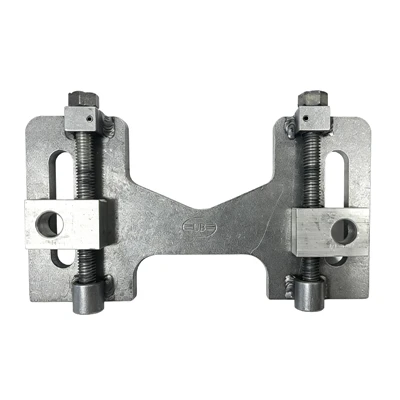
If you’re a mechanic, shop owner, or gearhead with questions about subframe damage, repairs, or parts, don’t hesitate to reach out. We’re here to make sure you get the right part for the job, no guesswork, no nonsense.
Shock Absorber Parts References:
- Automotive Body Repair Technology, James E. Duffy, Delmar Cengage Learning, 2018.
- Aluminum Welding and Fabrication, Andrew Straka, Welding Journal, Vol. 95, No. 12, 2016.
- Subframe Design and Structural Integrity, Society of Automotive Engineers (SAE) International, Technical Paper 2019-01-0572, 2019.
- Rust Mitigation for Chassis Components, National Highway Traffic Safety Administration (NHTSA), Technical Bulletin 18-005, 2018.
Ninghai Zhengda Moulding Co., Ltd.
As one of the most professional subframe parts manufacturers and suppliers in China, we also support customized service. Please feel free to wholesale durable subframe parts in stock here from our factory. Welcome to contact us for pricelist.
Address: No.2088-3, Xuemian North Road, Taoyuan Subdistrict, Ninghai County
E-mail: xgs9425@outlook.com
WebSite: https://www.cn-zhengda.com/
