If you’ve ever dug into how a vending machine delivers a cold soda to your hand without jostling it, or how an automated door glides open just wide enough for you to walk through, you’ve probably got a DC gearmotor quietly doing the heavy lifting in the background. I’m the owner of a small, specialized DC gearmotor supply business, and I get asked this question all the time: “What even are these things, and where do they actually get used?” A lot of people hear “DC gearmotor” and picture some random industrial part that only engineers care about—but the truth is, they’re hidden in way more everyday stuff than you realize. Let’s break down the most common, practical applications I see my gearmotors go into every single day, no stuffy jargon required. DC Gearmotor
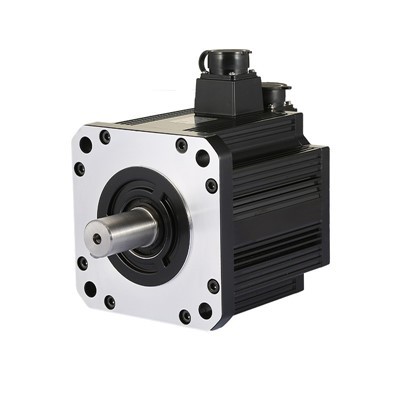
First off, let’s keep it super simple: a DC gearmotor is just a regular DC motor paired with a gearbox. The gearbox’s whole job is to slow down the motor’s fast, high-speed rotation into slower, torque-heavy movement that can actually move something heavy or precise. Without that gearbox, a tiny DC motor would spin way too fast and have nowhere near enough power to do useful work. That’s why they’re the go-to for anything that needs slow, controlled, consistent motion—no matter if it’s a $5 toy or a $50,000 industrial robot.
Let’s start with the space I work with most every week: factory automation. This is where DC gearmotors really shine, and it’s the single biggest category of orders I fill. If you’ve ever watched a manufacturing line where products get sorted, packaged, or moved from one station to the next, 9 times out of 10 that’s run by DC gearmotors. Think about conveyor belts: the ones that carry cereal boxes to be sealed, or car parts to be assembled by robots. Conveyors need to move at a steady, predictable speed—too fast and the boxes will topple, too slow and the line backs up. DC gearmotors let us dial in that exact speed, plus they produce just enough torque to move a long line of heavy items without overheating or burning out.
Then there’s pick-and-place robots, the little machines that grab tiny components like smartphone chips and set them on circuit boards. These robots need precision more than anything, right? They can’t fumble a 1mm chip or place it off by a fraction of a millimeter. DC gearmotors here give that perfect combination of slow, controlled rotation and consistent power. Unlike AC motors that can spike voltage mid-run, DC gearmotors are easy to adjust with simple controls, so robot technicians can tweak them on the fly if a new part comes in that needs a slightly different speed. I’ve shipped gearmotors to small startups making custom consumer electronics, and to big name brands that assemble 10,000 phones a day—both use the same core tech.
Next up, vending machines and point-of-sale systems. I swear, every time I restock a vending machine for a local office, I’m looking at one of my gearmotors. The mechanism that drops a bag of chips or a can of soda into the slot? That’s a small DC gearmotor working. It needs just enough torque to lift a 1-pound bag of chips, but it has to stop exactly at the right time so the product doesn’t get stuck halfway, or drop too hard and spill. The best part? DC gearmotors are cheap and small enough to tuck into a vending machine’s tight casing, and they last for years without needing maintenance. I’ve had customers come back to me saying a gearmotor I sold them ran for 7 years straight before they had to replace it—way longer than the average lifespan of most other vending machine parts.
Don’t sleep on point-of-sale (POS) systems either. The receipt printer that spits out your grocery store or coffee shop receipt? It’s driven by a tiny DC gearmotor. Even the self-checkout machines that bag your groceries have gearmotors that lift the bagging area, scan items, and sort coupons. I’ve actually customized small gearmotors for a local coffee chain that modified their self-serve kiosks—they needed the bag dispenser to open slower so paper bags didn’t tear, and we just adjusted the gear ratio on the motor to get exactly that speed. No big rework, no extra cost for them.
Then there’s the huge category of mobility and accessibility equipment. This one hits different for me, because I know a lot of my gearmotors go into things that help people get around. Power wheelchairs, for example. A standard power wheelchair uses two DC gearmotors—one for each rear wheel. Those motors have to produce enough torque to carry a 200-pound person plus a full backpack over curbs or uneven sidewalks, but they also need to be smooth and quiet enough that the user doesn’t feel jostled. DC gearmotors are perfect here because they deliver instant torque when the user presses the joystick, and they’re reliable enough to work every day for years. I also supply gearmotors for mobility scooters for seniors, and even for electric lift chairs that help people stand up from a couch without straining. Those lift chairs’ motors have to lift hundreds of pounds slowly and steadily, no jerky movements that could make someone lose their balance.
Oh, and don’t forget electric bikes and scooters—personal mobility vehicles that are everywhere now. Many foldable electric scooters use a DC gearmotor in the rear wheel hub, or mounted to the frame, that gives the pedal assist. The gearbox is built right into the motor, so it’s compact enough to keep the scooter light, but it gives the rider enough power to go up small hills. I’ve had a bunch of small e-scooter brands come to me because off-the-shelf motors from big manufacturers are too bulky, and we can customize gear ratios to fit their specific scooter design. It’s a niche, but it’s one that grows every year as more people use e-scooters for commutes.
Another common application? HVAC and building automation. Wait, you might not think of your home’s thermostat or your office’s air vent as using gearmotors, but they do. Automatic dampers in HVAC systems—those little doors that open and close to direct air to different parts of a building—are run by DC gearmotors. The damper has to move just a few inches, and it has to stop exactly open or closed to control airflow. If it’s not, you’d have cold spots in an office or a stuffy bedroom. I also supply gearmotors for automatic window openers, which are super popular for people with allergies or who live in areas with seasonal wildfires—they can set the window to open a tiny bit to let fresh air in, or close all the way if the air quality drops. They’re also used in smart blinds! The motor that rolls your bedroom curtains open in the morning is a tiny DC gearmotor. It’s quiet enough not to wake you up, and slow enough that the curtains don’t jerk when they move. I installed a set of smart blinds in my own house last year, and the motor inside is exactly the kind I sell— I just had to pick the right speed so the curtains take 30 seconds to open, not 10 or a minute, which would annoy me.
Let’s not leave out the automotive industry, even though it’s mostly associated with AC motors these days. A lot of under-the-hood and interior parts use DC gearmotors. Power windows, for one—everyone’s had a power window stop working, and 9 times out of 10, that’s a bad DC gearmotor inside the door. The motor has to lift a heavy glass window up and down a track, and it has to have a torque limiter so if the window hits something, it stops instead of breaking the glass. I also supply gearmotors for electric car side mirrors that adjust automatically, and even for electric parking brakes in some smaller cars. Those brakes need to hold the car still on a hill, so the gearmotor has to produce enough torque to engage the brake caliper tightly, but also disengage smoothly when the driver steps on the gas. It’s a lot of small, precise work, and DC gearmotors are built for that.
Wait, let’s get to some smaller but super common consumer products. Remote control (RC) cars and drones, right? The little motors that move the steering servo on an RC car, or the gimbal that stabilizes a drone’s camera? Those are tiny DC gearmotors. They’re small, light, and powerful enough to move a tiny part without weighing the drone down. I’ve also had orders from hobbyists who build custom RC boats—they need a gearmotor to turn the propeller, and they’ll come to me because our gear ratios are more customizable than what you get at a regular hobby store. Even home appliances: washing machine agitators, dryer drum drives, espresso machine pumps? A lot of those use small DC gearmotors instead of bigger, less efficient motors. The espresso machine needs to pump water at a consistent pressure, and the gearmotor lets that happen without wasting energy.
I could go on for hours about all the places DC gearmotors show up, but the big takeaway is this: they’re not just for big industrial machines. They’re the quiet, unassuming workhorses that make everyday life a little easier, a little more convenient, and a little more reliable. If you’re designing a product that needs slow, controlled, consistent motion—whether it’s a vending machine, a wheelchair, smart blinds, or a custom robot—chances are a DC gearmotor is going to be the best fit.
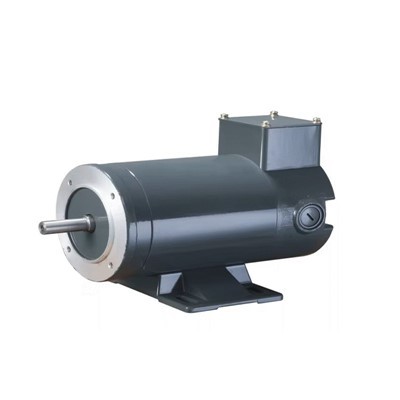
If you’re on the hunt for a reliable supplier who can help you pick the right gearmotor, customize ratios or specs to fit your project, and deliver it fast without the huge markup of big brand manufacturers, get in touch with me. I’ve worked with small startups and large corporations alike, so I can scale to whatever your needs are, no matter how big or small.
DC Motor References
- Bolton, W. (2015). Electrical Machines and Drives. Pearson Education.
- “DC Gear Motors: Applications and Selection Guide.” Applied Motion Products, 2023.
- “Mobility Aid Motor Technology.” World Health Organization, 2022.
- “Industrial Automation Components: DC Gearmotors.” Automation Fair Proceedings, 2021.
- “Smart Home Device Motors: Design and Performance.” IEEE Consumer Electronics Magazine, 2022.
Zibo Auric Mechanical and Electrical Technology Co., Ltd.
As one of the leading dc gearmotor manufacturers and suppliers in China, we warmly welcome you to buy advanced dc gearmotor for sale here from our factory. All customized motors are with high quality and competitive price.
Address: B419, High-tech Entrepreneurship Park, High-tech Zone, Zibo City
E-mail: cui@auricmotor.com
WebSite: https://www.auricmotor.com/
