Hey everyone, it’s Mike from the graphite electrode team here. Lately I’ve been getting so many questions from new clients—most of them boil down to one super basic (but surprisingly tricky) number: what’s the actual moisture content in graphite electrodes? I totally get why this is bugging you. If you’re buying these things for steel making or other high-heat processes, a tiny moisture off-kilter can throw your whole production line off. I’ve seen guys mess up kiln runs because they skipped checking this, so let’s break this down like we’re chatting over a coffee (no stuffy lab jargon, promise). Graphite Electrode
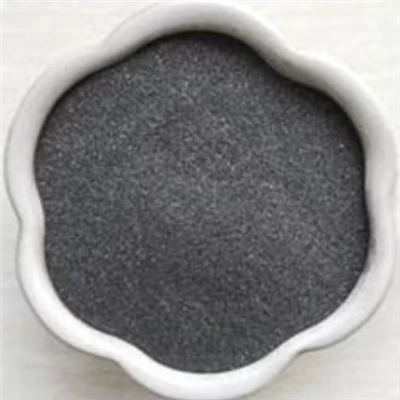
First, let’s get one thing straight: graphite electrodes aren’t just plain pencil lead. Wait, yeah, they’re made from graphite, but they’re baked and processed super differently, right? The moisture content here isn’t like the wet dirt you wipe off your shoes, either. There’s two types we actually care about here—free moisture and bound moisture. Free moisture’s the stuff sitting on the surface or in tiny little pores, easy enough to dry out if you leave them in a warm spot for a day. Bound moisture is way sneakier; it’s actually stuck to the molecular structure of the carbon during manufacturing, and that only comes out when you heat them up really hot. Most suppliers (including us, fwiw) test for total moisture, which is both, because that’s what matters for your line.
Now, what’s the actual number we’re working with here? I know you’re tired of “it depends” answers, but stick with me—this one’s specific to standard graphite electrodes. For most regular grade graphite electrodes (the ones used in electric arc furnaces for steel), the typical moisture content is between 0.1% and 0.5% by weight. Wait, that seems tiny, right? But that’s not nothing. If you’re running a 5-ton arc furnace and using 10 electrodes (each weighing like a ton), 0.5% moisture adds up to 25 kg of water turning to steam in seconds when you crank that heat up. Steam in the furnace messes with the arc stability, can cause little explosions or spatter, and even makes your electrode wear faster—something none of us want when we’re already dealing with raw material prices being all over the place.
But wait, that range isn’t random. It depends on a bunch of stuff. First, what grade electrode are we talking about? High-purity graphite electrodes, like the ones we make for special alloy steel or rare metal processing, have even lower moisture—usually under 0.1%. Because those are used for super precise processes, so even a little steam can contaminate the metal you’re making. On the flip side, lower-grade graphite electrodes (for things like ferroalloys or smaller furnaces) can be up to 0.7%, but we only do that when a client specifically asks for it, because we know that extra moisture will cause issues for most people.
Then there’s how they’re stored. I’ve seen way too many clients get electrodes delivered, leave them outside in the rain for a week, and then call us panicking because their moisture is at 2% or more. That’s not the electrode’s fault—rainwater seeped into the porous structure, and those big droplets aren’t supposed to be there. Graphite electrodes are porous by design, so storing them in a dry, covered area is non-negotiable. I once had a client who stacked their electrodes under a leaky roof, and when they tested, half had moisture levels at 1.2%. They had to dry them for 72 hours in a temperature-controlled oven before they could use them—cost them a whole week of production. Lesson learned, right?
Also, manufacturing process plays a huge role here. When we make our electrodes, we bake them at like 1,000°C first, then graphitize them at 3,000°C. That high-heat step is what burns off almost all the moisture from the bound stuff. Then we cool them in a controlled, dry atmosphere so they don’t absorb humidity from the air on the way back down to room temp. If we skipped the post-graphitization cooling process, or if our ovens have any leaks, that moisture number creeps up. I can tell you, we test every batch before shipment—random samples pulled right off the production line, tested with a Karl Fischer titrator (yeah, that’s the fancy lab tool, but it just measures water content super accurately) to make sure it’s in that 0.1-0.5% sweet spot for regular grades.
Now, let’s talk about why this matters for you, the buyer. Let’s say you’re running an EAF (electric arc furnace) making carbon steel. If your electrode has 0.8% moisture, that 25 kg of steam I mentioned earlier? It doesn’t just disappear. The arc has to work extra hard to turn that water to gas, so your energy consumption goes up by like 3-5%. That might not sound like a lot, but over a month of 24/7 production, that’s thousands of dollars in extra electric bills. Plus, the steam can erode the electrode tip faster, so you go through electrodes 10-15% quicker. And if you’re making special steel where purity is key, that hydrogen and oxygen from the moisture can get trapped in the metal, making it brittle. I had a aerospace metal client a couple years back who rejected a whole batch of metal because of moisture contamination from a bad electrode supply—cost them way more than just the price of the electrodes.
Wait, but what if you’re buying electrodes for something else? Like, maybe for a foundry using a different type of furnace? The same rule applies, but the tolerance might be a tiny bit higher. For example, some smaller induction furnaces that run at lower temps can handle up to 1% moisture, but that’s the max. We always adjust our specs based on what you’re using the electrodes for—we never just send out a one-size-fits-all batch, because that’s how you get unhappy customers.
I know some of you might be thinking, “Can I just dry the electrodes myself if they’re a little too moist?” Yeah, but it’s not as easy as sticking them in your backyard grill. You have to heat them slowly, like 100°C for 24 hours, then ramp up to 200°C for another 48. If you crank the heat too fast, the moisture turns to steam too quick and cracks the electrode—something called thermal shock. A cracked electrode is useless, because it’ll break mid-furnace run and cause a ton of downtime. We’d rather ship them dry in the first place than have you go through that hassle.
Let me clear up a common myth I hear all the time: people think graphite electrodes have no moisture because they’re “baked to high heat.” But even after baking, they’re porous, so they can absorb ambient moisture from storage or transport. That’s why we wrap our electrodes in air-tight plastic with desiccant packets before we ship them—those little bags that soak up extra humidity. It’s a small step, but it keeps our moisture levels exactly where you need them. I’ve had clients test our delivered electrodes 2 weeks after delivery, and they’re still right around 0.3%—that’s how we do it right.
Another thing: when you test moisture content yourself, make sure you do it correctly. A lot of guys just take a piece of the surface and rub it with a moisture meter, but that only measures free moisture. You have to grind up a sample of the electrode (from inside, not just the surface) to get the total moisture. If you skip the grinding step, you’ll get a way lower number than actual, and that’s when you get surprised when it’s higher under heat. We test our samples ground up, and we tell all our clients how to test their own correctly too—because we want you to trust what we send you.
So to wrap this up, the short answer to “what’s the moisture content of graphite electrodes?” is: for standard industrial grades, 0.1% to 0.5% by weight, with high-purity grades under 0.1% and lower specialty grades up to 0.7%. But it’s not just the number—its how that number gets there, how you store the electrodes, and how you test them that matters. At the end of the day, this number isn’t just a random spec on a sheet—it’s tied to your production costs, product quality, and downtime.
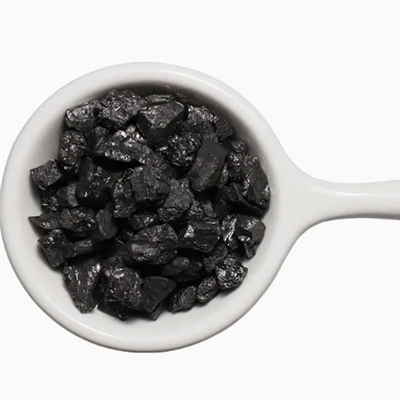
If you’re in the market for graphite electrodes, or you’re having issues with moisture causing problems in your process, hit us up to chat. We don’t do generic sales pitches—we’ll walk through what you need, test for you if you want, and make sure you get exactly the right electrodes for your furnace and product. No weird fine print, no hidden fees, just straightforward advice and reliable product.
Graphitized Petroleum Coke References:
- "Graphite Electrodes: Manufacturing, Properties, and Applications", Carbon, Volume 158, 2020, Pages 712-728
- "Moisture Effects on Carbon-Based Electrode Performance in High-Temperature Furnaces", Journal of Industrial Chemistry, Volume 28, Issue 3, 2019, Pages 415-422
- "Storage and Handling Guidelines for Graphite Electrodes in Steel Production", Steel Technology International Annual Proceedings, 2021, Pages 189-195
Hebei Fengchao Import and Export Co., Ltd.
Hebei Fengchao Import and Export Co., Ltd. is one of the most professional graphite electrode manufacturers and suppliers in China. As we have world-leading production equipment and strong manufacturing capabilities, we warmly welcome you to wholesale bulk premium graphite electrode made in China here from our factory. Also, quotation is available.
Address: Yigao Intelligent Plaza, Building A, Congtai District, Handan City, Hebei Province, China
E-mail: China@fc-graphite.com
WebSite: https://www.fc-graphite.com/
