If you’ve ever wandered around a farmers market, you know the drill: your hands get full with a dozen peaches, a bunch of basil, and a loaf of crusty bread, and suddenly that thin plastic bag you grabbed at the entrance tears, leaving produce rolling on the concrete. I run a small canvas bag supply company, and I get asked this question all the time: Are canvas bags actually good for farmers markets? Spoiler alert: yeah, they’re not just a trend. Let’s break this down like we’re chatting over a coffee at a market stand—no stuffy jargon, just real talk. Canvas Bag

First, let’s get the basics out of the way: farmers markets are already a huge win for local farmers. When you shop there, you’re not paying a big corporation’s middleman markup—you’re giving that money directly to the person who grew or made your food. But those thin single-use plastic or paper bags we usually grab? Paper falls apart when it’s damp (say, if you grab a cucumber that’s still dewy from the garden), and plastic is a landfill nightmare that takes hundreds of years to break down. Canvas bags change that. Let’s talk durability first. I make canvas bags from heavyweight cotton, the kind that’s thick enough to hold 10 pounds of apples plus a jar of honey without stretching at the handles. A lot of my regular customers—farmers market vendors who buy bulk from me—tell me one good canvas bag lasts them an entire season of markets, maybe even a couple if they take care of it. Compare that to plastic bags, which tear after one use, or paper, which might not make it home with a head of lettuce. That’s not just convenient—it’s cuts down on waste. The Environmental Protection Agency (EPA) has data that single-use plastics make up 13% of all municipal solid waste, and a big chunk of that ends up in landfills, or worse, littering market grounds. Canvas bags cut that waste way down, especially at markets where thousands of people shop every weekend.
Wait, but what about the “environmental cost” of making a canvas bag in the first place? I hear that a lot too, from people who think it’s hypocritical to switch from a disposable item to a durable one. Let’s be honest here: no product is 100% perfect. But studies from the University of California, Santa Barbara, looked at the lifecycle of reusable bags, and found that a single cotton canvas bag only needs to be used about 13 times to offset the carbon and water used to make it. If you’re bringing it to every farmers market for six months? That’s like 20 or 30 uses—way more than the 13 it needs. Even better, canvas is biodegradable if you ever do replace it, unlike plastic, which just sits in a landfill forever. And if you’re buying a bag from a local supplier like me, instead of a big overseas factory, you’re cutting down on transportation emissions too—no shipping a bag from across the world to your market, just a quick drive to pick up a bulk order. That’s a win for both the environment and local businesses.
Now, let’s talk about why canvas bags make sense for both shoppers and vendors at farmers markets, not just the planet. For shoppers, it’s easy: you don’t have to scramble at the last minute to grab a plastic bag. I’ve seen people at markets leave their bags in the car all week, then rush back to grab them on market day, instead of ending up with a pile of crumpled plastic by the end of the day. Canvas bags are also way more comfortable to carry—you can fit more, and the handles don’t dig into your hands like flimsy plastic ties. For vendors, it’s a game-changer. When a customer hands over a canvas bag, you don’t have to waste time digging through a stack of plastic, counting out how many you need, or dealing with torn bags. I’ve had a couple of vegetable stand regulars tell me they stopped offering plastic bags entirely last year, just because so many people bring their own canvas bags now. That cuts down on their supply costs too—they don’t have to buy bags every month, which adds up. And let’s be real: canvas bags are a walking advertisement. If your bag has a cute design (like a print of sunflowers or “Local First” on it), other shoppers will ask where you got it. That’s free exposure for the vendor they bought their produce from, and for my business too—one of my best bulk customers is a market in Portland where vendors started passing out branded canvas bags to their regulars.
Wait, but is there a catch here? I’m not gonna sugarcoat it—canvas bags aren’t for everyone, and there are a few things to think about. First, if you’re a shopper who only goes to the farmers market once a month, a single canvas bag might be overkill. You could just grab a paper bag that day, or use a reusable tote you already have from the grocery store. But if you’re a weekly market regular? Canvas is way better. Another catch: canvas does need a quick wash every once in a while, especially if you put damp produce in it. You wouldn’t want a bag that held last week’s tomatoes touching this week’s berries. But that’s super easy—just toss it in the washing machine on a gentle cycle, let it air dry, and it’s good as new. No fancy cleaning, no extra work. And for vendors, if you buy bulk canvas bags, you can pick them in colors that match your stand (bright green for a vegetable stand, warm brown for a bakery) so customers can grab their own, or you can have your stand’s logo printed on them for a small cost. That’s a nice touch that keeps people coming back.
Let’s also talk about the community vibe at farmers markets, because that’s a big part of why people go. Farmers markets aren’t just places to buy food—they’re where you run into neighbors, chat with the farmer who grew your corn, and support people in your own town. Canvas bags fit right into that. When you show up with a canvas bag, you’re saying, “I care about this space, and I care about what’s good for the people who make my food.” It’s a small gesture, but it adds up. I remember last summer, a group of local market volunteers reached out to me to donate 50 canvas bags to give to new shoppers who forgot theirs. They said it was one of the best things they did that year—people loved that they didn’t have to use plastic, and it made new vendors feel supported. That’s the kind of thing that makes a farmers market feel like more than just a market.
Now, as someone who supplies these bags, I’m not gonna push anyone to buy more than they need. But let’s do the math: if you’re a regular at a farmers market, one canvas bag is all you really need. You can grab a few different ones if you want—one for produce, one for bread, one for flowers—but you don’t need a whole closet full. And bulk orders for vendors? They’re cost-effective, last for years, and help cut down on the waste that markets struggle with. I’ve seen a lot of markets actually start encouraging reusable bags lately—some even offer a small discount if you bring your own. Canvas bags fit right into that initiative.
Wait, let’s go back to that UCSB study I mentioned earlier, because it’s not just me saying this. That study found that cotton canvas bags have a lower lifecycle impact than plastic bags, even when you account for the water and energy used to make them. Plastic bags, on the other hand, need to be reused up to 10 times just to match the environmental impact of one canvas bag. Most people don’t reuse plastic bags 10 times—they throw them away after one use. So that’s a huge difference. And since farmers markets are all about sustainability and supporting local, it makes total sense that canvas bags align with that mission.
I also want to address a common complaint: “Canvas bags are too big, they take up space.” Yeah, if you have a big tote for groceries, that’s one thing, but the canvas bags I supply are the perfect size for a farmers market—they’re not too bulky, they fold up small in your purse or pocket when you’re not using them. I’ve had customers say they keep a folded canvas bag in their jacket all week, just in case they stop by the market on Saturday. It’s not a hassle, that’s the point.
Another thing: farmers often use a lot of plastic packaging to keep produce fresh, right? But if you put your berries in a canvas bag, you don’t need that extra plastic clamshell. Vendors have told me that when customers bring their own canvas bags, they skip the clamshell, which saves them money and cuts down on waste. It’s a two-way win. I’ve even worked with a few small farms to make custom canvas bags with their logo, so when a customer buys a dozen eggs, they can put them right into the branded bag instead of a plastic carton. That’s a nice touch that makes the purchase feel more special, too.
Now, let’s be real—there are other reusable bags out there, like nylon or polyester. But canvas stands out because it’s durable, natural, and feels more timeless. A nylon bag might tear after a year, but a canvas bag can last 5+ years if you take care of it. And since it’s made from cotton, it’s biodegradable—if you ever do get a hole in a bag, you can compost it, not throw it in the trash. That’s a big plus for people who care about their environmental footprint.
So to circle back: are canvas bags good for farmers markets? Short answer: absolutely. They cut down on waste, save shoppers and vendors time and money, fit right into the community vibe of markets, and align with the whole point of supporting local farmers. The small caveats (needing to wash them, not being perfect for one-time shoppers) are tiny compared to the benefits. If you’re a shopper, grab one (or a few) next time you’re at the market—you’ll be glad you did. If you’re a vendor, bulk canvas bags are a no-brainer.
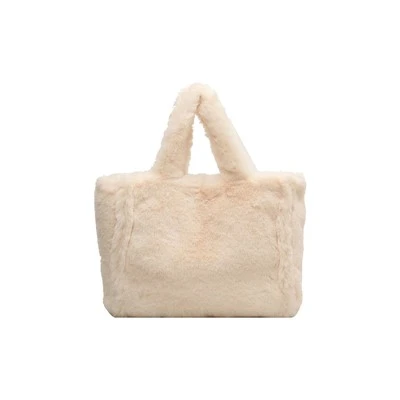
If you’re a market organizer, a vendor looking to restock, or just someone who wants to add a couple canvas bags to your collection, I’m here to help. We can chat about sizes, colors, bulk pricing, even custom prints if you want to add a market or farm logo. No hard sells, just honest talk about what works for your needs. If you’re interested in learning more or placing an order, reach out anytime.
Tote Bag References
- U.S. Environmental Protection Agency (EPA). (2022). Municipal Solid Waste Generation, Recycling, and Disposal in the United States: Facts and Figures for 2021.
- Ralph, P., & Kim, H. (2009). Lifecycle Assessment of Reusable Grocery Bags: A Comparison of Cotton and Polypropylene Bags. University of California, Santa Barbara, Environmental Studies Program.
- National Sustainable Agriculture Coalition (NSAC). (2021). Farmers Markets and Local Food Systems: Economic and Environmental Benefits for Rural and Urban Communities.
Wenzhou Yanfan Luggage Co., Ltd.
With abundant experience, we are one of the most professional canvas bag manufacturers and suppliers in China. Please feel free to wholesale bulk high quality canvas bag in stock here and get free sample from our factory. We also accept customized orders.
Address: 3rd Floor, Unit 1, Building 6, Xiaowei Wanchuang Park, Jiaoyang Industrial Zone, Luoyang Town, Taishun County, Wenzhou City, Zhejiang Province.
E-mail: cnyanfan@163.com
WebSite: https://www.cnyanfan.com/
