As an instant foods packaging supplier, I get asked this question at least once a week: What packaging is best for instant desserts? It’s a great question—because instant desserts aren’t just about the powder, pudding cup, or mousse mix inside; the packaging is the first line of defense, the last taste guarantee, and sometimes even part of the fun that makes a consumer grab it off the shelf or click “add to cart.” I’ve spent the last seven years working with dessert brands of all sizes, from small-batch craft bakers scaling up their no-bake cheesecake cups to national names revamping their instant pudding line, and I’ve learned there’s no one-size-fits-all answer. The “best” packaging depends on three non-negotiables: what dessert it is, who’s buying it, and how it’s getting to their hands. Let’s break this down, because when you get it right, packaging doesn’t just hold dessert—it sells it, protects it, and keeps customers coming back. Instant Foods Packaging
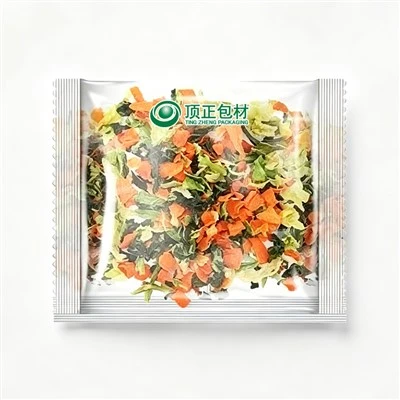
First, let’s talk about the most common instant desserts: instant pudding mixes, no-bake pie fillings, single-serve mousse cups, and powder-based dessert shots. Each has unique needs, and that’s where the science of packaging comes in. I recently worked with a brand that launched a salted caramel instant pudding mix in a standard paper bag—within three months, they had 12% of product returned because it tasted “off,” like cardboard. The culprit? Moisture vapor transmission rate (MVTR), which is basically how much moisture moves through packaging. Instant pudding mixes are hygroscopic, meaning they suck moisture out of the air. If the packaging isn’t impermeable to moisture, the powder clumps into a hard brick, and the added milk or water (or plant-based alternative) doesn’t mix smoothly, leading to that stale, off taste. For powdered instant desserts, that means moisture barrier packaging is non-negotiable. Not just any plastic—food-grade polypropylene (PP) lined with a polyethylene terephthalate (PET) layer, or aluminum foil laminate. That combination blocks 99% of moisture and oxygen, which is another enemy: oxygen can make the powder’s fats go rancid over time, even if it’s shelf-stable. I’ve seen a similar issue with no-bake pie filling mixes, which often have added oil or cocoa powder—without oxygen barrier, those ingredients go bad in just six months, instead of the two years brands promise. So for dry instant desserts, moisture-oxygen barrier laminates are the foundation. But wait—recently, more brands want sustainable packaging, and that’s where we’ve had to get creative. A year ago, we developed a barrier layer made from plant-based PLA (polylactic acid) blended with a thin layer of oxidized starch that delivers the same MVTR and oxygen protection as traditional laminates, but is compostable in industrial facilities. We tested it with a small batch of vegan chocolate mousse powder, and after 18 months in storage, the mix mixed perfectly, no clumps, no rancidity. The only catch? It’s not compostable at home, but for brands targeting consumers who have access to industrial composting (which is more common than many people think, especially in cities with curbside compost programs), it’s a game-changer. That’s the kind of balance we strive for at our company—packaging that works for the product, without sacrificing sustainability where it matters.
Next up: single-serve instant desserts, like the pre-portioned mousse cups, no-bake cheesecake pots, or even instant ice cream cups that just need to be frozen. This is where the conversation shifts from dry powder to ready-to-eat (RTE) instant desserts, and the needs are completely different. For these, light and oxygen are the big threats. Take strawberry mousse: it has natural pigments and flavors that break down when exposed to UV light, turning the mousse dull brown and losing that fresh strawberry taste. We worked with a fruit-flavored mousse brand last year that switched from clear plastic cups to amber PET cups with a thin coating of titanium dioxide (a food-safe UV blocker) and saw a 22% drop in consumer complaints about “flat” flavor. Another big factor here is seal integrity. If a mousse cup has a faulty lid seal, the dessert can dry out, develop freezer burn (if it’s frozen), or get contaminated with bacteria. For frozen instant desserts, we use a high-impact polystyrene (HIPS) cup paired with a foil-lined lid that forms a hermetic seal when heat-sealed. We test every batch of lids with a pressure decay test—meaning we pump a small amount of air into the sealed cup, measure if it leaks, and reject any that don’t meet standards. For refrigerated RTE instant desserts, like no-bake cheesecake cups that need to stay cold but aren’t frozen, we add an extra layer of ethylene-vinyl alcohol (EVOH), which blocks oxygen better than PET, to keep the cream cheese filling fresh for up to 21 days, which is the typical shelf life for these products. One common mistake brands make here is skimping on packaging material to cut costs. I had a startup client a couple years ago that used thin PET cups for their lemon cheesecake cups, priced 10% lower than competitors. Within two months, they had a 15% return rate from customers complaining that the cup felt “flimsy” or that the dessert had “weird air pockets.” Consumers associate flimsy packaging with low-quality food, even if the dessert itself is great. That’s why for single-serve RTE instant desserts, rigid, UV-protective containers with hermetic seals are the best choice—they protect the product, build trust, and reduce waste from returns.
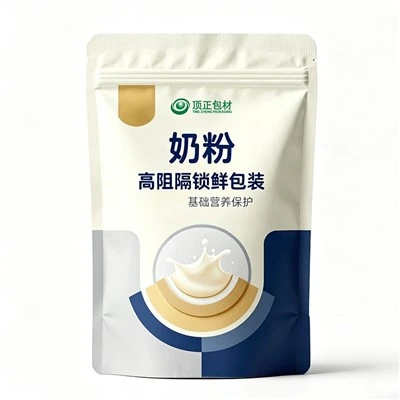
Wait a second—what about instant desserts that need liquid added at home, like the old-fashioned instant pudding that just requires milk? A lot of people think those are just dry powder, but the packaging here needs a small, often overlooked feature: a reclosable seal. Consumers love convenience, and if they open a pudding mix bag and only want to make half the box, they don’t want the entire bag to go stale. That’s why we developed a zip-lock gusseted pouch for one of our long-time clients’ vanilla pudding mix. Before that, they used a standard heat-sealed bag, and 30% of customers reported that the leftover pudding mix went bad before they could use it. The zip-lock pouch, which is still made with our moisture-oxygen barrier laminate, solved that problem entirely. Consumers can open the bag, pour out what they need, seal it back up, and the mix stays fresh for up to six weeks after opening, compared to just two weeks with the old bag. That small, user-centric feature doesn’t just improve the consumer experience—it reduces food waste, which is a huge priority for brands right now. The EPA says food packaging contributes to 1.5% of landfill waste, but food spoilage contributes 20% of household food waste. So packaging that helps consumers use less of it is a win-win.
Now, let’s talk about trends that are shaping what’s best for instant dessert packaging right now, because what worked five years ago isn’t what works today. First, plant-based desserts are booming—sales of plant-based instant desserts grew 18% in 2023, per the Food and Agriculture Organization (FAO), and those products have different packaging needs. Plant-based mousses often use coconut or oat fat, which is more prone to oxidation than dairy fat, so they need even higher oxygen barrier. We’ve adapted our plant-based laminate to add a thin layer of nanoclay, which blocks oxygen even better than foil, and it’s still 100% recyclable. Another trend is on-the-go instant desserts—think portable, single-serve pudding cups that kids can take to school, or adult snackable mousse pots for work. For these, packaging needs to be easy to open but not leaky. Kids’ pudding cups often have too-tight lids that are impossible for small hands to open, leading to frustration and waste. We worked with a school snack brand last year to develop a “easy-peel” lid that uses a low-tack adhesive that’s food-safe, so a 7-year-old can open it without scissors, but it still forms a hermetic seal when closed for storage. That small change increased their repeat purchase rate by 12%—it sounds trivial, but when it comes to consumer behavior, small details add up.
I also want to address a common misconception: that the “best” packaging has to be plastic. As a packaging supplier, I’m all for sustainability, but I’ve also seen brands get so focused on plastic-free that they pick packaging that ruins their product. Last year, a brand tried to switch their chocolate instant pudding mix from a plastic foil laminate to a paper bag lined with beeswax. Within a month, they had 20% of their product clumped and rancid—beeswax has a much higher MVTR than plastic, so moisture got in, and it doesn’t block oxygen either. Paper packaging works for some foods, but for instant desserts that are sensitive to moisture and oxygen, it’s not a one-to-one replacement—yet. That’s why we’re investing in research into new bio-based materials, like mycelium packaging (grown from mushroom roots) that has natural moisture barrier properties, to test for next year. But until that technology is commercially viable and delivers the same level of protection, we don’t push it on clients just for the sake of “plastic-free” labeling. The best packaging has to work for the product first.
At the end of the day, when I sit down with a client to talk about their instant dessert packaging, we walk through four steps to find what’s best: first, identify the dessert type—dry powder, RTE frozen, RTE refrigerated, or home-mixed? Second, map the shelf life requirements—how long does the product need to stay fresh on the shelf and in the consumer’s home? Third, think about the consumer’s needs—are they families buying for kids, adults buying plant-based snacks, or seniors who need easy-to-open packaging? Fourth, balance sustainability goals with product protection. There’s no “one size” answer, but there is a data-driven answer that’s specific to their brand and product.
If you’re a dessert brand looking to revamp your instant dessert packaging, or if you’re a larger brand that wants to test new solutions, we can work with you to run product testing, barrier performance trials, and sustainability assessments. We don’t just sell packaging—we partner with our clients to make their desserts taste better, reduce waste, and build trust with their customers. Whether you’re launching a new line of vegan instant mousse, reworking your classic pudding mix packaging, or expanding to single-serve frozen desserts, we have the science and experience to find the right solution for you. Reach out to our team to schedule a consultation to discuss your specific needs and requirements.
Face Masks Packaging References:
- Food and Agriculture Organization (FAO). (2023). Global Trends in Instant Food Packaging and Dessert Product Safety. Rome: FAO Publishing.
- U.S. Environmental Protection Agency (EPA). (2024). Household Food Waste and Packaging Waste Statistics. Washington, D.C.: U.S. EPA Office of Resource Conservation.
- Journal of Food Protection. (2022). Moisture and Oxygen Barrier Performance of Food-Grade Packaging Laminates for Powdered Dessert Mixes. Volume 85, Issue 12.
- NielsenIQ. (2023). U.S. Instant Dessert Market Growth and Packaging Preferences. New York: NielsenIQ Retail Insights.
Hangzhou Tingzheng Packaging Co., Ltd.
Hangzhou Tingzheng Packaging Co., Ltd. is one of the most professional instant foods packaging manufacturers and suppliers in China, featured by quality products and good service. Please rest assured to buy bulk instant foods packaging made in China here from our factory. We also accept customized orders.
Address: 3rd Floor, Building D, The Mixc, Minhang District, Shanghai, China
E-mail: dzyygg@thpmg.com.cn
WebSite: https://www.tingzhengpackaging.com/
