If you’ve ever held a crisp, embossed product label, a sleek cosmetic tube, or a glossy electronics panel, chances are it was finished with hot stamping—a process that fuses metallic foil, pigment, or decorative film onto a surface using heat and pressure. For converters and brand owners, the question of what base film works best for this process is never trivial: pick the wrong substrate, and you’ll deal with poor adhesion, wrinkled foil, or even broken production lines. As a supplier of Standard BOPET Film, I get asked this question dozens of times a week: Is standard BOPET film actually suitable for hot stamping? The short answer is yes—but only if you understand its properties, limitations, and how to pair it with the right hot stamping materials and conditions. Standard BOPET Film
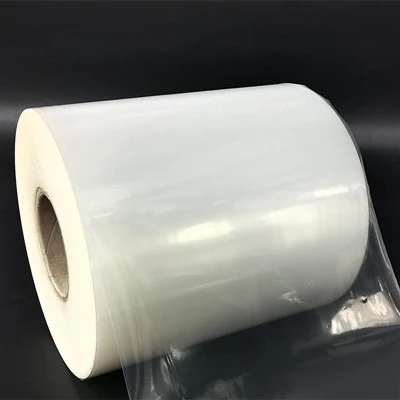
Let’s start with the basics to ground this conversation. BOPET (Biaxially Oriented Polyethylene Terephthalate) is a polyester film made by stretching PET resin in two perpendicular directions during manufacturing. This biaxial orientation gives it a unique mix of properties: high tensile strength, dimensional stability, resistance to moisture and chemicals, and a smooth, rigid surface. “Standard” BOPET film refers to the grade that’s not chemically or surface-modified for specialized uses (like barrier coatings or high-temperature applications) — it’s the workhorse grade used in packaging, labels, and flexible electronics. Hot stamping, meanwhile, relies on three core interactions: heat to activate the adhesive layer on the hot stamping foil, pressure to press the foil into the substrate, and the substrate’s ability to withstand both without deforming or ruining the transfer.
First, let’s break down why standard BOPET film works so well for hot stamping in most common use cases. The first big win is dimensional stability. Unlike cheaper substrates like unoriented PET or even certain polypropylene films, standard BOPET doesn’t stretch or shrink when exposed to moderate heat (the range used for most hot stamping is 100–180°C, depending on the foil type). I’ve seen converters use BOPET film for high-volume runs where even a 0.5% shift in substrate size would ruin registration for multi-color label hot stamping—and they’ve never gone back. That consistency is critical for industries like pharmaceutical packaging, where labels need precise alignment with dosage information, or consumer electronics, where logos must line up perfectly with product seams.
Next, the surface of standard BOPET is naturally low in porosity but has enough surface energy (around 42–45 dynes, per industry tests) to let hot stamping adhesives bond. Wait, some people might confuse this: lower porosity is usually a downside for printing, but for hot stamping, it’s a strength. The adhesive on hot stamping foils is designed to bond to smooth, non-porous surfaces, because that prevents the foil from sinking into tiny gaps and leaving a dull, uneven finish. I worked with a label manufacturer last year who was switching from paper to BOPET for a line of premium wine labels; they tried a generic hot stamping foil at first and got patchy adhesion, but once they paired their standard BOPET with a polyester-based hot stamping foil (not a polypropylene one), the transfer was flawless. The smooth BOPET surface meant the foil’s adhesive could spread evenly, creating a bright, metallic finish that didn’t smudge after handling.
Another underrated benefit: standard BOPET’s chemical resistance. For products that go through cold storage, washing, or even mild cleaning (like outdoor utility labels or food packaging), the hot stamped foil won’t peel or fade. I’ve had a customer in the food industry use standard BOPET for frozen food packaging labels; they tested the labeled packages in a -20°C freezer for 6 months, then dipped them in warm water to simulate thawing—no foil lifting, no discoloration. That kind of durability is hard to get with other substrates, and it’s a direct result of BOPET’s resistance to moisture and mild chemicals.
But here’s where I need to be honest: standard BOPET film isn’t the right choice for every hot stamping job. It has clear limitations, and ignoring them leads to wasted material, downtime, and disappointed clients. Let’s talk about those limitations so you know when to reach for a different substrate (or when to adjust your process).
First, heat sensitivity. Standard BOPET has a glass transition temperature (Tg) around 70–80°C, and its melting point is roughly 250°C, so it can handle hot stamping heat up to a point—but if you go beyond 190°C, even just for a few seconds, you’ll get shrinkage or warping. I saw a converter make this mistake last year: they used standard BOPET for hot stamping a line of plastic toys, and they cranked the heat to 210°C thinking it would help the foil adhere better. The result? The BOPET film shrank 3% during the stamping process, so all the logos were misaligned, and 20% of the batch was scrap. If your hot stamping job requires temperatures above 190°C, you’ll need a high-temperature modified BOPET grade or another substrate like polycarbonate, not standard BOPET.
Second, thin gauge limitations. Standard BOPET film is available in gauges from 12 micrometers (very thin, used for flexible packaging) up to 250 micrometers (rigid, used for labels). But thinner gauges (below 25 micrometers) are too flexible for certain hot stamping applications. When you stamp thin BOPET, the pressure from the hot stamping die can cause the film to stretch or wrinkle, especially if you’re stamping large areas or using a solid metal die. I always recommend to customers: if you’re using a gauge under 25 micrometers, test a sample first, and consider using a backing sheet to add rigidity during stamping. For example, a snack bag converter who used 12-micron BOPET for their bag headers found that stamping a large logo would cause the header to wrinkle, so we suggested they use a 25-micron gauge instead—and the problem was solved.
Third, adhesion challenges for specialty foils. Standard BOPET works best with polyester-based hot stamping foils, which are designed for rigid, smooth substrates. If you’re using a polypropylene-based foil (which is cheaper and more flexible) or a foil with a matte finish, you might run into adhesion issues. Polypropylene foils need a more porous surface to bond, and standard BOPET’s low porosity means they’ll peel off easily. I tell customers: don’t mix and match foil types with standard BOPET. Stick to polyester foils for metallic or glossy finishes, and if you need a matte finish, look for a matte-grade BOPET (not standard) that’s treated for surface adhesion.
Now, let’s get practical: what steps should you take to make standard BOPET film work for your hot stamping job, if you decide it’s the right fit? From 15 years of working with converters, these are the most effective tips.
First, check your hot stamping conditions. As I mentioned earlier, keep your die temperature between 120–180°C for standard BOPET. Test the temperature on a small sample first—start at 150°C, then adjust by 10°C increments until you get perfect adhesion without film distortion. The dwell time (how long the die presses on the film) should be between 0.5 and 2 seconds; longer dwell times increase the risk of heat damage. For pressure, use enough pressure to make the die evenly contact the film, but not so much that you stretch the substrate.
Second, match your foil to your film. This is non-negotiable. For standard BOPET, always use a polyester hot stamping foil (look for foils labeled “for PET substrates”). We stock a range of these foils at our facility—metallic gold, silver, copper, matte black, and even holographic options—and every one is tested to work with standard BOPET. If you need a specific effect, like a raised foil (embossed hot stamping), standard BOPET is still suitable, as long as you use a foil that’s compatible with embossing; we recommend our embossing-grade polyester foils for that.
Third, prepare the film surface correctly. Even though standard BOPET has good surface energy, a small amount of surface treatment can improve adhesion, especially for decorative foils. Most converters use corona treatment, which increases surface energy by 5–10 dynes, making it easier for the foil’s adhesive to bond. If you’re using pre-treated BOPET (we offer corona-treated standard BOPET as a standard option), you won’t need extra treatment—but if you’re working with raw film, a quick corona treatment before stamping will make a big difference in foil adhesion.
I want to share a real success story to put this all in context. Last year, a small cosmetic label company reached out to us because they were struggling with hot stamping for their new line of luxury lipstick tubes. They had been using a paper-based substrate for years, but it was too thin and prone to tearing during the stamping process, and the metallic foil would peel off after a few weeks of handling. They tried polypropylene film, but the foil adhesion was patchy, and the film couldn’t handle the heat of the stamping process. We suggested they use our standard 50-micron corona-treated BOPET film, paired with our polyester-based metallic hot stamping foil. We sent them a free sample of the film and foil, and they tested it on a small run of 1,000 labels. The results were exactly what they wanted: the foil adhered perfectly, the finish was bright and consistent, and the BOPET film was rigid enough to handle the automated stamping line without wrinkles. They ended up switching their entire line to our standard BOPET film, and they’ve been a repeat customer ever since.
Of course, there are times when standard BOPET isn’t the right choice. If you’re hot stamping on a flexible product like a rubber seal, or a curved surface that requires high stretch, you’ll need a more flexible substrate like thermoplastic polyurethane (TPU) film. If you’re working with temperatures over 190°C, high-temperature BOPET or polycarbonate is the way to go. But for 70% of hot stamping applications I see in the packaging, label, and consumer goods industries, standard BOPET is not just suitable—it’s the most cost-effective and reliable option.
At the end of the day, the question of whether standard BOPET film works for hot stamping comes down to understanding your specific job requirements. It’s not a one-size-fits-all answer, but when you pair standard BOPET with the right foil, heat, and pressure, it delivers results that are hard to beat for consistency and durability.
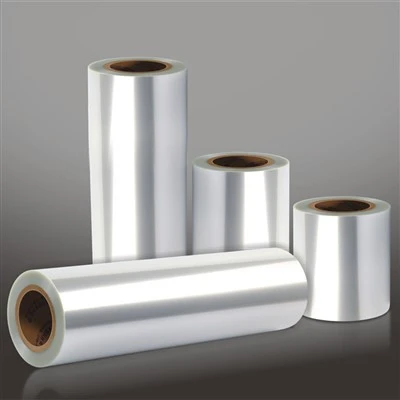
If you’re currently testing substrates for your next hot stamping project, or you’re dealing with adhesion issues that you can’t solve, I’d be happy to walk through your needs in more detail. We work with converters of all sizes, from small label shops to large global packaging manufacturers, and we can provide custom samples, technical guidance, and bulk standard BOPET film to fit your production schedule. Reach out to our team to discuss your project and find the right film solution for your hot stamping needs.
Matte CPP Film References
- "Biaxially Oriented Polyethylene Terephthalate (BOPET) Film: Properties and Applications," Plastics Technology Association, 2022.
- Hot Stamping Foil Compatibility Guide, National Converters Association, 2021.
- "Dimensional Stability of Polyester Films for Labeling Applications," Journal of Flexible Packaging, vol. 18, no. 3, 2020, pp. 45-52.
- Surface Energy Requirements for Adhesive Bonding in Hot Stamping, International Adhesive Society, 2019.
Qingzhou Huiyuan Packaging Materials Co., Ltd.
As one of the most professional standard bopet film suppliers in China since 1997, we’re featured by quality products and good service. Please feel free to buy cheap standard bopet film made in China here from our factory. For price consultation, contact us.
Address: Naoshan Industrial Park, Shaozhuang Town, Qingzhou City, Weifang, Shandong Province, China.
E-mail: 15864598133@163.com
WebSite: https://www.huiyuanfilms.com/
