If you’ve ever driven past a small, unassuming station tucked between a gas station and a grocery store, with a single pump marked for “autogas” or LPG, you might have wondered what exactly that setup does, and why it matters for drivers, fleet operators, and small business owners. As a supplier of LPG fueling station components and turnkey solutions, I get this question all the time—from new fleet managers looking to switch to a cheaper fuel, to city planners researching low-emission transit options. Let’s break down what an LPG fueling station actually is, how it works, and why it’s a critical piece of the global shift to more accessible, affordable alternative fuels. LPG Fueling Station
First, let’s start with the basics: LPG stands for liquefied petroleum gas. It’s a byproduct of natural gas processing and crude oil refining, made up mostly of propane and butane. Unlike gasoline or diesel, LPG is stored as a liquid under moderate pressure, which means it takes up far less space than it would as a gas at atmospheric pressure—about 270 times less, in fact. That’s why it’s easy to transport, store, and dispense into vehicles. An LPG fueling station is the specific infrastructure designed to safely store that pressurized LPG and dispense it into vehicle fuel tanks, whether for passenger cars, delivery vans, school buses, or even heavy-duty trucks.
At its core, an LPG fueling station isn’t that different from a traditional gas station, but the details that make it safe and efficient are what set it apart. Let’s walk through the key components, because this is where my team and I spend most of our time designing, manufacturing, and installing systems that meet global safety codes. First is the storage tank. These are large, cylindrical, pressure-rated tanks—usually buried underground to save space, reduce exposure to extreme temperatures, and improve safety, though above-ground tanks are also common in some rural areas. The size of the tank depends on the station’s intended use: a small, private station for a local delivery fleet might hold 5,000 gallons, while a public station open to all drivers could have a 30,000-gallon tank or more.
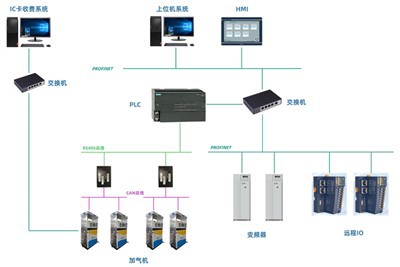
Next is the dispensing system. Unlike gasoline pumps that use gravity or electric pressure to push fuel out, LPG pumps have to handle both liquid and vapor phases, so they’re built with specialized metering systems that track exactly how much fuel is dispensed, just like gas pumps. Each pump is also fitted with an automatic shutoff nozzle that prevents overfilling, which is critical because overpressurizing a tank can lead to leaks or safety hazards. Then there’s the control room or monitoring system—this is the brains of the station. Modern stations use sensors to track tank levels, pressure, temperature, and any potential leaks, sending real-time alerts to station operators so they can address issues before they become problems. For commercial or public stations, there’s also payment processing hardware, just like at any gas station, that lets drivers pay via credit card, app, or fleet account.
One thing I want to emphasize is that LPG fueling stations aren’t one-size-fits-all. When we work with a client—whether it’s a small business wanting to convert its delivery van fleet, or a municipality building a public transit hub—we start by assessing their specific needs. A private fleet that only operates within a 50-mile radius might only need a simple, low-cost station with one pump. A public station that serves hundreds of drivers a day needs a more robust system with multiple pumps, backup power for the monitoring system, and compliance with local fire codes and safety regulations. That’s why we don’t just sell parts; we work with clients to design turnkey stations that fit their budget and usage requirements.
Now, you might be wondering why anyone would bother with LPG instead of sticking to gasoline or diesel. That’s a question I get all the time, especially from fleet operators who are used to the familiar infrastructure of traditional gas stations. Let’s get into the practical benefits, because this is why LPG has grown in popularity over the last 20 years, especially for light and medium-duty vehicles. First, cost. On average, LPG is 30-40% cheaper than gasoline in most markets, and that gap tends to widen when crude oil prices spike. For a delivery company with 10 vans that drive 10,000 miles a month, that’s thousands of dollars in savings every year. Second, emissions. LPG burns much cleaner than gasoline or diesel, producing up to 20% less CO2, almost no particulate matter, and fewer toxic pollutants like nitrogen oxides. That’s a big deal for cities looking to meet air quality standards and reduce their carbon footprint without having to invest in all-electric vehicle infrastructure, which can be cost-prohibitive for many small businesses.
But here’s the thing: a fuel is only as useful as the infrastructure to support it. That’s where LPG fueling stations come in. In many parts of Europe, LPG infrastructure is widespread, with over 10 million LPG vehicles on the road, and stations common in most towns. In the U.S., adoption has been slower, but it’s picking up as more small businesses look for affordable alternatives to gas, and as delivery companies like Amazon and UPS start testing LPG-powered vans for last-mile routes. In emerging markets, LPG is even more critical: in countries where gasoline and diesel are heavily taxed, LPG is often the only affordable fuel for millions of small truck and taxi operators, and fueling stations are popping up in even small rural towns to support that demand.
I’ve been in this business for 12 years, and I’ve seen a lot of changes in how LPG stations are designed and used. Early on, most stations were small, private setups for individual fleets, with basic monitoring systems that required a operator to check levels manually. Now, clients want stations that are integrated with their fleet management software, so they can track fuel usage for each vehicle, automate fueling schedules, and even monitor tank levels remotely. We’ve also adapted our systems to work with biopropane, a renewable version of LPG made from organic waste, which cuts emissions even further—something a lot of our sustainability-focused clients are asking for now.
Safety is non-negotiable in this industry, and that’s why every station we design has to meet strict international codes, from OSHA in the U.S. to the Global LPG Association standards. We use only corrosion-resistant materials for tanks and piping, install leak detection sensors at multiple points around the station, and include emergency shutoff valves that cut off fuel flow in the event of a pressure spike or leak. For public stations, we also work with clients to install safety barriers to separate the fueling area from other parts of the property, and clear signage to guide drivers and prevent accidents.
If you’re reading this and wondering whether an LPG fueling station is right for your business, here’s what to consider. First, what type of vehicles are you fueling? LPG works with almost every gasoline-powered vehicle, so if you already have a fleet, converting them to run on LPG is often cheaper than buying all new electric vehicles or switching to diesel. Second, how far do your vehicles drive? If your fleet is on a fixed route, like delivery vans or school buses, an on-site LPG station is a no-brainer—you can fuel your vehicles overnight, no need to send drivers off to public stations during the workday. Third, what are your long-term goals? If you’re looking to cut fuel costs, reduce emissions, or future-proof your business against volatile fuel prices, LPG is a reliable option that doesn’t require the huge upfront investment of building a charging network for electric vehicles.
Over the years, I’ve worked with dozens of clients, from a small bakery in Ohio with two delivery vans to a regional transit company in Texas with 200 school buses. One of my favorite projects was working with a group of small independent taxi operators in Chicago who were tired of paying high gas prices and running into air quality fines. We installed a public LPG station in their neighborhood, with flexible payment plans for small operators, and within a year, most of their taxis were running on LPG, saving them over $1,500 a month per driver and helping the city meet its air quality targets. That’s why I do this work—it’s not just about selling parts; it’s about building infrastructure that makes life easier and cheaper for small businesses, and helps communities move toward cleaner energy.

The shift away from gasoline and diesel isn’t going to happen overnight, and electric vehicles won’t be the only solution for every business or community. LPG is a proven, reliable alternative that’s already in use by millions of people around the world, and the fueling stations that support it are the unsung heroes of that transition. If you’re a fleet manager, business owner, or developer looking to add an LPG fueling station to your operations, we can help. Our team will walk you through the design process, work with your budget, and ensure your station is safe, efficient, and built to last. To start a conversation about your project, reach out to our team to discuss your needs and get a custom quote tailored to your business.
Cryogenic Pressure Vessel References
- Global Liquefied Petroleum Gas (LPG) Association. LPG Fueling Station Design and Safety Standards. 2022.
- U.S. Energy Information Administration. Alternative Fuels Data Center: Liquefied Petroleum Gas. 2023.
- International Organization for Standardization. ISO 13761:2020, Petroleum and liquid petroleum products — Liquefied petroleum gas (LPG) fueling stations for automotive use — Functional requirements. 2020.
- European Alternative Fuels Observatory. LPG Market Report 2023. 2023.
- U.S. Environmental Protection Agency. Light-Duty Vehicle Emissions: Liquefied Petroleum Gas. 2022.
Tianjin Baiyan Technology Co., Ltd.
With abundant experience, we are one of the most professional lpg fueling station manufacturers and suppliers in China. We warmly welcome you to buy customized lpg fueling station made in China here from our factory. If you have any enquiry about pricelist and quotation, please feel free to email us.
Address: No. 36, Jixian Road, Shuangqiaohe Development Zone, Jinnan District, Tianjin, China
E-mail: sales@tjbaiyan.com
WebSite: https://www.baiyan-tech.com/
