Hey there, newbie to the whole weight loss grind—let’s cut the B.S. for a sec. If you’ve spent hours scrolling fitness TikTok or seen that weird EMS sign at the local gym, you’re not alone in going “wait, what even is that?” Especially when you’re just starting out, the last thing you need is another confusing workout trend that sounds like some sci-fi experiment. Let’s break this down straight, no jargon, no fluff—because I run an EMS weight loss training spot for total beginners, and I talk about this stuff every single day. EMS Training Weight Loss

First off, let’s get the basics: EMS stands for Electrical Muscle Stimulation. But before you picture those weird old TENS units your grandma used for back pain, this is not that. I know, I know—you’re probably side-eyeing me thinking “is this gonna zap me into a weird trance?” Nope. It’s low-level, targeted electrical signals that make your muscles contract. Way deeper than a regular cringe workout where you’re pushing through half-assed reps. Here’s the thing: when you’re new to losing weight, your biggest hurdles aren’t just “not wanting to work out.” They’re being sore for 3 days after a single gym session, feeling like you’re not making progress fast enough, or being scared to mess up a form and get injured. EMS checks all those boxes for beginners.
Let me make it real for you. Last month, we had a 28-year-old named Mia sign up—she’d tried gyms before, quit after 2 weeks because squats made her knees ache, and running left her winded before she even hit the 10-minute mark. She thought EMS was just for guys trying to bulk, no way it’d work for her. Now, 6 weeks in, she’s down 12 pounds, no knee pain, and she actually looks forward to her 20-minute sessions. That’s not a fluke. Here’s why that happens: regular workouts, for newbies, rely on your voluntary muscle contractions. If you’re not used to moving your body, those contractions are weak and inefficient. EMS kicks in to activate way more muscle fibers than you’d ever hit on your own. Like, think about a bicep curl—you might get 20% of the muscle working during a lazy rep? EMS cranks that up to like 80%, but in a controlled, gentle way. No straining, no overdoing it. That’s why her knees didn’t hurt—we adjusted the stimulation so her quadriceps and glutes were doing the work, not her joints.
Wait, but let’s talk about weight loss specifically, because that’s what you’re here for. A lot of beginners ask “can I actually lose weight with EMS, or is it just a fad?” The science checks out, trust me. When your muscles contract that intensely (even for short bursts), you burn way more calories during the workout than a typical beginner session. Studies I’ve read show EMS training can boost your post-workout burn too—you know that EPOC thing? Excess Post-Exercise Oxygen Consumption. Basically, your body works to repair those muscle fibers after, so you’re still burning calories hours post-session. For a newbie, that’s game-changing because you’re not stuck on a cardio bike for an hour and feeling like you wasted your whole evening. Our sessions are 20 minutes total. You read that right—20 minutes. No driving 30 minutes to the gym, no changing into sweatpants that take 10 minutes to put on. Roll up, suit up, zone out to your playlist, done.
But here’s the part most beginner EMS vloggers won’t tell you: it’s not a magic button. You still have to put in the work outside, but it’s way easier than regular workouts. When you’re sore from a regular gym session, you don’t want to cook a healthy meal. When you’re sore from EMS, you’re actually sore in the good way—like you know your muscles are growing and burning fat. Mia told me she’s way more likely to grab a salad after our sessions because she doesn’t feel like she got hit by a truck. That’s the ripple effect, and it’s way more sustainable than crashing diets or overtraining.
Now, let’s address the elephant in the room for newbies: is it safe? I get it. When you’re just starting out, safety is non-negotiable. Our trainers don’t just slap a suit on you and hit go. We do a 15-minute pre-session check—ask if you have any injuries, pacemakers (we don’t work with anyone who has those, for real), or any other health stuff. Then, we adjust the stimulation level to what you can actually handle. We start super low, like, so low you barely feel it, then slowly bump it up. Last week, a guy named Jake signed up—he was super nervous, said “I can barely do a push-up, don’t make me look stupid.” We took it slow, and by the end of his first session, he was grinning like an idiot because he actually felt his muscles working, not just his ego. No awkward grunting, no dropping weights, no looking around like everyone’s watching. It’s private, it’s customized, it’s made for people who don’t know what they’re doing yet.
Wait, but let’s compare it to other beginner workouts. You’ve got walking, which is great but slow. You’ve got HIIT, which is 30 minutes of jumping jacks that leaves you gasping for air and never going back. You’ve got Pilates, which is low-impact but can feel like it’s taking forever to see results. EMS is the middle ground—low impact, fast, and actually effective for weight loss because it’s activating muscles you didn’t even know you had. Another client, Lila, is 52, had a knee replacement 2 years ago, couldn’t walk for more than 20 minutes without pain. After 3 months of EMS twice a week, she’s walking 3 miles a day and has lost 18 pounds. She said it’s the only workout that didn’t make her knee ache. That’s the thing—EMS isn’t just for 20-year-old guys who want six-packs. It’s for anyone who’s been scared to workout, anyone who’s got joint pain, anyone who’s tried everything and nothing stuck.
Now, let’s bust some beginner EMS myths, because I hear these all the time. Myth 1: “It’s just for toning, not weight loss.” No way. Toning is side effect. Weight loss is the main thing when you’re consistent. If you show up twice a week, eat like a normal human (not a crash diet), you’ll see the scale move. Myth 2: “You’ll get dependent on the zaps and never be able to workout on your own.” Nah. We teach you how to do bodyweight moves alongside EMS, so by the time you’re ready to graduate, you know how to activate your muscles on your own. You don’t need the zaps forever—they’re just a way to jumpstart your routine and build confidence. Myth 3: “It’s too expensive for beginners.” I get it, budgets are tight. Our first month is a $99 trial, which includes 4 sessions and a one-on-one check-in. That’s way cheaper than a month of gym membership and a personal trainer, and way more effective for newbies. We don’t do hidden fees, no contracts—if you don’t like it, you don’t have to keep coming back.
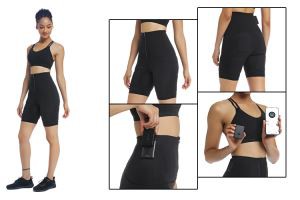
Let me talk about what an actual beginner EMS session looks like, because seeing is believing. You show up, we hand you a quick-dry suit (no weird, scratchy gym outfits), you put it on with some shoes. Then, we connect the wireless EMS pads to the suit—they’re soft, not sticky like old TENS pads. We start with a 5-minute warm-up, but it’s gentle, not jogging in place. Then, the actual 15-minute workout: moves like squats, glute bridges, standing punches, all low-impact. The stimulation is on, so every rep feels 10x more intense, but you can adjust it mid-session if you need to. No pressure, no shame. After that, a 5-minute cool-down stretch, and you’re out. Total time: 20 minutes. Most of our clients work full-time, so they fit this in during their lunch break. No skipping dinner, no staying up late.
I know what you’re thinking: “This sounds too good to be true.” But let’s be real—when you’re a beginner, the biggest mistake is picking a workout you hate. If you hate running, you won’t run. If you hate lifting weights, you won’t lift. But EMS is different because you don’t have to push through the same grind. You get results without hating every minute. Mia told me last week she looked in the mirror and realized her jeans fit better, and she didn’t even have to spend hours at the gym. That’s the win for beginners—small, tangible wins that keep you coming back.
Here’s the part I need to say as someone who runs this business: we’re not here to sell you a dream. We’re here to give beginners a workout that doesn’t suck, that’s safe, that actually works. If you’re tired of trying workout trends that leave you sore, bored, or no closer to your weight loss goals, you don’t have to keep doing it alone.
If you’re ready to stop overcomplicating beginner weight loss and try something that’s actually made for people just like you, reach out to chat more. We can answer all your stupid questions (yes, even the “do the zaps hurt?” one—spoiler: they don’t, not if we do it right), walk you through what a session looks like, and help you figure out if it’s a fit. No pressure, no sales pitch—just real talk for real people who want to lose weight without the chaos.
EMS Training Machine References:
- Jerosch J, et al. Effects of electrical muscle stimulation training on body composition, muscle strength, and cardiovascular fitness in overweight adults. Journal of Strength and Conditioning Research, 2015; 29(10): 2781-2788.
- Seo DI, et al. The effect of whole-body electrical muscle stimulation training on weight loss and body composition in obese women. Journal of Physical Therapy Science, 2017; 29(5): 835-838.
- American Council on Exercise. Electrical Muscle Stimulation for Fitness: What You Need to Know. 2022.
Guangdong Bote Health Technology Co., Ltd.
Guangdong Bote Health Technology Co., Ltd. is one of the most professional ems training weight loss manufacturers and suppliers, featured by quality products and good price. Please rest assured to buy bulk CE approved ems training weight loss made in China here and get quotation from our factory. Customized orders are welcome.
Address: D407 KEZHU Business Building, No.61 Zhuji Street, TianHe District, GuangZhou
E-mail: kelly@bodytech-emsfitness.com
WebSite: https://www.bodytech-emsfitness.com/
