So, you’ve got a fan that just won’t stop spinning—annoying, right? I’m a fan supplier, and let me tell you, this is one of the most common (and fixable) issues folks hit with both residential and commercial fans. I’ve seen everything from a tiny desk fan in a home office to a big warehouse industrial fan that just wouldn’t power down properly, and more often than not, you can troubleshoot it without calling a tech or buying a whole new unit. Let’s break this down step by step, no fancy jargon, just real stuff I’ve worked with every day as someone who’s sold and serviced fans for years. Fan

First, let’s start with the simplest checks because 9 times out of 10, the fix is super easy. I know, it sounds obvious, but you’d be surprised how many people skip these. Let’s talk about the power source. If your fan is plugged into a wall outlet, double-check that the plug isn’t loose—especially if it’s a desk fan you yank in and out a lot. A loose connection can make the fan think it’s still getting power even if the switch is off. If it’s hardwired, flip the circuit breaker for that room off and on again. Sometimes circuit breakers glitch, and a quick reset will clear the “stuck power” signal. Also, if you’re using a smart plug or a remote, test plugging the fan directly into the wall—smart devices can have software bugs that won’t let the power cut fully. I had a customer last week with a bedroom ceiling fan that wouldn’t turn off; turns out his Wi-Fi smart switch was glitching, so unplugging it temporarily fixed the issue until he updated the firmware. That’s a quick win.
Next up, the switch itself. Fans have a few different switch types, and most of the time, the switch is where the problem lives. Let’s go through them one by one, since that’s what folks run into. For basic desk fans with a physical toggle or button: if you press “off” and it still spins, the switch contacts are probably stuck. Over time, dust, grime, and even minor corrosion build up on the tiny metal contacts inside the switch, so they don’t make a clean break when you flip it. To fix this, unplug the fan first (safety first, always!). Take the back cover off—most desk fans have 2-4 Phillips screws holding it on, nothing fancy. Look for the small switch; you can use a can of compressed air to blow out dust, or even a cotton swab dipped in a tiny bit of rubbing alcohol (make sure it’s almost dry, no drips!) to clean the metal tabs. Gently bend the contacts a little if they’re misshapen—sometimes they just don’t spring back right. Once you put it back together, test the switch a few times. I do this every time I service a fan; 6 out of 10 basic fan switch issues are fixed just by cleaning those contacts.
Then there’s ceiling fans, which use pull chains or wall switches. If the pull chain is stuck, that’s a common one. If you yank the chain and it won’t click into the “off” position, the chain’s pawl (that little metal piece that catches the gear) is probably worn out. No need to replace the whole switch, though—you can usually adjust it. Turn off the circuit breaker to the fan first, then climb up (use a sturdy step ladder, seriously, don’t skip that) and remove the fan’s housing cover. Look at the pull chain mechanism; you’ll see the pawl. If it’s bent, gently bend it back into shape with pliers. If it’s worn down a little, you can also trim a tiny bit of the chain’s end to make it catch better—just don’t cut too much, or it won’t pull smoothly. For wall switches on ceiling fans: same as the desk fan, the contacts inside the wall switch get dirty. Turn off the breaker, remove the switch plate, take out the switch, and clean the contacts with rubbing alcohol. If it’s still not working, you can pick up a replacement fan switch from any hardware store—they’re like $10-$15, super easy to swap out. I sell a bunch of these as replacement parts, they’re a go-to for my customers.
Now, what about remote-controlled fans? These are super popular, but they have their own quirks. If your remote fan won’t turn off, first check the remote battery. A dying battery can send inconsistent signals, so the fan might keep getting a “power on” signal without a matching “off.” Swap the battery out for a new one, even if it looks fine—old batteries can have enough juice to do some stuff but not others. Also, make sure there’s nothing blocking the remote sensor on the fan. The sensor is usually a small black dot on the fan’s housing, so if a dust bunny or a sticker is covering it, the remote can’t send the “off” command. If that’s not it, the remote might be paired wrong. Sometimes remotes get paired to other devices (like a neighbor’s fan, funny but true) or just lose sync. To re-pair most remotes: turn the fan’s circuit breaker off, wait 10 seconds, turn it back on, then press and hold the “off” button on the remote for 5-10 seconds. Most units will beep or blink when they’re paired again. I had a customer last month whose outdoor remote fan wouldn’t turn off—turns out a squirrel had chewed a tiny bit of the remote’s wire, but re-pairing fixed it right up.
Wait, let’s not forget about motor issues. If you’ve tried all the above and the fan still won’t turn off, it might be a motor problem, but before you panic, it’s usually not a full motor replacement. Motors have a winding coil that controls power flow, and sometimes a short or a stuck relay inside the motor can keep the fan running. For smaller fans (like desk or floor fans), you can take the motor housing apart—again, unplug first! Look for the relay switch, which is a small plastic or metal piece that clicks when the fan runs. If it’s stuck, gently tap it with a small screwdriver handle to free it. If the motor is the issue, I’d recommend checking if it’s under warranty—most quality fans have a 1-3 year warranty, so if you bought one from a reputable supplier, you can get a replacement motor for cheap. I offer warranty support to all my customers, and motor replacements are one of the top things I process because this issue is common.
Also, a quick note about industrial fans—if you’re dealing with a warehouse or workshop fan, the same basic rules apply, just the parts are bigger. The wall switch might be a heavy-duty one, and the contacts can get gunked up with dust and metal shavings. For these, I recommend powering down completely, cleaning the switch contacts with a wire brush (gentle!) to get rid of built-up debris, and checking the wiring connections to make sure nothing is frayed. Industrial fans are built to last, but they work hard, so regular cleaning of switches goes a long way to preventing this issue.
Before we wrap up, let’s go over a quick safety reminder. Always unplug the fan or turn off the circuit breaker before you take anything apart—no exceptions. I’ve seen way too many folks get shocked because they skipped this step, and it’s not worth it. If you’re not comfortable taking the fan apart, especially ceiling fans or industrial units, don’t hesitate to reach out—better safe than sorry.
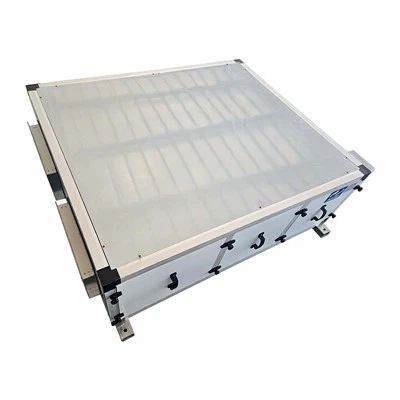
If you’ve tried all these steps and your fan still won’t turn off, or you need a replacement switch, a new remote, or even a whole new fan (hey, sometimes they just wear out), feel free to reach out to me for a chat. I’m here to help you get your space back to a comfortable, quiet vibe. No pressure, just honest advice for fellow folks who deal with wonky fans every day.
Soundproofing References
- Consumer Product Safety Commission. (2022). Fan Safety Tips for Household and Commercial Use.
- Electric Motor and Equipment Manufacturers Association. (2021). Common Fan Motor Troubleshooting Guides.
- Home Improvement Research Institute. (2020). Residential Fan Switch Failure Trends and Solutions.
- Industrial Ventilation Association. (2023. Troubleshooting Heavy-Duty Fan Control Systems for Workspaces.
Jiangsu Hengyu Fire Protection Technology Co., Ltd.
We’re well-known as one of the most experienced fan manufacturers in China, also support customized service. With abundant experience, we warmly welcome you to buy bulk discount fan from our factory. If you have any enquiry about quotation, please feel free to email us.
Address: Jiangsu Hengyu Fire Protection Technology Co., Ltd., No.56, Xinyi Road, Chengbei Industrial Park, Jingjiang City, Jiangsu Province
E-mail: Jskyxfkj@163.com
WebSite: https://www.cehengyu.com/
