What’s good team, let’s cut to the chase—if you’ve been around our lady suits space lately, you’ve probably noticed that the old “boxy blazer + straight skirt” combo that ruled the 2010s is getting a total glow-up. As a supplier who’s been on the ground working with designers, boutique owners, and even small business clients over the past two years, I’ve seen trends shift way faster than most people expect, and none of them are the basic stuff you saw on fast-fashion runways last year. Let’s break down the real, emerging trends that are actually moving the needle for our customers, not just viral TikTok clips. Lady Suits
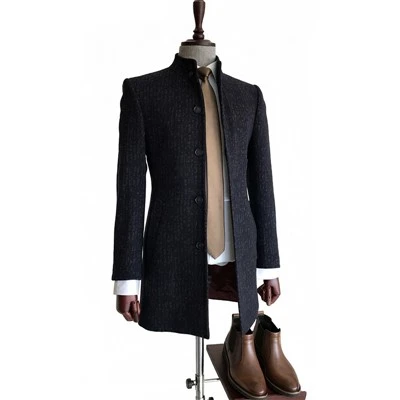
First off, size inclusivity isn’t just a buzzword anymore—it’s built into the design process, not an afterthought. A lot of suit brands used to make one set of patterns for sizes 2 to 12, then grade them up for 14 to 22, which means a size 18 blazer would still have the same narrow shoulders as a size 2, no matter how it fits elsewhere. But over the last 18 months, we’ve been working with designers who’re drafting patterns for every size from 0 to 28 separately, and that’s changing the game. Wait, let me be clear: this isn’t just adding an extra button or making the waistline a little wider. It’s tiny, thoughtful changes, like gussets under the arms so a size 16 person with broader shoulders doesn’t feel restricted when they lift their laptop, or stretch fabric in the back panel of trousers that doesn’t gap when you sit down, no matter your hip size. One of our boutique clients in Texas told us their top-selling suit this quarter was a size 22 tailored blazer that had the same sleek, structured look as a size 4 version, not the baggy, frumpy “plus-size blazer” that brands used to label big sizes as. People are tired of suits that either fit like a sausage casing or a tent, so this trend isn’t going anywhere—it’s becoming table stakes for any supplier that wants to keep up.
Next, functional details that actually matter, not just cute extras. Let’s be real, most suit designs used to be all about how they look, not how they work. You’d get a blazer with a million pockets that are too small for a phone, or trousers with a waistband that’s so high it cuts into your ribs when you’re on your feet all day for a trade show. Now, emerging designs are ditching the decorative details for stuff that makes your life easier. We just launched a new line last month with hidden, reinforced pockets in the blazer lining—big enough to hold an iPhone 14, a lip gloss, and a small notebook, no bulging over the front of the blazer. The trousers have a side elastic panel that doesn’t show when you’re standing, so you don’t have to sacrifice comfort for a polished look. Even the fabric is functional now: we’re seeing a lot of suits made with wrinkle-resistant, machine-washable performance fabric, not just wool that you have to dry clean every other wear. A lot of our clients are working moms, event planners, and small business owners who don’t have time to iron a blazer before a 7 AM meeting, so this is a trend that’s directly tied to their needs, not just fashion.
Another big one: gender-neutral flexibility, but done right, not the lazy “size down a men’s suit” trick. A few years ago, a lot of brands would just repurpose men’s suit patterns, take 2 inches off the shoulders, and call it a women’s gender-neutral suit. But that’s not actually flexible—it’s just a men’s suit adjusted for a different body. Now, emerging designs are creating suits that work for any gender presentation, regardless of how someone identifies. That means things like adjustable shoulder straps, different length inseams, and a silhouette that’s structured but not so specific to “women’s curves” or “men’s broad shoulders” that it limits who can wear it. We had a client last year who started a line of gender-neutral suits for non-binary and trans clients, and they told us that 60% of their sales are from people who don’t fit into traditional gender sizing. The best part about this trend? It’s not just a niche product—our regular lady suit customers who are cis women are also buying these gender-neutral pieces because they like the looser, more relaxed fit for casual Fridays or travel. It’s cross-over appeal that’s actually making sense, not a marketing gimmick.
Wait, let’s talk about fabric innovation too—this is one of the most underrated emerging trends, and it’s changing what lady suits can do. A lot of people still think suits are made of wool, polyester, or a basic blend, but now we’re seeing a lot of new, sustainable fabrics that don’t skimp on style. We’ve been testing linen-cotton blends that are less wrinkly than regular linen, recycled polyester made from plastic bottles, even tencel fabric that feels like silk but is way more durable. One of our most popular new fabrics is a recycled wool blend that’s softer than traditional wool, so it doesn’t feel scratchy when you’re wearing it for 8 hours straight. And it’s not just sustainable—it’s affordable, too. A lot of fast-fashion brands tried to push sustainable fabrics as a premium add-on, but now emerging suit designs are using them as the base fabric, so customers don’t have to pay extra for eco-friendly choices. That’s a big shift—people want to make sustainable choices, but they don’t want to spend $300 on a blazer that’s just “sustainable” for the sake of it.
Oh, and let’s not forget the return of small, intentional details instead of over-the-top logos. A few years ago, suit brands were slapping giant logos on blazer pockets or trouser legs to stand out, but that trend is dying down. Now, emerging designs have subtle, understated details that make the suit feel special without being loud. Think tiny mother-of-pearl buttons on the blazer cuffs, a single contrast stitch along the trouser seam, or a hidden brand label on the inside of the waistband that you only see when you take the suit off. We’ve even had requests from our clients to skip logos entirely, just have a clean, minimal design that works for both work events and casual outings. One of our boutique clients in New York told us their customers are tired of being a walking billboard, so they’re opting for suits that are versatile and understated, not flashy. That’s a trend that’s here to stay because it’s about personal style, not brand recognition.
Now, I know what you’re thinking—these trends are great, but how do they translate to what we do as a supplier? Let’s be real, a lot of suppliers talk about trends, but they don’t actually adjust their processes to match. For us, that means we’re testing new patterns with real customers, not just internal design teams. We send sample suits to small business owners, mompreneurs, and even college students to get feedback—does the blazer fit well when you’re carrying a laptop? Do the trousers stay up when you’re running between meetings? That’s how we make sure the trends we’re offering are actually usable, not just pretty on a lookbook page.
Another thing: fast fashion made everyone think trends change every 6 months, but these emerging lady suit trends are more long-term. Size inclusivity, functional details, flexible sizing, sustainable fabrics—these aren’t fads that will disappear next year. They’re shifts in what customers actually want from a suit, not just what designers think they want. A few years ago, we’d get a lot of requests for very tight, structured blazers that looked great for a photo shoot but were uncomfortable to wear for a full workday. Now, 80% of our requests are for suits that balance style and comfort, which is exactly where the market is going.
Let me give you an example of a new line we’re launching next month that checks all these boxes. It’s a line of lady suits in sizes 0 to 28, made with recycled wool-cotton blend fabric, with hidden pockets, side elastic waistbands, and understated contrast stitching. We tested it with 20 of our regular clients, and 18 of them said they’d order at least 5 pieces for their stores. That’s the kind of validation you don’t get from a trend on Instagram—it’s real, actual customer demand.
If you’re a boutique owner, a small business manager, or someone who’s looking to stock or buy these emerging trend lady suits, don’t waste time on the old, one-size-fits-all designs that aren’t working anymore. These trends are changing the game, and as a supplier, we’re right in the middle of it, making sure our clients get the styles that their customers actually want. We’ve got sample sizes available, flexible order quantities for small businesses, and we’re always updating our lines based on customer feedback.
If you’re interested in chatting more about these trends, checking out our new lines, or placing an order, just reach out. We’re here to help you find the right suits for your needs, whether you’re a boutique looking to restock or a business in need of workwear for your team.
Kids Suits References
- Fashion Institute of Technology. (2024). "The Evolution of Women’s Workwear: Shifts in Fit and Function Post-Pandemic."
- Textile Institute. (2023). "Sustainable Fabric Innovations in Ready-to-Wear Suits: Market Trends and Consumer Demand."
- NPD Group. (2024). "Size Inclusivity in Apparel: How Brands Are Moving Beyond Grade-and-Size Practices."
- Women’s Wear Daily. (2023). "Gender-Neutral Apparel: Separating Gimmicks from Authentic Customer Needs."
Ningbo Mantinno Fashion Co., Ltd.
As one of the most professional lady suits manufacturers and suppliers in China, we also support customized service. Welcome to wholesale bulk high quality lady suits in stock here from our factory. If you have any enquiry about quotation, please feel free to email us.
Address: Huijin Building, No.77 Heyi Road, Haishu District, Ningbo, Zhejiang, China
E-mail: helen@mantinno.com
WebSite: https://www.mantinnosuit.com/
