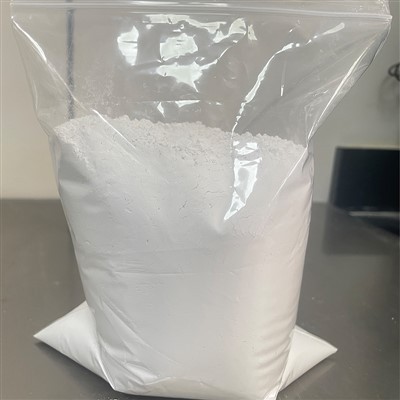
Calcium carbonate powder is a versatile and widely used material in various industries, including plastics, rubber, paper, paint, and construction. As a supplier of calcium carbonate powder, I often encounter questions from customers about the differences between natural and synthetic calcium carbonate powder. In this blog post, I will delve into the characteristics, production processes, and applications of both types, highlighting their key differences to help you make informed decisions for your specific needs. Calcium Carbonate Powder
Characteristics
Natural Calcium Carbonate Powder
Natural calcium carbonate powder is derived from natural sources such as limestone, marble, and chalk. These minerals are formed over millions of years through the accumulation and compression of marine organisms, shells, and sediment. The chemical composition of natural calcium carbonate is primarily calcium carbonate (CaCO3), with small amounts of impurities such as magnesium carbonate, silica, and iron oxide.
One of the main advantages of natural calcium carbonate powder is its high purity and whiteness. Limestone and marble deposits are often found in large quantities and can be mined and processed to produce calcium carbonate powder with a purity of up to 99%. This high purity makes natural calcium carbonate powder suitable for applications where color and transparency are important, such as in the production of plastics, rubber, and paper.
Another advantage of natural calcium carbonate powder is its low cost. Since it is derived from natural sources, the raw material cost is relatively low compared to synthetic calcium carbonate powder. Additionally, the production process for natural calcium carbonate powder is relatively simple and energy-efficient, further reducing the overall cost of production.
Synthetic Calcium Carbonate Powder
Synthetic calcium carbonate powder is produced through a chemical process known as precipitation. This process involves the reaction of calcium hydroxide (Ca(OH)2) with carbon dioxide (CO2) to form calcium carbonate (CaCO3). The calcium hydroxide can be obtained from various sources, such as limestone, dolomite, or calcium chloride.
One of the main advantages of synthetic calcium carbonate powder is its high degree of control over the particle size and shape. The precipitation process allows for precise control of the reaction conditions, such as temperature, pressure, and pH, which can be used to produce calcium carbonate powder with specific particle sizes and shapes. This makes synthetic calcium carbonate powder suitable for applications where particle size and shape are critical, such as in the production of coatings, adhesives, and sealants.
Another advantage of synthetic calcium carbonate powder is its high surface area and reactivity. The precipitation process produces calcium carbonate powder with a high surface area, which increases its reactivity and makes it more effective in certain applications, such as in the production of catalysts and absorbents.
Production Processes
Natural Calcium Carbonate Powder
The production process for natural calcium carbonate powder typically involves the following steps:
- Mining: Limestone, marble, or chalk deposits are mined from the earth using various methods, such as open-pit mining or underground mining.
- Crushing and Grinding: The mined material is then crushed and ground into smaller particles using crushers and mills. The particle size of the ground material can be controlled by adjusting the settings of the crushers and mills.
- Classification: The ground material is then classified into different particle sizes using sieves or air classifiers. This ensures that the final product has a consistent particle size distribution.
- Surface Treatment: In some cases, the natural calcium carbonate powder may be surface-treated to improve its dispersion and compatibility with other materials. This can be done using various surface treatment agents, such as stearic acid or silane coupling agents.
- Packaging and Shipping: The final product is then packaged in bags or bulk containers and shipped to customers.
Synthetic Calcium Carbonate Powder
The production process for synthetic calcium carbonate powder typically involves the following steps:
- Preparation of Calcium Hydroxide: Calcium hydroxide is prepared by reacting calcium oxide (CaO) with water. This reaction is known as slaking and produces calcium hydroxide in the form of a slurry.
- Carbonation: The calcium hydroxide slurry is then reacted with carbon dioxide to form calcium carbonate. This reaction is known as carbonation and can be carried out in a batch or continuous process.
- Precipitation and Filtration: The calcium carbonate precipitate is then separated from the reaction mixture using filtration or centrifugation. The precipitate is then washed and dried to remove any impurities.
- Surface Treatment: Similar to natural calcium carbonate powder, synthetic calcium carbonate powder may also be surface-treated to improve its dispersion and compatibility with other materials.
- Packaging and Shipping: The final product is then packaged in bags or bulk containers and shipped to customers.
Applications
Natural Calcium Carbonate Powder
Natural calcium carbonate powder is used in a wide range of applications, including:
- Plastics: Natural calcium carbonate powder is used as a filler in plastics to improve their mechanical properties, such as stiffness, strength, and impact resistance. It is also used to reduce the cost of production by replacing more expensive polymers.
- Rubber: Natural calcium carbonate powder is used as a reinforcing filler in rubber to improve its mechanical properties, such as hardness, tensile strength, and abrasion resistance. It is also used to reduce the cost of production by replacing more expensive rubber compounds.
- Paper: Natural calcium carbonate powder is used as a filler in paper to improve its brightness, opacity, and printability. It is also used to reduce the cost of production by replacing more expensive pulp fibers.
- Paint: Natural calcium carbonate powder is used as a filler and extender in paint to improve its hiding power, durability, and weather resistance. It is also used to reduce the cost of production by replacing more expensive pigments.
- Construction: Natural calcium carbonate powder is used in the construction industry as a filler in cement, concrete, and mortar. It is also used as a coating material for buildings to improve their appearance and durability.
Synthetic Calcium Carbonate Powder
Synthetic calcium carbonate powder is used in a wide range of applications, including:
- Coatings: Synthetic calcium carbonate powder is used as a filler and pigment in coatings to improve their gloss, hardness, and scratch resistance. It is also used to reduce the cost of production by replacing more expensive pigments.
- Adhesives and Sealants: Synthetic calcium carbonate powder is used as a filler in adhesives and sealants to improve their viscosity, thixotropy, and adhesion. It is also used to reduce the cost of production by replacing more expensive polymers.
- Catalysts and Absorbents: Synthetic calcium carbonate powder is used as a support material for catalysts and absorbents due to its high surface area and reactivity. It is also used in the production of activated carbon and other adsorbents.
- Pharmaceuticals and Food: Synthetic calcium carbonate powder is used as a calcium supplement in pharmaceuticals and food products. It is also used as an antacid and a pH regulator in the production of food and beverages.
- Cosmetics and Personal Care Products: Synthetic calcium carbonate powder is used as a filler and absorbent in cosmetics and personal care products, such as powders, creams, and lotions. It is also used to improve the texture and appearance of these products.
Conclusion
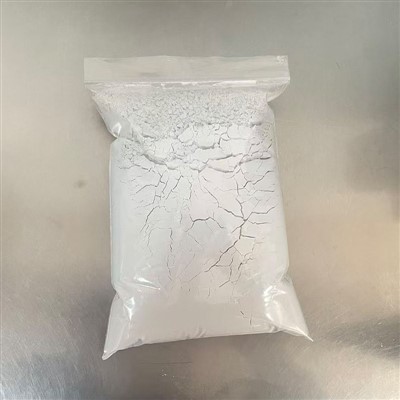
In conclusion, natural and synthetic calcium carbonate powder have different characteristics, production processes, and applications. Natural calcium carbonate powder is derived from natural sources and is known for its high purity, whiteness, and low cost. It is commonly used in applications where color and transparency are important, such as in the production of plastics, rubber, and paper. Synthetic calcium carbonate powder, on the other hand, is produced through a chemical process and is known for its high degree of control over the particle size and shape, as well as its high surface area and reactivity. It is commonly used in applications where particle size and shape are critical, such as in the production of coatings, adhesives, and sealants.
Dolomite Powder As a supplier of calcium carbonate powder, I understand the importance of choosing the right type of calcium carbonate powder for your specific needs. Whether you are looking for a high-purity natural calcium carbonate powder or a highly specialized synthetic calcium carbonate powder, I can provide you with the best solution at a competitive price. If you have any questions or would like to discuss your specific requirements, please do not hesitate to contact me. I would be happy to assist you in making the right choice for your business.
References
- Gebauer, D., & Coelfen, H. (2011). The non-classical crystallization of calcium carbonate. Chemical Society Reviews, 40(1), 559-574.
- Price, D. C. (2006). Agglomeration and dispersion of calcium carbonate in polymer composites. Progress in Organic Coatings, 56(1), 10-21.
- Rodriguez-Navarro, C., Gomez-Heras, M., Orial, G., Sebastian, E., & Vazquez, T. (2007). The origin of limestone and marble and its influence on the development of black crusts. Journal of Cultural Heritage, 8(1), 64-71.
Chaohu Jirun Energy Conservation and Environmental Protection Technology Co., Ltd.
We’re well-known as one of the leading calcium carbonate powder manufacturers and suppliers in China, also support customized service. Welcome to wholesale high quality calcium carbonate powder in stock here from our factory. If you have any enquiry about pricelist, please feel free to email us.
Address: No. 9, north of the intersection of Weihai Road and Weili Avenue, within the industrial park of Yinping Town, Chaohu City, Hefei City, Anhui Province.
E-mail: 13305654485@163.com
WebSite: https://www.chaohujirun.com/
