A dry type transformer is a critical component in the electrical power distribution system, renowned for its unique characteristics and wide – ranging applications. As a supplier of dry type transformers, I am excited to share in – depth knowledge about these remarkable devices. Dry Type Transformer
Understanding the Basics of Dry Type Transformers
At its core, a dry type transformer is an electrical device designed to transfer electrical energy between two or more circuits through electromagnetic induction. Unlike oil – filled transformers, which use oil as a cooling and insulating medium, dry type transformers rely on air or a dry compound for insulation and cooling. This key difference makes them a safer and more environmentally friendly option in many applications.
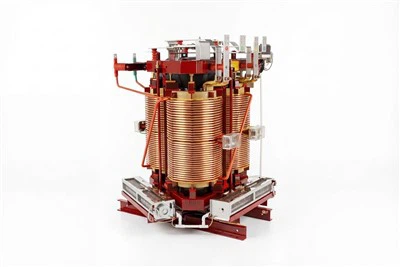
The construction of a dry type transformer typically consists of a core made of laminated steel sheets. These sheets are stacked together to form a magnetic path, which helps in the efficient transfer of electrical energy. The windings, usually made of copper or aluminum, are wound around the core. The primary winding receives the input voltage, and the secondary winding delivers the output voltage, with the ratio of the number of turns in the primary and secondary windings determining the voltage transformation ratio.
Advantages of Dry Type Transformers
One of the most significant advantages of dry type transformers is their safety. Since they do not use flammable oil, the risk of fire and explosion is greatly reduced. This makes them an ideal choice for indoor installations, such as commercial buildings, hospitals, schools, and data centers, where safety is of utmost importance.
Another advantage is their environmental friendliness. Without the need for oil, there is no risk of oil spills, which can have a detrimental impact on the environment. Additionally, dry type transformers are more energy – efficient compared to some traditional oil – filled transformers. They have lower losses, which means less energy is wasted as heat during the transformation process. This not only reduces operating costs but also aligns with the growing trend towards sustainable energy use.
Dry type transformers are also known for their low maintenance requirements. They do not need regular oil checks and replacements, and the absence of oil eliminates the need for complex oil – handling procedures. This results in lower long – term maintenance costs and less downtime for the electrical system.
Applications of Dry Type Transformers
Dry type transformers find a wide range of applications across various industries. In the commercial sector, they are commonly used in shopping malls, office buildings, and hotels to step down the high – voltage power from the grid to a level suitable for use in lighting, air – conditioning, and other electrical equipment.
In the industrial sector, dry type transformers are used in factories and manufacturing plants. They can handle the high – power demands of industrial machinery and provide a stable power supply. For example, in the automotive industry, dry type transformers are used to power the assembly lines and robotic equipment.
In the healthcare sector, dry type transformers are crucial for hospitals and medical facilities. They ensure a reliable power supply for life – saving medical equipment, such as MRI machines, CT scanners, and operating room lights. The safety and reliability of dry type transformers are essential in these critical applications.
Design and Manufacturing Considerations
When designing and manufacturing dry type transformers, several factors need to be taken into account. The first is the voltage rating. The transformer must be designed to handle the specific input and output voltages required by the application. This involves careful calculation of the number of turns in the windings and the selection of appropriate conductor materials.
The cooling method is another important consideration. There are two main types of cooling for dry type transformers: natural air cooling (AN) and forced air cooling (AF). Natural air cooling is suitable for smaller transformers or applications with lower power requirements. Forced air cooling, on the other hand, uses fans to increase the airflow around the transformer, which allows it to handle higher power loads.
The insulation system is also a critical aspect of dry type transformer design. High – quality insulation materials are used to ensure electrical safety and prevent electrical breakdown. These materials must be able to withstand high temperatures and electrical stresses over an extended period.
Quality Control and Testing
As a dry type transformer supplier, we place a strong emphasis on quality control and testing. Every transformer undergoes a series of rigorous tests before it leaves the factory. These tests include insulation resistance tests, turns ratio tests, and short – circuit tests.
Insulation resistance tests are used to measure the resistance of the insulation material. A high insulation resistance indicates that the insulation is in good condition and can effectively prevent electrical leakage. Turns ratio tests are used to verify the ratio of the number of turns in the primary and secondary windings, ensuring that the transformer is providing the correct output voltage. Short – circuit tests are conducted to evaluate the transformer’s ability to withstand short – circuit currents without damage.
Market Trends and Future Outlook
The market for dry type transformers is growing steadily, driven by factors such as increasing demand for reliable and safe power supply, the growth of the renewable energy sector, and the need for energy – efficient electrical equipment. As more industries and consumers become aware of the benefits of dry type transformers, the demand is expected to continue to rise.
In the future, we can expect to see further advancements in dry type transformer technology. This may include the development of more efficient insulation materials, improved cooling systems, and the integration of smart features for remote monitoring and control. These advancements will not only enhance the performance and reliability of dry type transformers but also make them more competitive in the market.
Conclusion

Dry type transformers are an essential part of the modern electrical power system. Their safety, environmental friendliness, and energy – efficiency make them a popular choice for a wide range of applications. As a supplier of dry type transformers, we are committed to providing high – quality products that meet the diverse needs of our customers.
Pole Mounted Transformer If you are in the market for dry type transformers, we invite you to contact us for a detailed discussion about your requirements. Our team of experts is ready to assist you in selecting the right transformer for your application and providing you with the best possible service.
References
- "Electrical Power Transformer Engineering" by Theodore Wildi
- "Transformer Design Principles: With Applications to Core – Form Power Transformers" by John G. Kelly
Jiangsu Yuantong Electric Co., Ltd.
As one of the most experienced dry type transformer manufacturers and suppliers in China, we also support customized service. Please rest assured to wholesale bulk high quality dry type transformer in stock here from our factory. Contact us for more details.
Address: No. 202, Qiaogang Road, Xicheng Subdistrict, Hai’an City
E-mail: jsytdq@jsytelectric.com
WebSite: https://www.jsytelectric.com/
