Hey there, if you work in a lab that uses bioreactors, you know how frustrating contamination can be—one random bacteria spore or stray mold cell can shut down weeks of work, waste expensive media, and cost you way more time and money than you planned. As a lab bioreactor supplier, I’ve talked to hundreds of researchers, techs, and lab managers who’ve been burned by avoidable contamination, so I’m breaking down the real, actionable steps we share with our clients to keep your bioreactors clean, no fancy fluff required. Laboratory Bioreactor
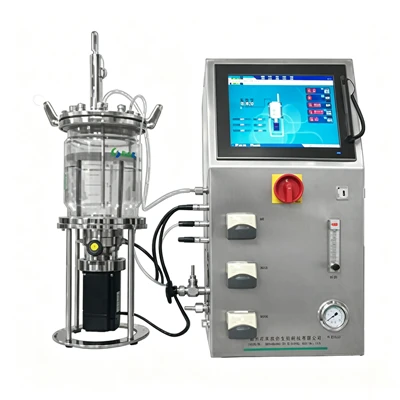
First, let’s cut to what actually causes contamination in lab bioreactors—most of the time, it’s not “bad luck.” It’s small, overlooked mistakes: missed cleaning spots, worn-out seals, or skimping on validation steps. I’ve seen a new grad forget to autoclave a sampling line, and suddenly their 10L mammalian cell culture was overrun with E. coli. Or a lab tech reuse a pH probe autoclave bag one too many times, and yeast got in through a tiny tear. So these aren’t just rules—they’re lessons from people who’ve been there.
Let’s start with the basics: pre-use cleaning and sterilization. I know, I know—you’ve heard “clean everything” a thousand times, but here’s the specific stuff that trips people up. First, don’t just wipe down your bioreactor’s exterior. The internals matter way more. When you’re assembling the bioreactor for a run, every single part that touches your culture—ports, impellers, spargers, even the tiny O-rings—needs to be properly prepped. A lot of labs skip disassembling those small parts, and bacteria love to hide in the crevices of O-rings or under the lip of a port. We actually recommend to our clients that they use a mild, lab-grade detergent (not dish soap—those have oils that mess with cell growth) and a soft brush for those hard-to-reach spots, then rinse with deionized water twice. No leftover detergent = no weird residues that can also mess with your culture, bonus.
Then sterilization. Autoclaving is the go-to, but don’t just toss parts in and hit start. You need to make sure the autoclave is working correctly—test it with spore strips every month, not just when you remember. A dead autoclave is a contamination disaster. For bioreactors that do in-situ sterilization (that’s “autoclaving the whole bioreactor while it’s assembled, right in your lab”), make sure you follow the manufacturer’s cycle: 121C for 20 minutes for every 10L, 30 minutes for larger volumes. We’ve had clients cut that time short because they’re in a hurry, and guess what? That’s exactly when Bacillus spores survive. Also, after sterilization, don’t open the bioreactor door right away—let it cool down and pressure equalize slowly. Opening it too fast can suck in room air, which is full of contaminants. Trust me, I’ve watched that happen more than once.
Next up, seals and connections—this is where so many contamination issues sneak in. Your bioreactor’s O-rings, gaskets, and quick-disconnect fittings are your first line of defense, but they wear out faster than you think. We tell clients to replace O-rings every 3 to 6 months, depending on how often they use the bioreactor. If you see a tiny scratch, tear, or even discoloration on an O-ring, replace it immediately—even a micro-tear is enough for bacteria to get through. Also, when you connect parts, don’t just “snug” them—tighten them properly, but don’t overdo it, because that can crack the port. Quick-disconnect lines, like those for media feeds or sampling, need to be sterilized before connecting, and use sterile caps on any open ports when not in use. I’ve seen a lab leave a media line uncapped for 10 minutes while they ran to get a sample, and that was all it took for mold spores to settle in.
Media and reagent handling is another big one. Contamination doesn’t just come from the bioreactor itself—it can come from the stuff you’re putting into it. When you make media, use sterile water, and filter any solutions that can’t be autoclaved (like some vitamins or growth factors). Don’t reuse media bottles, even if you just opened them last week—room temp storage for more than a day lets bugs grow. Also, when you add media or reagents to the bioreactor, do it in a laminar flow hood, not just on the lab bench. Even if your bench looks clean, there are floating particles you can’t see. And never share pipettes, bottles, or tools between cultures—even a tiny drop of another culture on a pipette tip can contaminate your whole run.
Sampling is a step that people mess up all the time, and it’s a super common contamination entry point. When you take a sample from the bioreactor, you need to sterilize the sampling port first—don’t just pull the cap and stick a needle in. Use 70% ethanol to wipe the port, then let it flame (if it’s a metal port) before inserting the sampling needle or syringe. Also, don’t discard sample waste on the lab bench—dispose of it in a sealed biohazard container right away, and decontaminate the area around the port after sampling. I had a client once who kept reusing the same sampling line for 5 different runs without sterilizing it between, and they never caught the contamination until their 5th run was ruined. That line was so full of old culture residue, even a quick ethanol wipe didn’t kill the spores.
Then there’s monitoring your culture. You can’t just set the bioreactor and walk away, right? Check for contamination signs every day—look at the culture’s color (if it’s usually clear and it’s cloudy, that’s a red flag), check pH and dissolved oxygen levels for weird shifts (contaminants like bacteria grow way faster than most cell lines, so they’ll mess with those parameters fast), and do a quick gram stain or plating test every few days. If you spot contamination early, you can save your run by catching it before it spreads. We actually include free monitoring checklists with every bioreactor we sell, because knowing what to look for is half the battle.
Wait, also—don’t forget regular preventive maintenance on your bioreactor. Even if it’s working perfectly, parts like impellers, spargers, and filters get clogged or worn over time. Air filters for sparging, for example, should be replaced every 200 hours of use—if they’re caked with dust, they can’t block contaminants from entering the air supply. A lot of labs wait until the filter is clogged to replace it, and that’s when bugs get in through the air line. We send our clients reminder emails to change filters and check seals, because it’s easy to let that slip when you’re busy with experiments.
Now, let’s talk about mistakes that people make because they’re in a hurry. I get it—lab life is chaotic, you have deadlines, you need to get a run done right now. But skimping on sterilization time, skipping O-ring checks, or not waiting for pressure to equalize? That’s where contamination happens. Last year, a PhD student I talked to was 2 days away from finishing a 2-week antibody production run, and she skipped the 10-minute port cooling step, opened the door too fast, and lost everything. She told me she was so stressed about a conference that she rushed, and that’s all it took. So even when you’re cramming, carve out the time for these steps—it’s way less than the time you’ll lose redoing a contaminated run.
If you’re having consistent contamination issues, even after following these steps, it might be time to check your bioreactor’s design or upgrade some parts. For example, older bioreactors might have ports that are hard to seal, or filters that don’t fit right. That’s why we work with clients to customize setups—we can help pick the right O-ring materials, the best filter types, and even adjust the bioreactor’s internal parts to make cleaning easier. We’re not just selling equipment; we’re here to help you avoid the headaches of contamination.
Look, I’ve been in the lab bioreactor game for over 10 years, and the number one complaint I hear is about contamination. But most of the time, it’s preventable with consistent, small steps. It’s not about being perfect every single time—it’s about being intentional with cleaning, sterilizing, checking seals, and handling your reagents and samples properly.
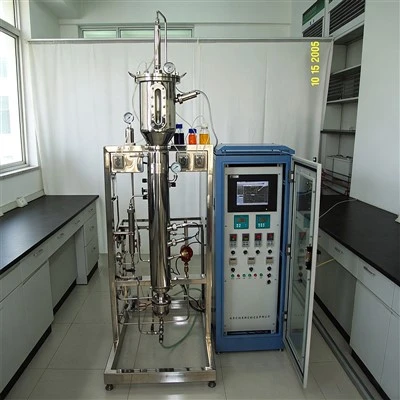
If you’re dealing with recurring contamination, or you’re setting up a new lab and need a bioreactor that’s built for easy, low-contamination runs, I’d love to chat. We can go over your specific needs, whether it’s small-scale lab bioreactors for cell culture, or larger systems for microbial work, and help you build a setup that keeps your experiments on track. No sales pitch pressure, just straight talk from someone who’s worked with labs for years and knows how frustrating contamination can be.
Laboratory Bioreactor References
- Doran, P. M. (2013). Bioprocess Engineering Principles, 2nd Edition. Academic Press.
- Freshney, R. I. (2010). Culture of Animal Cells: A Manual of Basic Technique and Specialized Applications, 6th Edition. Wiley-Liss.
- ECAAC. (2021). Guidelines for Laboratory Bioreactor Sterilization and Contamination Control. European Cell Culture Association.
- Wang, H., et al. (2019). "Contamination Prevention in Lab-Scale Bioreactors: Common Pitfalls and Mitigation Strategies". Journal of Laboratory Automation, 24(3), 289-297.
Nanjing Tianhong Bioengineering Equipment Co., Ltd.
As one of the most professional laboratory bioreactor manufacturers and suppliers in China, we’re featured by quality products and good price. We warmly welcome you to buy customized laboratory bioreactor made in China here from our factory. If you have any enquiry about pricelist, please feel free to email us.
Address: No.8 Xingshi South Road, Shiqiu Sub-district, Lishui District, Nanjing City, Jiangsu Province, P.R. China
E-mail: 13951637999@163.com
WebSite: https://www.njth-bio.com/
