Let’s cut through the noise and get this right—because when you work with anti-static fabric (ASF), one stain isn’t just a hassle. It’s a potential failure point. I’ve been an anti-static fabric supplier for 12 years, and I’ve seen every mistake in the book: a plant manager dumping bleach on a coffee stain on arc-rated workwear, a lab tech rubbing ethanol into a grease spot that ate through the static-dissipative carbon threads. Those mistakes don’t just ruin a uniform—they void the NFPA ratings, turn a compliant garment into a safety hazard, and cost companies thousands in replacements. If you’re dealing with stains on anti-static fabric, you don’t need generic laundry tips. You need targeted methods that protect the conductive fibers while eliminating the grime that slows your team down or puts them at risk. This post covers exactly that—no guesswork, no one-size-fits-all junk. Anti-static Fabric
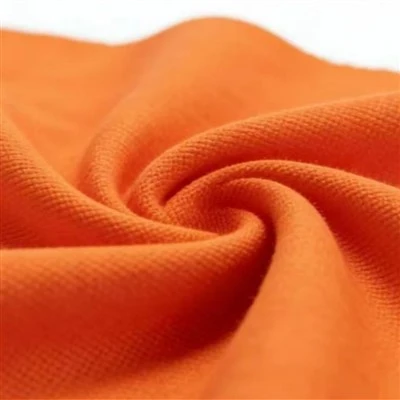
First, let’s get one thing straight: anti-static fabric isn’t a single type. I supply three core lines to industrial, pharmaceutical, and semiconductor clients, and each has different stain rules. The most common is carbon-infused polyester-cotton blend for industrial workwear, which has tiny, dispersed carbon fibers that carry static away. Then there is metallic thread anti-static fabric, used in precision semiconductor cleanrooms, where woven stainless steel or copper fibers create a continuous conductive path. Finally, we have inherent anti-static fabric, made from polymers like PEEK or PVDF with built-in static resistance, used in labs handling flammable materials. Each of these reacts differently to detergents, solvents, and scrubbing, so treating them the same is the #1 mistake I see.
Before we dive into specific stains, there are two non-negotiables to do every time you spill on ASF, no exceptions. First, act fast. The second a stain hits, grab a clean, lint-free cloth (never paper towels—they leave tiny fibers that can clog gaps in conductive threads, especially in cleanroom fabrics) and blot. Blotting pulls grime away instead of rubbing, which is what damages the conductive fibers. Rubbing abrades the surface, frays carbon or metallic threads, and breaks the static-dissipative chain. Second, read the care tag—even if you bought the fabric from me. Some custom blends have pre-applied durable water repellent (DWR) coatings that react poorly to certain solvents, and skipping that leads to permanent coating damage that kills anti-static performance.
Now, let’s break down the most common stains our clients call us about, with methods tailored to each ASF type. I’ve tested every one of these in our in-house quality lab over the past decade, so these aren’t internet rumors—they work.
First, oil and grease stains. These are the most frequent: hydraulic fluid on construction workwear, machining grease on automotive uniforms, even food grease on lab coats. For carbon-infused polyester-cotton ASF (industrial workwear), start by scraping off any excess grease with a plastic edge (a credit card works great—never metal, it can scratch the fabric surface and damage conductive fibers). Then, make a gentle solution: 1 quart of lukewarm (not hot—hot oil sets stains and can weaken polyester blends) water mixed with 1 teaspoon of mild, phosphate-free liquid dish soap (Dawn Original works, but avoid antibacterial soaps—they have harsh additives). Dip a soft bristle toothbrush (new, unused, so no leftover detergent) in the solution, blot the stain gently for 10-15 seconds—don’t scrub. Then rinse with cold water. If the stain lingers, add a tiny amount of isopropyl alcohol (91% is best, not 70%—higher concentration cuts grease better without leaving residue) to a clean cloth, blot again, rinse thoroughly, and air dry. Never put oil-stained ASF in the dryer—heat sets grease and damages conductive fibers. For metallic thread ASF (cleanrooms, semiconductors), this is way more delicate. Skip the alcohol entirely—it can corrode the metallic threads, leading to permanent anti-static failure. Instead, use a cleanroom-grade neutral pH detergent (I recommend the ones we supply for our custom cleanroom fabrics) mixed in ultra-pure water, blot gently, and rinse multiple times with ultra-pure water to avoid detergent residue, which is a contamination risk on top of ruining anti-static properties. For inherent polymer ASF (lab coats for flammable work), oil stains can be tricky because the polymers resist penetration. Use a solution of warm water and a small amount of fabric-safe, non-ionic detergent, blot, then let it soak for 10 minutes (no longer—over-soaking can break down the polymer structure). Rinse with cold water and air dry.
Next, protein stains: coffee, soda, blood, food spills. These are the second most common, and they’re even trickier because they can set quickly if you use the wrong water temperature. For carbon-infused ASF, again, act fast. Scrape off any excess food first, then mix 1 quart of cold water with 1 tablespoon of enzymatic laundry detergent (the kind made for baby clothes or blood stains—enzymes break down protein without harsh chemicals). Hot water activates protein stains, so cold is non-negotiable here. Let the solution sit on the stain for 15 minutes, blot gently, rinse with cold water. If the stain remains, add a tiny bit of white vinegar (distilled, not apple cider) to the rinse to neutralize any leftover detergent—just 1 teaspoon per quart, no more, vinegar residue can be a problem for anti-static properties. Never use bleach on protein stains; bleach reacts with the conductive carbon fibers and makes them brittle over time, which ruins static dissipation. For metallic thread ASF, enzymatic detergents are still okay, but use a 50/50 mix with ultra-pure water, and skip the vinegar—vinegar can leave small mineral deposits that interfere with conductivity. Blot, rinse multiple times, and let air dry in a low-humidity area (high humidity can trap moisture that impacts static resistance temporarily). For inherent polymer ASF, protein stains like blood or wine can leave discoloration, so after the enzymatic soak, use a clean cloth dampened with cold water and a tiny bit of ammonia-free glass cleaner (ammonia breaks down the polymer) to blot the stain, then rinse thoroughly.
Then, the big one for industrial clients: chemical spills. Acid and base spills are common on production floors, and they’re the most damaging if not handled right. First, know your ASF type. For carbon-infused polyester-cotton, most standard blends are rated for mild acids and bases, but concentrated ones (like battery acid or drain cleaner) will eat through fabric if left. If you spill a concentrated acid, neutralize it first with a solution of baking soda and cold water (1 cup baking soda per gallon of water) — pour it over the stain slowly, don’t scrub. For concentrated base, use white vinegar mixed with cold water (1 cup vinegar per gallon) to neutralize. Then, blot gently, rinse with plenty of cold water. Never use harsh solvent cleaners on chemical stains—they can break down the carbon fibers’ structure. For metallic thread ASF, chemical spills are a critical emergency. Metallic threads corrode on contact with most acids and even some common cleaning chemicals, so if you spill acid or base on cleanroom ASF, first isolate the garment to prevent cross-contamination, then call a professional cleanroom fabric cleaner immediately. Do not attempt to neutralize it at home—you’ll likely cause permanent corrosion of the threads. For inherent polymer ASF (like PEEK), it’s far more chemical resistant, but concentrated oxidizing agents can still degrade it. Use a mild pH-neutral detergent solution, blot, rinse thoroughly, and test a small hidden area first if the chemical is new to you.
Now, what about stains you can’t treat at home? I get this call all the time from clients who have large batches of ASF stained and don’t want to replace them. If you have a set-in stain that’s been sitting for more than 24 hours, or a stain from a harsh chemical that you’re unsure about, don’t experiment. Send the fabric or garments to a specialty textile cleaner that has experience with anti-static and conductive fabrics. Regular dry cleaning is almost always a bad idea for ASF—dry cleaning chemicals (perchloroethylene, or perc) break down conductive fibers and leave residue that kills anti-static performance. A specialty cleaner will use water-based, pH-neutral detergents and methods that protect the static-dissipative properties.
Wait, one more rule that’s non-negotiable for all ASF: never use fabric softeners or dryer sheets. I can’t stress this enough. Fabric softeners leave a waxy coating on the fabric surface that blocks the movement of static charge—they turn anti-static fabric into regular, static-prone fabric in one wash. Dryer sheets do the exact same thing, plus they leave tiny synthetic fibers that can clog gaps in conductive threads, especially in cleanroom fabrics. If you want your ASF to last and work as designed, skip these products entirely.
Let’s also address a common myth I hear from new clients: “I can just re-coat the fabric if the anti-static properties go away after cleaning.” No, you can’t. The static-dissipative properties of these fabrics are built into the fibers (for blends, it’s the dispersed carbon or metallic threads; for inherent fabrics, it’s part of the polymer structure). Cleaning methods that damage those fibers can’t be reversed with a spray-on coating—spray coatings are temporary, and they can flake off in industrial or cleanroom environments, creating contamination risks. The only way to keep ASF working is to use proper cleaning methods from the start.
If you’re a facility manager, EHS coordinator, or procurement professional working with anti-static fabric for your team, you know that compliance isn’t optional. NFPA 70E, ISO 14644 for cleanrooms, and OSHA standards all require that protective fabrics maintain their conductive properties. A single stained and improperly cleaned garment that fails a static test can lead to fines, safety incidents, or production shutdowns. That’s why taking the time to treat stains correctly isn’t just about keeping uniforms looking good—it’s about keeping your team safe and your operations running smoothly.

If you’re working with anti-static fabric (whether you bought it from me or another supplier) and have questions about a specific stain, cleaning method, or how to test if your fabric is still anti-static, reach out. I’ve spent my career helping industrial, pharmaceutical, and semiconductor clients protect their assets and keep their teams safe. I can walk you through stain-specific steps, recommend compatible cleaning products, or even share our free guide to anti-static fabric care protocols. Don’t wait until a stain ruins a garment or your compliance score—reach out today to connect with our team for procurement guidance and care support.
Reflective Fabric References:
National Fire Protection Association. NFPA 70E: Standard for Electrical Safety in the Workplace. National Fire Protection Association; 2021.
International Organization for Standardization. ISO 14644-1: Cleanrooms and Associated Controlled Environments—Part 1: Classification of Air Cleanliness. International Organization for Standardization; 2015.
ASTM International. ASTM D257: Standard Test Methods for DC Resistance or Conductance of Insulating Materials. ASTM International; 2022.
Textile Institute. The Textile Institute Guide to Technical Textiles. Textile Institute; 2019.
Wujiang Jiashunxin Spray Weaving Co., Ltd.
As one of the most professional anti-static fabric manufacturers and suppliers in China, we’re featured by quality products and good service. We warmly welcome you to wholesale bulk customized anti-static fabric from our factory. If you have any enquiry about free sample, please feel free to email us.
Address: Xingli New Village, Lili Town, Wujiang District, Suzhou City, Jiangsu Province
E-mail: xuzhiqiang20260525@163.com
WebSite: https://www.shunbangfabric.com/
