Hey everyone, Cable Wire

Let’s be real—nothing’s more annoying than reaching for a cable you need, only to find it’s a knotted mess that took 10 minutes to untangle. As a cable wire supplier, I see this problem every single day, not just with customers’ orders but even when my team’s storing extra stock in the warehouse. Tangled cables don’t just waste your time; they can fray the insulation over time, mess up your devices, and even lead to safety hazards if you’re dealing with heavy-duty cords. I’ve learned a lot over the years about what actually works to stop this from happening, and today I’m sharing the no-BS tips that I’ve tested and used for everything from home office setups to job site equipment.
First, let’s talk about why cables get tangled in the first place. It’s not just “they’re wires”—physics and how we handle them play a huge role. Cables are long, flexible, and have no inherent structure, so they naturally loop and twist when left loose. If you’ve ever walked past a cable on the floor and kicked it, or stuffed a bunch into a drawer without a plan, you’re basically handing it a free pass to turn into a knot. Even storing a long cable loosely rolled up with a single twist is a bad move—this creates a “twist memory” that makes it way more likely to tangle later. I’ve seen this with Ethernet cables, power cords, even speaker wires: skip the small twist when rolling, and you’re asking for it.
Now, let’s get into the actionable stuff that actually works, no fancy tools required (though I’ll mention a few cheap ones that are worth it).
Start with the basics: the “right roll” for every cable. I know, you’ve probably heard of rolling cables before, but there’s a correct way to do it that makes a massive difference. Don’t just grab the ends and twist once—try the figure-8 method. Here’s how it works: hold one end of the cable in your dominant hand, then use your other hand to fold the cable back on itself in a loop, forming a figure 8 shape as you go. This distributes the twists evenly instead of concentrating them in one spot. For shorter cables (like phone chargers or USB cords), this might seem overkill, but test it next time: roll a USB cable the wrong way, then the right way, and you’ll notice the right-way one stays way neater when you set it down. I’ve been telling my customers this for years, and so many have messaged back saying it’s a game-changer for their desk drawers.
Next, use cheap, simple organizers—not the bulky, expensive ones you see on social media. You don’t need those fancy cable management systems that cost more than the cables themselves. For home use, old-school items work great: twist ties, fabric strips, even rubber bands. Wait, rubber bands? Yeah, but not the thin ones that break easily. Go for the thick, reusable ones (the kind you use for produce at the grocery store, but I recommend getting a pack of heavy-duty ones for long-term use). The key is to not over-tighten them—you want just enough to keep the cable from unraveling, not so tight that you damage the insulation. Another hack: take empty toilet paper rolls or paper towel rolls, slip the rolled figure-8 cable onto the tube, and tuck the loose end into the empty middle. This keeps the whole thing from rolling around and tangling with other cables. I keep a stack of these tubes in my warehouse for storing extra cable samples, and they’ve saved me so much time untangling before shipping orders.
For larger spaces, like a home office or a workshop, you need more than just individual organizers. The biggest mistake people make here is letting cables hang loose under desks or along walls. I see this all the time when setting up customer homes: power cords for computers, monitors, and printers just dangle there, bouncing as you walk by and tangling with each other. Instead, use cable clips—they’re tiny, cheap adhesive clips that stick to the underside of your desk or along baseboards, and they hold cables in place in neat little rows. Pro tip: don’t mount clips too close to a device; leave a little slack so you don’t pull the cable out of the port when you move the monitor. I also recommend using cable sleeves (the fabric ones, not the plastic rigid ones) to group 3-5 cables together. This turns a bunch of loose cords into a single bundle, so they can’t twist around each other. Just make sure not to stuff too many cables into one sleeve—overcrowding creates extra friction, which leads to tangles.
Now, let’s talk about cable-specific tips, because not all cables are the same. For example, heavy-duty cables (like extension cords for tools or outdoor use) are way more prone to tangling because they’re thicker and stiffer. I always tell customers who buy these from me to store them on a cable reel, not just roll them up by hand. A cheap plastic reel costs less than $10 at a hardware store, and it lets you wind the cord tight and evenly, with no twists. When you need to use it, pull out just the amount you need, not the whole cord—this prevents dragging the whole thing across the floor and getting it tangled. For thinner, more delicate cables (like HDMI or USB-C), skip the metal twist ties—they can scratch the cable’s outer layer over time, which might lead to signal issues. Stick to fabric Velcro straps instead; they’re reusable, gentle on insulation, and easy to adjust.
Wait, what about when you’re traveling with cables? Road trips, work trips, even just moving your laptop from your desk to the couch—cables go everywhere, and that’s when they tangles the most. I used to stuff all my cords into a random bag and spend 10 minutes untangling them every time I arrived at a hotel. Now, I use a small mesh pouch with individual slots for each cable. You can get these for a few bucks online, or even repurpose an old sunglasses case: cut a few small slits on the sides, slip each rolled cable into its own slot, and tuck your chargers in. No more fishing around in a messy bag for a USB cable—this has saved me so much time on the road.
But here’s the thing: even the best organizers won’t help if you’re being careless with how you handle cables. I’ve seen customers buy $50 worth of cable management gear, but still toss their extension cord on the garage floor after using it, and wonder why it’s tangled the next time they need it. The habit of putting cables away properly is way more important than any tool. When you’re done using a cable, take 30 seconds to roll it the right way, clip it up, or tuck it into its pouch. That’s it. I know life’s busy, but those 30 seconds add up to way less time than untangling a giant knot later.
Also, let’s talk about what to avoid. Don’t use hair ties—they’re too stretchy and break easily, leaving you with a loose bit of elastic that can get tangled in your cables. Don’t over-roll a cable too tight; this creates too much tension, which makes it more likely to spring into a knot. And don’t store cables in hot, humid places—heat can make the cable’s outer insulation less flexible, so it’s more prone to staying twisted and tangled even after you unroll it. That’s another reason why I recommend storing cables in a cool, dry spot in your warehouse, not near our space heaters we use in winter.
As a cable supplier, I get questions all the time about this stuff. Last month, a customer emailed me saying their new HDMI cable arrived already tangled. I told them to unroll it using the figure-8 method, and now they’ve started doing that with every cable they get from me. It’s simple, but it works. The biggest takeaway here is that cable tangling isn’t some unavoidable annoyance—it’s a fixable problem with small, consistent habits and a few cheap tools.
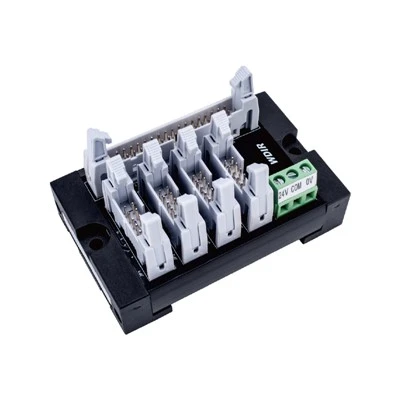
If you’re dealing with constant cable tangles and need help picking the right cables for your setup (whether it’s for home, office, or job site), feel free to reach out. I’ve worked with all kinds of customers, from freelancers setting up a home studio to construction teams needing heavy-duty extension cords, and I can help you find exactly what you need to make your space (and your cables) more organized.
Pull Spring Terminal References:
- IEEE Standards Association. (2021). Cable Management Best Practices for Electrical and Data Systems. IEEE Press.
- Consumer Product Safety Commission. (2022). Common Cord Hazards and Prevention Tips. U.S. CPSC.
- National Fire Protection Association. (2020). Electrical Cord Safety Guidelines for Residential Use. NFPA Journal.
- Cable Organizer Association. (2023). Household Cable Storage and Tangling Prevention Research. COA Publications.
Zhejiang Weide Electric Co., Ltd.
Zhejiang Weide Electric Co., Ltd. is one of the most professional cable wire manufacturers and suppliers in China, featured by quality products and low price. If you’re going to buy the newest cable wire, welcome to get free sample from our factory. We also accept customized orders.
Address: No.555, South Binhe 2nd Road, Yueqing City, Zhejiang Province, China
E-mail: zjwdir@wdirele.com
WebSite: https://www.chweide.com/
