Let’s be real—if you’ve ever worked in a busy café, catered a wedding, or run a small deli, you’ve glanced over at that stainless-steel food warmer when the rush dies down and thought, “Can I just step away for 10 minutes? No one’s gonna touch it, right?” As someone who’s spent the last 8 years selling, installing, and fixing these exact warmers (I’m one of the folks who shows up when a restaurant’s warming station dies mid-brunch, not just a guy in a polo shirt with a logo), I get the urge to dip out for a quick bathroom break or grab a coffee. But here’s the thing: “safe” isn’t a yes/no answer when it comes to leaving these things unattended, and I’ve seen way too many near-misses (and a couple actual messes) that make me want to yell from the rooftops about the fine print. Food Warming
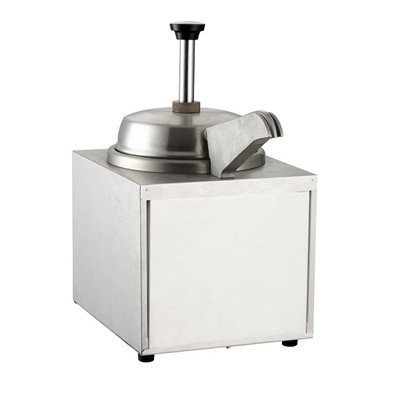
First, let’s cut through the vague “food safety rules” you might’ve heard. The big one everyone quotes is the FDA’s Food Code, which says hot food needs to stay at 140°F (60°C) or higher to stop bacteria like salmonella or E. coli from growing. But what most managers don’t know is that that number only applies if the warmer is actually holding at that temp—not if it’s left unattended and drops, or if something about the warmer’s setup is off. I’ve had a client come to me last month whose fried chicken warmer was “unattended” for 7 minutes while she grabbed her keys to let a delivery in. When she came back, the digital thermometer she taped to the inside of the tray showed 128°F. That’s not just a “little too cold”—that’s a zone where bacteria doubles every 20 minutes, per the USDA’s Food Safety and Inspection Service (FSIS). So 7 minutes of that? Not a huge deal, but if it had been 20? That chicken’s toast, and you’re looking at a possible foodborne illness complaint.
Wait, but why do warmers drop temp when you’re not there? Let’s talk about how these things actually work—most of the ones we sell are either holding warmers (the countertop ones for pre-made items like sandwiches or lasagna) or buffet servers with heat lamps and water pans. Here’s the trick: if the water pan in a steam warmer gets too low, even a tiny gap can make the whole unit lose heat fast. I’ve had a server leave a buffet warmer unattended during a wedding, and when they came back an hour later, the water pan was almost dry—temp dropped to 90°F, and they had to throw out 4 trays of mac and cheese. And if you’ve got a warmer without a water bath—like a radiant heat warmer for burgers or fries—those rely on a heating element that can burn out, or get covered in crumbs that block the heat. If you’re not there to check, a small crumb fire is way more common than you’d think—especially if you’re cranking the heat to keep crispy foods from getting soggy. I once got a call at 2 a.m. from a 24/7 diner who said their fry warmer had sparked a tiny fire, all because the line cook left it unattended after a late shift, and old fry crumbs had caught on the overheated element.
But before you start panicking and unplugging every warmer in your kitchen, let’s get to the part that’s not black and white: when is it actually okay to leave one unattended? It’s not “never”—it’s “depends on three things: the warmer type, the food, and how you set it up.” Let’s break that down. First, commercial-grade warmers (the ones we supply, not the cheap $50 ones from a big-box store) have temperature alarms. We install them for almost every client who does events or has a late-night shift, and it’s a game-changer. If the temp drops below 140°F, an alarm goes off—even if you’re in the walk-in or in the back office. That changes everything. I had a catering client last year who left a buffet warmer unattended for 45 minutes during a church reception, and the alarm picked up that the water pan had a leak—they fixed it in 2 minutes, no food wasted, no panic. But if you’ve got a cheap, no-alarm warmer? Then “unattended” is a hard no. No exceptions.
Then there’s the food itself. Some foods are way more high-risk than others. Things like cooked poultry, pork, dairy, and seafood need to stay rock solid at 140°F—leave them unattended even for 15 minutes and you’re rolling the dice. But what about things like bread, rolls, or even hot dogs that are held at a lower temp (120°F) and don’t have a lot of moisture? Those are less likely to grow bacteria, but they can dry out or get a little stale if left too long. And crispy foods—fries, chicken tenders, wings—are the worst to leave unattended because if the warmer is too hot, they get burnt or catch fire, and if it’s too cold, they get soggy and gross. I always tell clients: if you’ve got a buffet with crispy items, assign one person to be the “warmer checker” every 30 minutes, even if you’ve got alarms.
Here’s a secret most people in the food industry don’t want to admit: a lot of the “rules” around unattended warmers are rooted in old habits, not actual data. The FSIS did a study a few years back that found that unattended warmers are responsible for less than 5% of foodborne illness outbreaks in restaurants—most of those outbreaks come from cross-contamination or undercooking, not holding food at a slightly lower temp for a short time. But that doesn’t mean you can get lazy. What the study did say is that the biggest risk isn’t the temp drop itself—it’s not knowing about the temp drop. No alarm, no check-ins, and suddenly you have food that’s been sitting in the danger zone (between 40°F and 140°F) for way too long.
Let’s talk about what I’ve seen as a warmer supplier, not just a random guy on the internet. I’ve got a regular client who’s a small pizza shop—they use our under-counter warmers for pre-made pizza pies, and their line cooks leave them unattended all the time during the lunch rush, because they’ve got the temp set exactly right and the alarm goes off if anything’s off. They’ve never had a complaint, never had a food safety issue. But I’ve also had a client who runs a chain of delis who banned all unattended warmer use after a server left a tray of potato salad (wait, potato salad needs to be cold? No, that’s another myth—hold it at 140°F or keep it cold) unattended for an hour, and they had 12 customers call in with stomach aches. Turns out the warmer wasn’t working right, they didn’t have an alarm, and they’d been using that same unit for 10 years without getting it serviced. Oh—service! That’s another big one no one talks about. If you don’t get your warmers checked every 6 months, the heating elements can get worn, the thermostats can be off by 10 or 15 degrees, and suddenly “unattended” is way riskier than it needs to be. I had a client last month who thought their warmer was holding at 140°F, but their thermostat was off by 20 degrees—when I checked, it was actually at 120°F, and they’d been holding food there for 3 days without noticing. They almost got a health code violation because they left it unattended and didn’t catch the mistake.
So let’s wrap this up, because I know you’re here for a clear answer, not a bunch of maybe’s. Here’s my rule of thumb, the one I give every single client when we sell them a warmer:
- If it’s a commercial-grade warmer (not the cheap home one), and it has a working temperature alarm: leaving it unattended for up to 20 minutes is totally fine. That’s just enough time to grab a drink, run to the bathroom, or help a customer at the register. No sweat.
- If it’s a cheap, no-alarm warmer, or you’re holding high-risk foods (poultry, dairy, seafood): never leave it unattended. Period. Assign someone to check every 10 minutes, max.
- Always keep an eye on the water pan for steam warmers—if it’s half-empty, top it off before you step away. For radiant warmers, wipe crumbs off the heating element every time you restock to avoid fires.
- Get your warmers serviced every 6 months. A $100 service call is way cheaper than a health code fine or a foodborne illness lawsuit.
Wait, one more thing—what about events? Caterers, I’m talking to you. If you’ve got a buffet that’s going to be unattended for an hour, do a test run at home (or in your kitchen) the day before. Put a thermometer in the warmer, leave it unattended, and see what happens. I once had a caterer who tested their wedding warmer and found that the thermostat dropped temp when the room was cold—they added a space heater near the warmer (smart!) and fixed it, so when the wedding day came, they left it unattended for 2 hours with zero issues. That test run is worth its weight in gold.
And for anyone here trying to figure out which warmer to buy, or how to make your current setup safer: we’re here for you. Whether you’re a small café needing a countertop warmer, a caterer needing a whole buffet setup, or a restaurant looking to upgrade your old units, we don’t do the cheap no-alarm ones. We build and service warmers that are reliable, have clear temp controls, and are designed so you don’t have to panic every time you step away for a minute. We also help with setup and training, so your team knows exactly how to use them safely.
At the end of the day, food safety isn’t about being paranoid—it’s about being smart. Leaving a food warmer unattended isn’t automatically a death sentence for your food or your business, but it’s also not something you can do without a plan. Follow the FDA guidelines, invest in a good warmer with an alarm, get it serviced regularly, and don’t be afraid to test it before you rely on it for a busy shift or event.

If you’re ready to upgrade your warmers, need help figuring out the right setup for your space, or just have questions about keeping your food safe, reach out. We’re here to help you keep your food hot, your team sane, and your customers happy.
Fryer References:
- U.S. Food and Drug Administration. (2022). Food Code.
- U.S. Department of Agriculture Food Safety and Inspection Service. (2021). Bacterial Growth and Temperature Control.
- National Restaurant Association. (2020). Commercial Kitchen Equipment Safety Best Practices.
- Journal of Food Protection. (2019). Unattended Hot Food Holding and Foodborne Illness Risk in Food Service Establishments.
Foshan Frespro Industries Co., Ltd.
Foshan Frespro Industries Co., Ltd. is one of the most experienced food warming manufacturers and suppliers in China, featured by quality products and good price. We warmly welcome you to buy advanced food warming for sale here and get quotation from our factory. Customized orders are welcome.
Address: Block 1, No. 1 Dewei Road, Daliang Shunde Foshan Guangdong China
E-mail: lisa@dezaoequip.cn
WebSite: https://www.fresproeq.com/
