Hey everyone, it’s Jake from your go-to drainage grate supplier – and today, I’m answering a question I get at least once a week: “Can I use a drainage grate for a French drain?” Let me cut right to the chase here, because this is one of those questions that trips a lot of people up, and honestly, it makes sense why. French drains and drainage grates feel like they’re part of the same drainage family, right? But there’s way more to it than just slapping a grate on a French drain and calling it a day. Let’s break this down like we’re chatting over a coffee (no stuffy jargon, promise). Drainage Grate
First, let’s refresh what each of these actually is, because a lot of folks mix up the two. A French drain, in case you didn’t know, is that trench you dig, usually 12 to 18 inches deep, filled with gravel or crushed stone, right? The whole point is to redirect water that’s pooling near your foundation, around your yard, or even in a low spot that turns into a mud pit. It works by letting water seep through the top of the trench, filter through the gravel, and then flow out to a safe area – like a storm drain or a downhill spot that won’t cause problems.
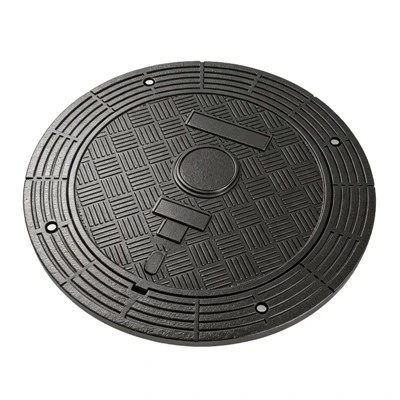
Now, a drainage grate – that’s exactly what I sell, but let’s be real, not all grates are the same. These are those flat, slotted, or grid covers that go over drains to keep debris (leaves, sticks, dirt) from clogging up the drain. They come in all shapes and sizes: square, round, heavy-duty metal for driveways, lightweight plastic for patio drains, and even decorative ones for walkways.
So back to the big question: can you use a drainage grate for a French drain? The short answer is: sometimes, but only if you do it the right way. If you just take any old grate from your local hardware store and drop it over your French drain’s trench, you’re gonna have a bad time. Here’s why.
First, let’s talk about what a French drain needs vs. what a drainage grate does. A French drain’s top “opening” (where water comes in) can’t be blocked too much. If you use a grate that’s solid, or has super narrow slots, it’s gonna act like a dam. Water can’t seep through fast enough, so it’ll pool on top instead of flowing into the drain. That defeats the whole purpose! But if you pick a grate with wide, open slots – like our heavy-duty slot grates, for example, that have ½-inch gaps – that lets water rush through while still catching leaves and sticks. That’s a game-changer.
Next, size matters. French drains aren’t just tiny 2-inch-wide trenches, right? They’re usually at least 6 inches wide to give water enough space to flow. A lot of basic drainage grates are made for narrow pipe drains (like those 4-inch PVC pipe drains under patios), not wide trenches. If you try to cram a small pipe grate over a 12-inch French drain trench, it’ll sit unevenly, dip in the middle, and trap water there. Also, you need to make sure the grate sits flush with the surrounding ground – no tripping hazards, and no gaps where weeds can grow or debris can sneak through. I see so many people skip that and end up with grass growing through the grate slots, which clogs it up in a month.
Then there’s durability. French drains are exposed to way more than a standard drain grate. If your French drain is in the backyard, it might get stepped on by kids, maybe even driven over by a lawnmower or a small ATV. If you use a lightweight plastic grate meant for a bathroom floor, it’s gonna crack or warp in no time. That’s why our suppliers’ heavy-duty steel or cast iron grates are perfect for this – they can handle foot traffic, lawn tools, even occasional vehicle weight if you’re putting the French drain near a driveway. Cheap grates = replacement every year, which is way more hassle than buying a quality one upfront.
Wait, but there’s a case where using a drainage grate for a French drain is a bad call. If you’re building a French drain in a super low spot that gets a ton of water – like a basement foundation drain that’s constantly surrounded by standing water – a grate might not be enough. Why? Because even a wide-slot grate can let small dirt particles wash in, which will clog the gravel over time. That’s a problem! French drains are supposed to last 10, 20 years if they’re maintained, but if you let silt build up in the gravel, the water can’t flow. So in those cases, you might need a geotextile fabric wrapped around the gravel, and a grate on top to keep big debris out. The fabric stops silt from getting in, the grate stops leaves – together, they work. A lot of folks forget the fabric, and that’s where the grate alone falls short.
Let me also share a mistake I’ve seen homeowners make (guilty, I’ve made this myself years ago). A buddy of mine built a French drain around his new deck last year, and he used a fancy decorative copper grate from a home goods store. It looked cool, but the slots were only ¼-inch wide. After one fall, all the leaves from the oak tree in his yard piled on top, and the rain couldn’t get through. His deck started pooling water, and he had to dig up half the drain to replace the clogged gravel. Lesson learned: decorative grates aren’t designed for heavy water flow. Stick to grates made for drainage, not curb appeal (unless you’re okay with sacrificing function for looks).
Another thing: drainage grate material. If your French drain is in an area where it freezes in the winter, you don’t want a plastic grate. Plastic becomes brittle when it’s cold, so it’ll crack if you step on it after a frost. Metal grates, especially galvanized steel or cast iron, hold up way better in freeze-thaw cycles. We even have grates with a corrosion-resistant coating, which is perfect if your French drain is near a sprinkler system that uses hard water, or near a pool that has chlorine runoff.
Wait, can you use multiple grates for a longer French drain? Absolutely! Most grates come in 2-foot or 4-foot sections, so you can line the whole trench with them. Just make sure to overlap the sections by a couple of inches so there are no gaps where water can seep out around the sides. If you leave gaps, dirt will wash in from the ground, and again, that leads to clogs. I always tell customers to take a quick measurement of their trench’s length and width before buying – don’t guess! A 12-inch-wide trench needs a grate that’s at least 12 inches wide, not 10 inches.
Let’s circle back to why this matters for you. If you’re a homeowner tired of water pooling in your yard, or a landscaper helping a client with foundation drainage, using the right drainage grate for your French drain isn’t just a convenience – it’s part of the drain’s lifespan. A French drain is a big investment, right? Digging the trench, buying gravel, installing it – you don’t want to have to redo it in 5 years because you used the wrong grate.
So let’s recap the do’s and don’ts, quick:
DO use a grate with wide slots (at least ½-inch) for maximum water flow.
DO pick a grate that’s the same size as your trench, or cut to fit (we can help you cut grates to custom sizes, no problem).
DO choose a durable material (galvanized steel, cast iron) for outdoor, high-traffic French drains.
DO use geotextile fabric under the gravel if your area has lots of silt or clay soil – the grate works with the fabric, not instead of it.
DO make sure the grate sits flush with the ground, no dips or gaps.
DON’T use small-slot, decorative, or lightweight plastic grates unless it’s a tiny, low-traffic French drain.
DON’T leave gaps between grate sections – that’s a clog waiting to happen.
DON’T skip the fabric if your drain is in a spot with a lot of fine sediment.
Now, if you’re still unsure, here’s the thing: every French drain is a little different. Some are for a small yard spot, some are for a whole foundation, some get way more water than others. That’s why you shouldn’t just grab the first grate you see at the store – you should talk to someone who knows drainage. I’m here, and our team can help you figure out exactly what grate works for your French drain, whether you need a single section or 100 feet of grates for a big project.
I know it might seem like a small part of the project, but trust me, the grate is what connects your French drain to the outside world. If it’s not right, all the work you put into digging the trench and laying the gravel could go to waste. We’ve seen it so many times: a customer comes to us frustrated because their drain isn’t working, and half the time it’s because they used a grate that was wrong. We’d rather help you get it right the first time than have you call us back in a year for a replacement.
If you’re ready to pick out grates for your French drain, or just have questions about sizing, materials, or installation tips, hit us up. No pushy sales stuff, just honest advice from someone who’s been in the drainage game for years. We can send samples, help you calculate how much you need, and even point you to the right geotextile fabric if you need that too.
At the end of the day, a French drain is all about moving water where it needs to go, and a good drainage grate is the gatekeeper that keeps debris out and water in. You don’t need to overcomplicate it, but you do need to make sure you’re using the right tool for the job. That’s where we come in – we don’t just sell grates, we help you make your drainage work.
Ductile Iron Manhole Cover References
- American Society of Landscape Architects. (2021). Sustainable Residential Drainage Practices. ASLA Press.
- National Association of Home Builders. (2020). Foundation Drainage Guide for Custom Homes. NAHB Research Center.
- United States Environmental Protection Agency. (2019). Low-Impact Development Techniques for Stormwater Management. EPA Office of Water.
- Drainage Grate Manufacturers Association. (2022). Best Practices for Grate Installation in French Drain Systems. DGMA Technical Bulletin.
- University of Extension. (2021). Homeowner’s Guide to French Drain Maintenance. Land Grant University Publications.
Hangzhou Hongkun Municipal Engineering Co., Ltd.
We are one of the most experienced drainage grate manufacturers and suppliers in China, also accept customized orders. We warmly welcome you to wholesale bulk high quality drainage grate in stock here from our factory. If you have any enquiry about quotation, please feel free to email us.
Address: No.666, Jiuheng Road, Shangcheng District, Hangzhou City, Zhejiang Province
E-mail: tsxhxw@126.com
WebSite: https://www.hkmuni.com/
