Hey there, if you’re reading this, chances are you’re knee-deep in trying to figure out which forklift actually makes sense for your business—no one wants to waste cash on a machine that can’t pull its weight, right? I’m part of a forklift supply crew, and let me tell you, we see this every single day. Small shops, big warehouses, construction sites, even retail distribution hubs—everyone’s over here scrolling through specs and getting confused by jargon. So I’m gonna break this down like we’re chatting over coffee, no boring corporate fluff, just stuff that actually matters. Forklifts
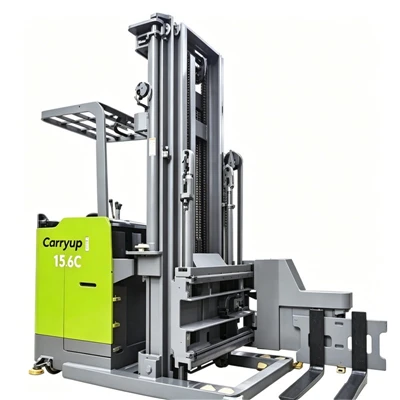
First off, let’s start with the basics: you can’t pick a forklift without knowing what you’re gonna use it for. That sounds obvious, but trust me, so many guys skip this step and end up with a machine that’s either too weak or way too powerful. Let’s think about your load size first. If you’re moving pallets of snacks in a grocery warehouse, those are light—like, maybe 2,000 to 5,000 lbs max. A counterbalance electric forklift would nail that, right? But if you’re on a construction site lifting steel beams or concrete blocks? You’re gonna need something with higher capacity—like 10,000 lbs or more. That’s where diesel or LP gas forklifts come in, they’ve got the muscle for heavy stuff. Wait, but don’t sleep on lift height either. If your warehouse has 20-foot ceilings, a standard forklift might only reach 15 feet, and you’re gonna be stuck. Some of our customers forgot that once and had to rent a whole other machine for their tall storage racks—total waste.
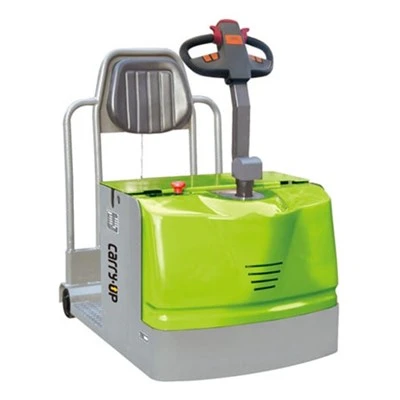
Next, where are you gonna drive this thing? Indoor vs. outdoor is a huge split. Indoor spaces are tight—you don’t want a loud, exhaust-spewing diesel forklift in a small grocery store back room, that’s a safety hazard and stinks up the place. Electric forklifts are perfect here—they’re quiet, zero emissions, and super maneuverable. We’ve got a lot of small retail clients who love our 3-wheel electrics because they can turn on a dime in narrow aisles. But outdoor? Dirt, gravel, rough terrain—electric forklifts usually can’t handle that. They’re too light, get stuck easy, and their batteries don’t like the cold mud. That’s when you go for a rough-terrain forklift—big tires, heavy frame, diesel-powered, built to bounce over uneven ground. We had a landscaping client last month who tried an electric in their yard and got it stuck in a rain-soaked spot; they ended up trading it for a rough-terrain model and haven’t looked back since.
Then there’s the elephant in the room: budget. Wait, not just the upfront cost—total cost of ownership, right? A cheap electric forklift might seem like a steal, but if it’s got a tiny battery that only lasts 2 hours, you’re gonna be wasting time charging it every shift, and replacing that battery later costs a fortune. On the flip side, a fancy diesel forklift might have a high upfront price, but diesel is cheap, and they last forever if you maintain ’em. Also, don’t forget about maintenance. Some forklifts are way easier to fix than others. We stock parts for all the machines we supply, and we offer a maintenance plan that’s not a ripoff—our clients who sign up for that hate us a little at first, but then save thousands in repairs later. If you’re on a tight cash flow, maybe look at used? But only from a reputable supplier—we inspect every used forklift before we sell it, so you don’t end up with a lemon that breaks down after a week.
Wait, another thing: operator skill. Not all forklifts are easy to drive. If your guys are new to this, don’t get a super high-capacity rough-terrain forklift—it’s way too big and hard to handle. A smaller 4-wheel electric might be better, because it’s more stable and simpler to maneuver. On the flip side, if your operators are pros who’ve been driving forklifts for 10 years, they’ll love a heavy-duty model that lets them move big loads fast. Also, safety features—you don’t wanna cut corners here. Newer forklifts have backup cameras, stability controls that stop you from tipping, even sensors that alert you if you’re too close to a wall. We always recommend getting at least the basic safety add-ons, even if it means tweaking your budget a little—one of our clients skipped the backup camera, and their forklift backed into a pallet, costing them way more than the camera would’ve.
Let’s talk about niche stuff too, because it’s not just pallets and beams. If you’re in a grocery or food business, you need a forklift that’s USDA-compliant—no weird chemicals on the parts, easy to clean. We’ve got those, they’re electric, and they’re designed to be hosed down without messing up the electronics. If you’re moving long things, like lumber or pipes, a regular counterbalance forklift might push ’em around—you need a reach truck or a side loader, which lets you pick up long loads sideways, perfect for lumber yards. And if you’re working in a very cold storage warehouse (like for frozen food), regular electric batteries die fast in freezing temps. We have cold-storage forklifts with special batteries and insulation that work down to -20°F—game changer, we had a client who lost 3 batteries in 3 months before switching to ours.
Now, let’s chat about mistakes we see all the time. First, buying too big. A guy came to us a few months ago who bought a 12,000 lb capacity diesel forklift for a small auto parts warehouse—they only move 3,000 lb pallets. That forklift was like driving a semi in a parking lot, so he ended up not using half its capacity and wasting fuel every time. Second, ignoring terrain. A construction company tried an electric forklift for a job site with uneven dirt—they had to call a tow truck twice in the first week. Third, forgetting battery life. A restaurant supply company got an electric forklift with a 1-hour battery, so their guys had to charge it twice a day, which cut their work time by 2 hours total. They swapped it for a model with a 6-hour battery and saved so much time.
So, how do you narrow this down? Let’s make a quick checklist, okay? 1. Write down your average load weight and max load. 2. Figure out where 90% of your driving happens—indoor tight aisles, outdoor rough terrain, cold storage, whatever. 3. Estimate your budget, including maintenance and future costs (parts, fuel/electricity, repairs). 4. Think about your operators’ skill level. 5. Note any niche needs (food compliance, long loads, cold temps). That’s your starting point.
At the end of the day, there’s no “one-size-fits-all” forklift. That’s why we don’t just push the most expensive or the cheapest one—we sit down with every client, ask them all these questions, and walk through what’s actually gonna work for their business. We’ve got everything from tiny 3-wheel electrics for small retail spots to big rough-terrain diesels for construction, used forklifts for tight budgets and new ones for folks who want the latest safety gear.
If you’re still stuck, or you wanna bounce your needs off someone who actually knows their stuff, hit us up. We can send a guy to check out your space, or just walk through your specific use case over a quick call. No pressure, no sales pitches that make you want to hang up—just real advice from people who’ve been in this forklift game for years.
Wait, I almost forgot to mention—test drives. Always test drive a forklift before you buy it. Sit in the driver’s seat, see how the controls feel, drive it around your space, lift a sample load if you can. We let all our clients test drive any forklift we supply, because you can tell a lot from actually sitting in it. One client tested a forklift that looked great on paper, but the steering felt wobbly, so they picked a different one—saved them a headache later.
Also, don’t sleep on after-sales support. If your forklift breaks down at 2 a.m. on a Friday, you need someone who can fix it fast. We have a 24/7 emergency service line for all our clients, and we keep parts in stock so we can get ’em to you same day. That’s way more important than saving $500 on a forklift from a supplier who won’t return your call when it breaks.
Oh, and fuel type quick recap: electric is best for indoor, light loads, low maintenance but shorter run time. Diesel is best for outdoor, heavy loads, long run time, higher maintenance but durable. LP gas is middle ground—works indoor and outdoor, cleaner than diesel, good for mid-sized loads. That’s a quick cheat sheet if you’re still confused.
I think that’s all the stuff no one tells you when you’re first picking a forklift. It’s not just about specs online—it’s about your space, your loads, your team, and your wallet. If you take the time to go through that checklist, you’ll end up with a forklift that works for you, not against you.
If you’re ready to chat, just reach out. We’ll help you cut through the noise and find the right fit. No jargon, no weird hoops—just straight-up advice.
Forklifts References
- Occupational Safety and Health Administration. Forklift Safety Guidelines, 2022.
- Material Handling Industry Association. Total Cost of Ownership for Lift Trucks, 2021.
- U.S. Department of Energy. Electric vs. Internal Combustion Forklift Performance, 2023.
- American National Standards Institute. Safety Standards for Rough Terrain Forklifts, 2022.
- National Agri-Marketing Association. Cold Storage Forklift Requirements for Food Operations, 2022.
Hangzhou Carry Equipment Co., Ltd.
Hangzhou Carry Equipment Co., Ltd. is one of the most professional forklifts manufacturers and suppliers in China, also supports customized service. Please feel free to buy advanced forklifts for sale here and get quotation from our factory. For price consultation, contact us.
Address: No.360 Tongxiang Rd., Yinzhou Economic Development Zone, Yinzhou Dist., Ningbo, China
E-mail: Sales@carryupmhe.com
WebSite: https://www.carrymhe.com/
