If you’ve ever stood in a manufacturing floor, watching an automatic plastic cylinder machine hum through a production run, you might’ve found yourself wondering: can this workhorse really pull off internal threads? As someone who’s spent the last 12 years selling, troubleshooting, and refining these machines, I hear that question at least once a week—usually from folks who’re ready to level up their part designs but aren’t sure if their current equipment can keep up. Let’s cut through the generic industry fluff and talk about what’s actually possible, because the short answer isn’t a flat “yes” or “no”—it’s a nuanced, machine-dependent “yes, if you set it up right.” Automatic Plastic Cylinder Machine
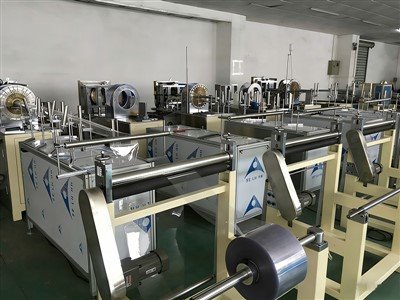
I start every conversation about internal threads with a quick reality check: automatic plastic cylinder machines aren’t one-size-fits-all. When most people picture these machines, they think of basic injection molding setups that spit out smooth, hollow plastic tubes for everything from pill bottles to industrial lubricant containers. Those are fine for simple parts, but if you need internal threads—think a cap that twists onto a cleaning solution jug, or a small plastic component for a medical device that screws into a housing—you need a machine that’s built to handle undercuts, which is exactly what internal threads are.
Let’s get into the mechanics, because this is where a lot of misconceptions live. A standard vertical or horizontal plastic cylinder machine uses a fixed core pin (the part that forms the inside of the cylinder) and a matching cavity that shapes the outside. Internal threads are a recessed feature, so if you don’t design the mold to release that thread once the plastic cools, you’ll end up with a part that’s permanently stuck in the mold—or worse, a thread that’s stripped, warped, or inconsistent. That’s why the right mold insert is non-negotiable here. The most common setup we deploy for internal threads is a retractable core pin, or “unscrewing mold,” which is integrated directly into the machine’s operating cycle. Here’s how that works in practice: during the injection phase, the core pin locks in place to form the full inside diameter of the cylinder, including the thread profile. Once the plastic has cooled enough to hold its shape (we test for that with temperature sensors in the mold, not just a timer), the core pin automatically retracts and unscrews from the part in a slow, controlled motion. The machine’s servo-driven motor handles the rotation, so there’s no uneven pull, no thread damage, and it’s fully automated—no manual labor to remove parts or touch up threads, which is a huge win for consistency.
I’ll be honest with you: this isn’t as simple as swapping out a core pin on a whim. I’ve had customers come to me with a used machine they bought cheap, saying they want to add internal threads to their line, and nine times out of 10, that machine wasn’t built to support the servo controls or retraction force needed for threading. For example, if you’re making a small 1-inch diameter thread for a pharmaceutical vial cap, you need a machine with enough precision to handle a core pin that moves at fractions of a millimeter per revolution. If you’re making a larger 6-inch thread for an industrial chemical drum, you need extra torque on the unscrewing mechanism to handle the thicker, more rigid plastic. I had a customer in Ohio who tried retrofitting a 10-year-old machine to do 4-inch threads a couple years back, and they ended up with 20% of their parts coming out with cross-threads because the machine’s existing motor couldn’t adjust rotation speed mid-cycle. We retrofitted their machine with a custom servo unscrewing unit, and they now run 20,000 parts a day with less than 0.5% defect rate—proof that it’s not about the machine’s age, it’s about matching the components to your part’s specs.
Another common pain point I see is plastic resin compatibility. Not all plastics thread the same way. If you’re working with a standard HDPE for milk jugs, the thread can be a bit forgiving, but you need to account for the resin’s shrink rate as it cools. If you’re using a more rigid material like polypropylene for battery casings, the thread has to be sharp and precise enough to form a tight seal, so your mold’s surface finish and retraction speed matter that much more. I always tell customers to test a small sample run with their actual resin before committing to a full production run—we offer on-site test runs at our facility, because nothing beats seeing a part come off the line and twisting the thread to feel how it fits. Last quarter, a team from a medical device startup brought in a biocompatible resin, and after three test runs adjusting the retraction speed and mold temperature, we nailed a thread that passed their leak tests on the first full production order.
There’s a myth floating around that adding internal threads slows down production, but that’s outdated. Modern automatic plastic cylinder machines with integrated unscrewing molds run a full cycle (injection, cooling, retraction, part ejection) in 8 to 12 seconds, same as a standard machine making smooth cylinders. The retraction step adds only 1 to 2 seconds to the cycle, which is negligible when you’re running 10,000 parts an hour. I’ve got a customer in Texas that runs 3-inch HDPE threads for cleaning product bottles 24/7, and their line output is identical to their old smooth cylinder line—they didn’t have to add a single shift to keep up with demand.
Of course, there are limitations, and I’d never hide them from a customer. You can’t do extremely fine threads (like those used for watch components, which need thread pitches smaller than 0.5mm) with a standard automatic cylinder machine—those require more specialized micro-molding setups. And if you need a very large, heavy thread (over 10 inches in diameter), you’ll need a machine with a larger clamping force, because the mold has to hold its shape while the plastic is injected under high pressure. But for 90% of the common applications our customers work on—from beverage caps to agricultural sprayer parts to small industrial containers—internal threads are not just possible, they’re reliable and cost-effective.
So why do so many people still ask if it’s possible? Because for years, the only way to get internal threads was to make the cylinder first, then send it to a secondary machining step to cut the thread. That added labor, waste, and extra time to production. Our automatic machines eliminate that secondary step entirely, so you cut costs by 30-40% on part production and reduce material waste by not having to trim or machine off excess plastic.
At the end of the day, the key to making it work is pairing the right machine setup with your specific part needs. You don’t need to scrap your entire production line to add internal threads—most automatic plastic cylinder machines can be retrofitted with the right mold and servo controls, and newer models come with threading capabilities as a standard option.

If you’re ready to explore adding internal threads to your plastic cylinder production, we can run a test sample of your part on our in-house machines to show you exactly what’s possible. We’ll walk you through the specs, the cycle times, and the defect rates, no pressure, no sales pitch. To discuss your requirements and get a customized quote, reach out to our team for a consultation.
Sheet Cylindrical Forming Machine References
Rosato, D. V., & Rosato, M. G. (2000). Injection Molding Handbook. Kluwer Academic Publishers.
Kazmer, D. O. (2007). Injection Mold Design Engineering. Hanser Gardner Publications.
Bralla, J. G. (1999). Handbook of Product Design for Manufacturing. McGraw-Hill.
Titagong (Dongguan) Machinery Co., Ltd.
We are one of the most reliable manufacturers and suppliers of automatic plastic cylinder machine in China. With abundant experience, we warmly welcome you to buy bulk high quality equipment in stock here and get pricelist from our factory. For price consultation, contact us.
Address: No.149, Qingyi Road, Qingxi Town, Dongguan City, Guangdong Province, China
E-mail: shuaizoe@gmali.com
WebSite: https://www.titagonggroup.com/
