As a 500L IBC Tank supplier who’s worked closely with food processing plants for over a decade, the question I get more than any other is: Can a 500L IBC tank actually be used safely and effectively in a food processing facility? Let me cut straight to the chase—yes, it absolutely can. But like any piece of processing equipment, there are non-negotiables that make it work, and pitfalls that trip up even the most seasoned plant managers if they cut corners. 500L IBC Tank

I still remember a 2019 call from a craft juice plant in the Pacific Northwest. They’d just bought a dozen cheap 500L IBCs from a local warehouse, convinced they’d save 30% vs. a specialized food-grade model. Three weeks later, they were scrambling to replace half of them. Why? The tanks had a steel outer cage coated with a generic paint that flaked after a few cycles of hot water and citric acid washes. The flakes ended up in their apple juice batch, leading to a 12-hour production shutdown and a $18,000 recall. That’s not a savings—it’s a catastrophic mistake. It’s the kind of story that sticks with you, and it’s why we built our entire business around making 500L IBCs that check every box for food processing, not just check one off for price.
Let’s break down the science of why 500L IBCs fit so well in food processing, starting with the size. Food processing plants—whether you’re making jams, raw dairy ingredients, bottled sauces, or powdered cocoa—live and die by batch consistency. A 500L tank is a sweet spot here: it’s big enough to handle most medium-to-large production runs without the waste of a 1,000L tank, but small enough to maneuver through loading bays, narrow processing floors, and cold storage racks that can’t accommodate bulkier units. We’ve also seen plants use them as temporary holding tanks between pasteurization and packaging, or to store raw ingredients like canola oil or grain syrups before blending. The key is the tank’s inner container, which is the only part that touches your food product—so that’s where all the focus needs to be.
Our 500L food-grade IBCs use a high-density polyethylene (HDPE) inner liner that’s FDA 21 CFR Part 117 compliant. That’s not a random sticker; it’s a federal regulation in the U.S. that outlines what materials are safe for direct contact with food. The HDPE we use is uncolored, low-odor, and doesn’t leach chemicals when exposed to high temperatures (up to 120°C, which covers most pasteurization and CIP [Clean-in-Place] cycle temperatures in food plants) or acidic or alkaline substances like vinegar, baking soda solutions, or fruit acids. A lot of off-brand IBCs use recycled HDPE for their inner liners, which might be compliant for non-food use but can introduce trace contaminants when reused for food. We only use virgin FDA-grade HDPE, so each tank is as clean as it was the day it left the manufacturing line—even after 50+ wash cycles.
Another critical component is the valve. The drain valve is the point where product flows out of the tank, so if it’s not food-safe, you’ll have the same problem as the Pacific Northwest juice plant. Our 500L IBCs come with a 2-inch food-grade ball valve made from polypropylene, which is also FDA-compliant, and we offer optional sanitization caps that eliminate any crevices where bacteria can hide. Crevice formation is a huge risk in food processing—even small gaps can harbor pathogens like E. coli or Listeria, which is why we design all our tanks with smooth, seamless inner liners and no hard-to-reach areas. A few years ago, we worked with a cheese processing plant that switched from 200L barrels to our 500L IBCs. They reported a 40% drop in bacterial contamination rates because the IBC’s smooth surfaces were easier to sanitize thoroughly than the old barrels, which had a dozen metal seams that were impossible to clean without disassembly. That’s the kind of real win that makes the 500L size worth investing in.
But it’s not just the inner liner and valve— the outer steel cage matters too. The cage protects the inner HDPE container from impact during transport and stacking, which is essential in food processing plants where tanks are often moved with forklifts or pallet jacks. We coat our steel cages with a powder coating that’s NSF International Standard 61 certified, which means it’s non-toxic and won’t flake or react to the CIP chemicals used in food processing. I’ve seen plants use uncoated steel cages, and after a few months of washdowns, the rust would seep through the HDPE liner, turning a batch of maple syrup faintly brown. That’s a costly error, and it’s 100% avoidable with the right cage coating.
Now, let’s talk about common misconceptions. Some plant managers think 500L IBCs are only for liquid products, but that’s not true. We work with a powdered coffee creamer manufacturer that uses our 500L IBCs to store and transport their powder. The inner liner is made of food-grade HDPE with a tight-seal top that prevents moisture from getting in, and the valve is modified with a siphon attachment that lets them pump powder out without spilling. They’ve cut their packaging waste by 25% by using IBCs instead of fiber drums, which would often absorb moisture and spoil small batches of creamer. Another customer uses them for semi-solid products like fruit purees— the valve’s wide opening makes it easy to pump thick purees out, and the rigid structure of the IBC means it doesn’t collapse under the weight of the puree.
The flip side of this is that you can’t use just any 500L IBC for food processing. I’ve had clients come to me with tanks they bought from online marketplaces that were made for transporting industrial chemicals, not food. Those tanks often have inner liners that aren’t thick enough to handle repeated sanitization, or valves that are made of materials that leach into food. If a tank says “for non-food use only” on the label, don’t even consider it. It’s not worth the risk to your product, your brand, or your bottom line. Food processing is a highly regulated industry—you have to meet USDA, FDA, or local food safety standards, and cutting corners on equipment is the fastest way to get hit with a fine or, worse, a product recall.
Another factor to consider is reuse. A lot of food plants want to reuse IBCs to reduce waste, and our 500L food-grade models are designed for that. We recommend reusing them no more than 10 times, and each time you use one, you have to do a thorough inspection: check for scratches or cracks in the inner liner, make sure the valve is working properly, and clean it with a food-safe detergent before each use. We also offer a recycling program for end-of-life tanks, so you don’t have to worry about disposing of them in a way that’s harmful to the environment. We’ve had clients tell us that reusing our IBCs saves them $15,000 a year on packaging and disposal costs, which makes the initial investment pay off quickly.
Let’s circle back to that juice plant I mentioned earlier. They eventually came back to us and bought 24 of our food-grade 500L IBCs. They’ve been using them for three years now, and they haven’t had a single contamination issue. The plant manager told me, “We thought we were saving money with the cheap tanks, but the recall cost us 10 times more than the new IBCs. Now we’d rather pay a little more upfront than risk our product.” That’s the mindset that works for food processing— it’s not about the cheapest option, it’s about the most reliable option that keeps your product safe and consistent.
So, to answer the original question: Yes, a 500L IBC tank can absolutely be used in a food processing plant— when you choose the right model, designed specifically for food-grade use. The 500L size strikes the perfect balance between capacity and maneuverability, which is ideal for most medium-to-large production runs. Our 500L IBCs are tested to meet all federal and international food safety standards, and they’re built to last through thousands of wash cycles and heavy use.
If you’re a food processing plant manager, operations director, or supply chain lead looking to upgrade your storage and transport equipment, don’t leave anything to chance. Our team has worked with hundreds of food processing facilities, from small artisanal bakeries to large commercial sauce producers, and we can help you find the right 500L IBC setup for your specific needs. We’ll walk you through every detail—from liner material to valve options to reuse guidelines—so you can feel confident that your product is safe, your batches are consistent, and your operations run smoothly.
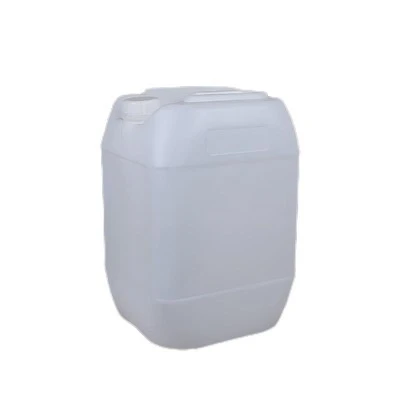
To learn more about our 500L food-grade IBC tanks and discuss your specific requirements, contact our team today to schedule a consultation. We’re here to help you make the best choice for your plant.
Plastic Parts References
National Advisory Committee on Microbiological Criteria for Foods. (2015). Control of foodborne pathogens in food processing environments. Journal of Food Protection, 78(1), 117-176.
U.S. Food and Drug Administration. (2023). FDA 21 CFR Part 117: Current Good Manufacturing Practice, Hazard Analysis, and Risk-Based Preventive Controls for Human Food. U.S. Government Publishing Office.
NSF International. (2022). Standard 61: Drinking Water System Components – Health Effects. NSF International.
European Food Safety Authority. (2021). Safety of plastic materials and articles intended to come into contact with food. EFSA Journal, 19(10), e06875.
Jiangsu Xinhuasheng Packaging New Materials Co., Ltd.
Jiangsu Xinhuasheng Packaging New Materials Co., Ltd. is one of the most professional 500l ibc tank manufacturers and suppliers in China, featured by quality products and low price. Please rest assured to wholesale durable 500l ibc tank in stock here and get quotation from our factory. Customized orders are welcome.
Address: No. 5 Tieta Road, Industrial Park, Guyang Town, Dantu District, Zhenjiang City, Jiangsu Province, China.
E-mail: manager@jsxhsgs.com
WebSite: https://www.xhsibc.com/
