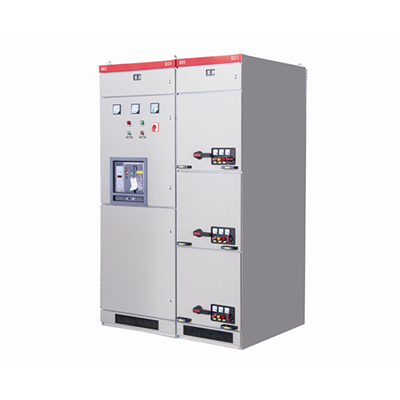
Troubleshooting high voltage switchgear faults is a critical task that requires a comprehensive understanding of electrical systems, safety protocols, and diagnostic techniques. As a high voltage switchgear supplier, I’ve witnessed firsthand the impact that switchgear faults can have on power systems, industrial operations, and overall safety. In this blog post, I’ll share some insights and practical tips on how to effectively troubleshoot high voltage switchgear faults. High Voltage Switchgear
Understanding High Voltage Switchgear
Before delving into troubleshooting, it’s essential to have a basic understanding of high voltage switchgear. High voltage switchgear is an assembly of electrical disconnect switches, fuses or circuit breakers used to control, protect, and isolate electrical equipment. It plays a crucial role in the reliable and safe operation of power systems, from power generation plants to industrial facilities and distribution networks.
Switchgear can be classified into different types based on their voltage levels, such as medium voltage (MV) and high voltage (HV) switchgear. MV switchgear typically operates at voltages between 1 kV and 36 kV, while HV switchgear is designed for voltages above 36 kV. Each type of switchgear has its own design, construction, and operating characteristics, which can influence the troubleshooting process.
Common High Voltage Switchgear Faults
High voltage switchgear faults can occur due to various reasons, including electrical, mechanical, and environmental factors. Some of the most common faults include:
- Insulation breakdown: Insulation failure is one of the most critical faults in high voltage switchgear. It can be caused by factors such as aging, contamination, overvoltage, or mechanical stress. Insulation breakdown can lead to arcing, short circuits, and even equipment damage.
- Contact problems: Poor contact between electrical contacts can result in increased resistance, overheating, and eventually, contact failure. This can be caused by factors such as loose connections, corrosion, or wear and tear.
- Mechanical failures: Mechanical components in switchgear, such as springs, levers, and gears, can experience wear and tear over time. This can lead to malfunctions, such as improper switching or difficulty in closing or opening the circuit breaker.
- Overheating: Overheating can occur due to excessive current, poor ventilation, or faulty components. It can cause damage to insulation, reduce the lifespan of the equipment, and increase the risk of fire.
- Control circuit failures: The control circuit is responsible for operating the switchgear, including closing and opening the circuit breaker. Faults in the control circuit can prevent the switchgear from functioning properly.
Troubleshooting High Voltage Switchgear Faults
Troubleshooting high voltage switchgear faults requires a systematic approach and the use of appropriate diagnostic tools and techniques. Here are some steps to follow when troubleshooting switchgear faults:
Step 1: Safety First
Before starting any troubleshooting activities, it’s crucial to ensure the safety of personnel and equipment. This includes wearing appropriate personal protective equipment (PPE), such as insulated gloves, safety glasses, and hard hats. Additionally, the switchgear should be de-energized and locked out/tagged out to prevent accidental energization.
Step 2: Gather Information
Collect as much information as possible about the fault, including the symptoms, the time of occurrence, and any previous maintenance or repair history. This information can help narrow down the possible causes of the fault and guide the troubleshooting process.
Step 3: Visual Inspection
Perform a visual inspection of the switchgear to look for any obvious signs of damage, such as burned components, loose connections, or signs of overheating. Check the insulation for any signs of cracking, tracking, or carbonization. Pay attention to the condition of the contacts, including their alignment and tightness.
Step 4: Electrical Testing
Use appropriate electrical testing equipment, such as insulation resistance testers, megohmmeters, and circuit breaker analyzers, to perform electrical tests on the switchgear. These tests can help identify insulation problems, contact resistance issues, and other electrical faults.
Step 5: Mechanical Inspection
Inspect the mechanical components of the switchgear, such as the operating mechanism, springs, and gears, for any signs of wear and tear or damage. Check the alignment and operation of the moving parts to ensure proper functioning.
Step 6: Analyze Test Results
Analyze the results of the electrical and mechanical tests to determine the root cause of the fault. Compare the test results with the manufacturer’s specifications and previous test results to identify any deviations or abnormalities.
Step 7: Develop a Repair Plan
Based on the analysis of the test results, develop a repair plan to address the identified fault. The repair plan should include the necessary steps, materials, and tools required to repair the switchgear. It’s important to follow the manufacturer’s recommendations and safety guidelines when performing repairs.
Step 8: Implement the Repair Plan
Implement the repair plan in a safe and systematic manner. Replace any damaged components, tighten loose connections, and perform any necessary adjustments or calibrations. After the repairs are completed, perform additional tests to ensure that the switchgear is functioning properly.
Preventive Maintenance
Preventive maintenance is key to minimizing the occurrence of high voltage switchgear faults. Regular maintenance activities, such as visual inspections, electrical testing, and lubrication, can help identify potential problems before they become major faults. Here are some preventive maintenance tips:
- Follow the manufacturer’s maintenance schedule: The manufacturer’s maintenance schedule provides guidelines on the frequency and type of maintenance activities required for the switchgear. Follow these guidelines to ensure that the switchgear is properly maintained.
- Perform regular visual inspections: Regular visual inspections can help identify any signs of damage, wear and tear, or other issues. Inspect the switchgear for any signs of overheating, loose connections, or insulation damage.
- Conduct electrical testing: Electrical testing, such as insulation resistance testing and circuit breaker testing, can help identify potential electrical faults. Perform these tests at regular intervals to ensure the reliability of the switchgear.
- Lubricate moving parts: Lubrication of moving parts, such as the operating mechanism and contacts, can help reduce friction and wear. Follow the manufacturer’s recommendations for lubrication.
- Keep the switchgear clean: Keep the switchgear clean and free from dust, dirt, and other contaminants. This can help prevent insulation breakdown and other problems.
Conclusion
Troubleshooting high voltage switchgear faults requires a combination of technical knowledge, experience, and the use of appropriate diagnostic tools and techniques. By following a systematic approach and performing regular preventive maintenance, you can minimize the occurrence of switchgear faults and ensure the reliable and safe operation of your power systems.
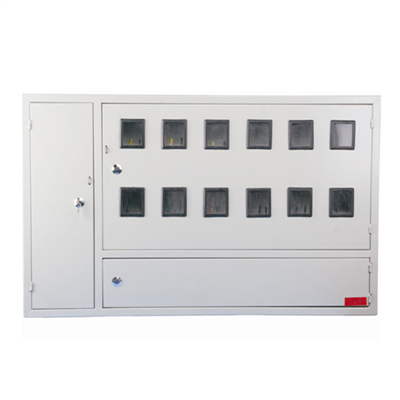
Low Voltage Switchgear As a high voltage switchgear supplier, we are committed to providing our customers with high-quality switchgear products and comprehensive technical support. If you are experiencing any issues with your high voltage switchgear or need assistance with troubleshooting, please feel free to contact us. Our team of experts is ready to help you resolve any problems and ensure the optimal performance of your switchgear.
References
- Electrical Power Systems: Design and Analysis, by Turan Gonen
- High Voltage Engineering: Theory and Practice, by M. S. Naidu and V. Kamaraju
- Switchgear Handbook, by Siemens AG
Anhui Xinchen Electrical Equipment Co., Ltd.
We are one of the most reliable high voltage switchgear manufacturers and suppliers in China, specialized in providing high quality customized products. We warmly welcome you to buy bulk high voltage switchgear for sale here from our factory. Contact us for quotation.
Address: No. 8, Waihuan South Road, Economic and Technical Development Zone, Ningguo City, Xuancheng City, Anhui Province
E-mail: xinchen0316@126.com
WebSite: https://www.cn-xinchen.com/
