Hey there! I’m a supplier of BS Flanges, and today I wanna chat about whether BS Flanges can be used in sewage treatment plants. It’s a question I get asked a lot, and I think it’s super important to dig into this topic. BS Flanges
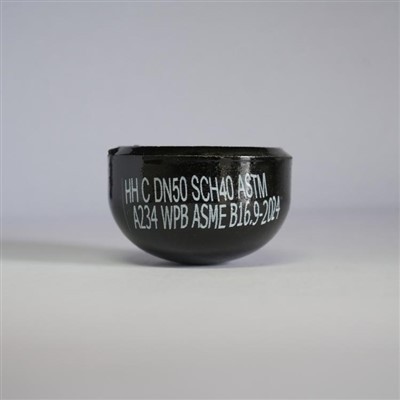
First off, let’s get a bit of background on BS Flanges. BS stands for British Standard, and these flanges are designed according to the British standards. They come in different types, like weld neck flanges, slip-on flanges, blind flanges, and more. Each type has its own features and is suitable for different applications.
Now, let’s talk about sewage treatment plants. These places are all about dealing with wastewater, removing pollutants, and making the water clean enough to be released back into the environment. It’s a complex process that involves a whole bunch of equipment and pipes.
So, can BS Flanges be used in sewage treatment plants? The answer is a big yes! Here are a few reasons why.
Corrosion Resistance
Sewage contains all sorts of nasty stuff, like chemicals, acids, and salts. These can cause corrosion in pipes and equipment over time. BS Flanges are often made from materials that have good corrosion resistance. For example, stainless steel BS Flanges are a popular choice. Stainless steel can withstand the corrosive environment in sewage treatment plants, which means the flanges will last longer and require less maintenance. This is a huge plus for sewage treatment plant operators because it saves them money in the long run.
Leakage Prevention
One of the most important things in a sewage treatment plant is to prevent leaks. Leaks can lead to environmental pollution and health hazards. BS Flanges are designed to provide a tight seal. They have precise dimensions and are manufactured to high standards. When properly installed, they can effectively prevent the leakage of sewage, ensuring that the treatment process runs smoothly and safely.
Compatibility
Sewage treatment plants use a variety of pipes and equipment. BS Flanges are highly compatible with different types of pipes. Whether it’s steel pipes, PVC pipes, or other materials, there are usually BS Flanges that can fit and work well with them. This makes it easier for plant operators to choose the right flanges for their specific needs.
Strength and Durability
Sewage treatment plants operate under high pressure and heavy loads. The flanges need to be strong enough to withstand these conditions. BS Flanges are engineered to have high strength and durability. They can handle the pressure and stress of the sewage treatment process without deforming or breaking. This reliability is crucial for the continuous operation of the plant.
Ease of Installation and Maintenance
Installing and maintaining equipment in a sewage treatment plant can be a challenging task. BS Flanges are relatively easy to install. They have standard dimensions and connection methods, which means that workers can quickly and accurately install them. Also, when it comes to maintenance, if a flange needs to be replaced or repaired, it’s usually straightforward to do so. This reduces downtime and keeps the plant running efficiently.
However, there are also some things to consider when using BS Flanges in sewage treatment plants.
Material Selection
As I mentioned earlier, the corrosive environment in sewage treatment plants requires careful material selection. While stainless steel is a good option, there are other factors to consider as well. For example, if the sewage contains high levels of certain chemicals, a different material might be more suitable. It’s important to consult with experts or do some testing to choose the right material for the specific conditions in the plant.
Temperature and Pressure Requirements
Sewage treatment processes can involve different temperatures and pressures. The flanges need to be able to handle these variations. Make sure to select BS Flanges that are rated for the specific temperature and pressure conditions in the plant. If the flanges are not suitable for the operating conditions, it can lead to problems like leaks or failures.
Installation Quality
Even the best flanges won’t work well if they are not installed correctly. It’s essential to follow the installation instructions carefully. This includes proper alignment, tightening of bolts, and use of appropriate gaskets. A professional installation can ensure the long – term performance of the flanges.
In conclusion, BS Flanges can definitely be used in sewage treatment plants. They offer many advantages in terms of corrosion resistance, leakage prevention, compatibility, strength, and ease of installation and maintenance. But it’s important to pay attention to material selection, temperature and pressure requirements, and installation quality.
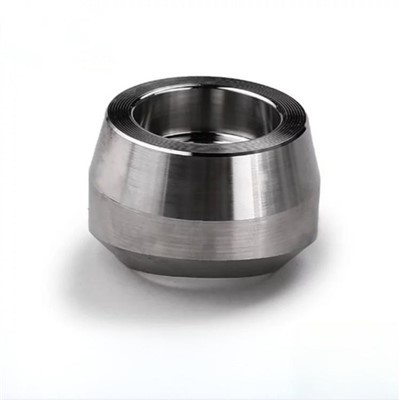
If you’re involved in a sewage treatment plant project or are looking to upgrade your existing equipment, and you’re interested in BS Flanges, I’d love to have a chat with you. I can provide you with more information about our products, help you choose the right flanges for your needs, and offer competitive prices. Don’t hesitate to reach out for a discussion about your procurement needs.
Pipe Tee References
- "Handbook of Flanges and Their Joints" by Bhadeshia, H. K. D. H.
- "Piping Handbook" by Nayyar, R. K.
Hebei Haihao Group Huadian High Pressure Pipe Fittings Co., Ltd.
As one of the most professional bs flanges manufacturers and suppliers in China, we are able to meet the needs of the majority of our customers. Please rest assured to wholesale high quality bs flanges made in China here from our factory. For price consultation, contact us.
Address: Donglin Industrial Zone, Mengcun County, Cangzhou City, Hebei Province, China
E-mail: haihaohuadian@outlook.com
WebSite: https://www.hhfittings.com/
