When you’re a nitrile rubber sheet supplier, I get asked this question all the time from customers: “I bought your sheets, but they’re cracking/discoloring before I even used them—what gives?” The truth is, nitrile rubber (NBR) is tough stuff for oil resistance, right? But it’s not invincible. How you store it makes all the difference between a sheet that lasts 5+ years and one that’s useless in 6 months. I’ve seen way too much waste from folks who tuck their sheets in a random closet, not realizing even small storage missteps kill the material. Let’s break this down straight—no fancy lab jargon, just what works from 10+ years dealing with nitrile rubber sheets. Nitrile Rubber Sheet
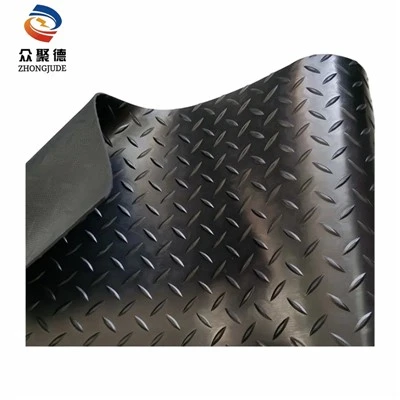
First, let’s get one thing clear: nitrile rubber hates extreme temps, sunlight, and any contact with certain chemicals. I’ve had a customer bring back a sheet that turned sticky after leaning it against a bottle of motor oil in their shop. Guess what? Even minor oil vapor exposure breaks down NBR’s cross-links over time. It’s not just about temperature or darkness—it’s about avoiding specific triggers. Let’s start with the biggest no-no most people miss: direct sunlight. UV rays are NBR’s worst enemy. I once stored a batch of test sheets in our back storage (window open, sun slanting in) for 3 months, and the edges got brittle enough to snap when bent. That’s because UV radiation breaks the polymer chains in nitrile—no way around it. Even indoor fluorescent lights? Long-term exposure isn’t great, but it’s way better than natural sunlight. So rule #1: keep sheets out of any direct light—no windowsills, no garage shelves where sunlight hits, no leaving them leaning against a warehouse wall with no cover.
Next, temperature control. People think “cool is better” but it’s not that simple. I’ve heard folks say “stick it in the fridge!” and that works short-term, but long-term? Fridges are humid, and moisture’s bad for rubber. Plus, sudden temp swings (like moving from a hot truck to a cold fridge) cause condensation, which can seep into packaging and degrade the sheet. The sweet spot for nitrile is 15°C to 25°C (59°F to 77°F)—your standard office or climate-controlled storage space. Hot is just as bad: if your shop hits 35°C (95°F) in summer, store sheets in a shaded, cooler spot. Heat makes rubber soft and sticky, and over time, it’ll lose its tensile strength. We once had a batch of sheets delivered to a customer’s warehouse during a heatwave—they left them on a loading dock for 12 hours. By the time we got the call a week later, half the sheets had melted edges and were unusable. So skip the extreme cold or hot; stick to that middle range.
Then, humidity. Humidity’s a silent killer. Too much moisture (over 65% RH) leads to mold and mildew on the packaging, which can transfer to the sheet and cause discoloration. Also, moisture breaks down NBR’s rubber matrix from the inside out—especially if the sheet’s stored rolled (which most of us do, by the way). Wait, rolling—speaking of that, how you store nitrile sheets matters more than you’d think. If you fold them, especially thick sheets, you get creases that become permanent weak points. Those creases will crack when you cut or use the sheet later. So always roll them tightly around a cardboard tube that’s slightly wider than the sheet’s length (no flimsy tubes, they’ll collapse). Then, slip the roll into a plastic bag—but not a regular grocery store bag! Use a low-density polyethylene (LDPE) bag, the kind we supply our customers with for packaging. It’s porous enough to let a tiny bit of air escape, but blocks external moisture and light. Don’t seal it airtight, though—trapping moisture inside the bag is a quick way to ruin a batch. I’ve learned that the hard way: a customer once sealed their rolls in airtight plastic, stored in a damp basement, and mold grew inside the bag within 2 months. Oops.
Contact with other materials—this is another big one. Nitrile is compatible with a lot, but not with everything. Never store sheets near oils, greases, solvents, or even some plastics. Polyvinyl chloride (PVC), for example, releases plasticizers that can migrate into nitrile rubber and make it swell or get sticky. I’ve had a customer who stacked nitrile sheets next to PVC pipes in their supply closet—after 4 months, the sheets were soft and unusable. Also, keep them away from metal tools or heavy objects that can scratch or indent the sheet—those indentations turn into stress points when you cut the sheet, leading to premature tears. If you’re stacking multiple rolls (or flat sheets, if you can’t roll), use a flat, rigid shelf lined with a thin sheet of paper (not PVC) to separate layers. Don’t stack anything heavier than a few pounds on top—nitrile is flexible, but too much weight compresses the material permanently.
Wait, what if you have old sheets and they’re already looking off? Don’t panic. If they’re just a little stiff, leave them in a cool, dark spot for a few days before unrolling—they might soften back up. If they have minor discoloration, it’s usually surface-level (from dust or light exposure) and doesn’t affect the performance if the core of the sheet is still intact. But if they’re sticky or brittle, there’s not much you can do—they’ve already broken down, which is why proper storage upfront is key.
Let’s also address some common myths I hear from customers. Some think “refrigerating makes it last forever”—nope, refrigeration’s for short-term storage (like if you just bought a sheet and won’t use it for a month). Long-term, it’s better to stick to room temp. Others say “put them in the basement”—only if your basement is climate-controlled. Most basements are damp and cold, which as we talked about, causes condensation. Another myth: “any plastic bag works”—no, the wrong bag will trap moisture or let chemicals seep through. Stick to the LDPE bags we recommend, or if you’re using a custom bag, make sure it’s food-safe LDPE (it’s non-reactive with rubber).
As a nitrile rubber sheet supplier, I’d be lying if I said we don’t see this all the time. We get dozens of calls every month from customers who want to return sheets because they “didn’t last long,” when it turns out their storage was the issue. That’s why we always include a little storage guide with every shipment—most people skip it, which is where the problem starts.
So to recap the actionable steps, no fluff:
- Avoid direct sunlight and bright indoor lights—store in a dark, enclosed space (like a cabinet or closed storage shelf).
- Keep temps between 15°C-25°C (59°F-77°F)—no fridges, no hot garages.
- Control humidity under 65% RH—use a dehumidifier if your space is damp.
- Roll sheets tightly (never fold) and wrap in LDPE bags, not airtight.
- Keep away from oils, solvents, PVC, and heavy objects that cause indentations.

If you’ve got nitrile rubber sheets to store, follow these and you’ll easily double their lifespan. If you’re in the market for nitrile sheets that are ready to stand up to proper storage, or have questions about a specific batch’s storage needs, reach out to our team anytime. We’ve got years of experience helping customers get the most out of their rubber sheets. Don’t let bad storage waste good material—let’s chat.
Nitrile Rubber Sheet References
- ASTM D3183, Standard Practice for Rubber—Storage of Raw and Compounded Materials
- “Nitrile Rubber Stability and Degradation,” Rubber Chemistry and Technology, Vol. 92, No. 3, 2019
- Industrial Rubber Materials Storage Guidelines, National Institute of Occupational Safety and Health (NIOSH), 2021
Hebei Zhongjude Power Technology Co., Ltd.
With abundant experience, we are one of the most reliable nitrile rubber sheet manufacturers and suppliers in China. Welcome to buy bulk high quality nitrile rubber sheet for sale here and get quotation from our factory. For price consultation, contact us.
Address: Shenghe Plaza, No.88 Qilian Street, High-tech Zone, Shijiazhuang City, Hebei Province, China
E-mail: zhongjude@outlook.com
WebSite: https://www.zjdinsul.com/
