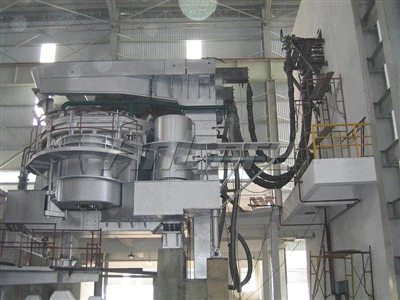
In the dynamic world of metal processing, the Medium – Frequency Induction Smelting Furnace stands as a cornerstone of modern production lines. As a seasoned supplier of these furnaces, I’ve witnessed firsthand how they interact with other equipment to create a seamless and efficient manufacturing process. Medium-Frequency Induction Smelting Furnace
Interaction with Material Handling Equipment
One of the first interactions in a production line occurs between the Medium – Frequency Induction Smelting Furnace and material handling equipment. This includes conveyors, hoppers, and cranes. Conveyors are used to transport raw materials, such as scrap metal or alloying elements, to the furnace. The design of the conveyor system must be carefully considered to ensure a consistent and controlled feed of materials into the furnace. For example, a well – designed conveyor can prevent overloading or under – feeding, which can both have negative impacts on the smelting process.
Hoppers play a crucial role in storing and metering the raw materials before they are fed into the furnace. They can be equipped with sensors to monitor the level of materials, ensuring that the furnace always has an adequate supply. Cranes, on the other hand, are used for larger and heavier materials. They can lift and position large chunks of scrap metal directly into the furnace, which is especially useful for high – volume production.
The interaction between the smelting furnace and material handling equipment is highly coordinated. The furnace’s control system can communicate with the material handling equipment to adjust the feed rate based on the furnace’s capacity and the desired melt rate. For instance, if the furnace is running at a high power and requires a faster feed of materials, the conveyor speed can be increased accordingly.
Interaction with Temperature Control and Monitoring Equipment
Temperature is a critical parameter in the smelting process. Medium – Frequency Induction Smelting Furnaces rely on precise temperature control to ensure the quality of the molten metal. This is where temperature control and monitoring equipment come into play.
Thermocouples are commonly used to measure the temperature inside the furnace. They provide real – time data to the furnace’s control system, which can then adjust the power input to maintain the desired temperature. For example, if the temperature is too low, the control system can increase the power to the induction coils, while if the temperature is too high, it can reduce the power.
In addition to thermocouples, infrared pyrometers can also be used for non – contact temperature measurement. They are particularly useful for measuring the temperature of the molten metal surface. The data from these temperature monitoring devices is not only used for controlling the furnace but also for quality control purposes. By maintaining a consistent temperature throughout the smelting process, the quality of the final product can be significantly improved.
The interaction between the smelting furnace and temperature control equipment is bidirectional. The furnace’s performance can also affect the temperature monitoring equipment. For example, the electromagnetic fields generated by the induction coils can interfere with the signals from the thermocouples or pyrometers. Therefore, proper shielding and signal processing techniques must be employed to ensure accurate temperature measurement.
Interaction with Pouring and Casting Equipment
Once the metal is melted in the Medium – Frequency Induction Smelting Furnace, it needs to be poured into molds for casting. This is where pouring and casting equipment comes into the picture.
Pouring ladles are used to transfer the molten metal from the furnace to the molds. They are designed to be heat – resistant and have a controlled pouring mechanism. The interaction between the furnace and the pouring ladle is crucial. The furnace’s tilting mechanism must be precisely coordinated with the ladle’s positioning to ensure a smooth and accurate pour.
Casting machines, such as die – casting machines or sand – casting equipment, are used to shape the molten metal into the desired products. The temperature of the molten metal at the time of pouring is critical for the casting process. The smelting furnace must be able to maintain the proper temperature until the metal is poured into the molds.
The interaction between the smelting furnace and casting equipment also involves the timing of the process. The furnace needs to be ready to pour the molten metal at the right time to match the casting machine’s cycle. This requires a well – coordinated control system that can synchronize the operations of both the furnace and the casting equipment.
Interaction with Air Pollution Control Equipment
In modern production lines, environmental considerations are of utmost importance. Medium – Frequency Induction Smelting Furnaces generate fumes and dust during the smelting process, which need to be properly controlled. This is where air pollution control equipment comes in.
Baghouses or electrostatic precipitators are commonly used to capture the dust and particulate matter generated by the furnace. These devices are connected to the furnace through a ventilation system. The interaction between the furnace and the air pollution control equipment is essential for maintaining a clean and safe working environment.
The furnace’s operation can affect the performance of the air pollution control equipment. For example, if the furnace is operating at a high power and generating a large amount of fumes, the air pollution control equipment needs to be able to handle the increased load. On the other hand, the air pollution control equipment can also affect the furnace’s performance. If the ventilation system is not working properly, it can cause a build – up of fumes inside the furnace, which can lead to overheating and other problems.
Interaction with Automation and Control Systems
In today’s advanced production lines, automation and control systems play a vital role in coordinating the interaction between the Medium – Frequency Induction Smelting Furnace and other equipment. These systems use sensors, actuators, and programmable logic controllers (PLCs) to monitor and control the entire production process.
The automation system can collect data from various sensors installed on the furnace and other equipment, such as temperature sensors, level sensors, and flow sensors. Based on this data, the system can make real – time decisions to optimize the performance of the production line. For example, it can adjust the power input to the furnace, control the speed of the conveyors, and coordinate the pouring and casting operations.
The interaction between the furnace and the automation system is highly integrated. The furnace’s control panel can be connected to the central automation system, allowing for remote monitoring and control. This not only improves the efficiency of the production process but also enhances the safety and reliability of the equipment.
Conclusion
The Medium – Frequency Induction Smelting Furnace is a key component in a production line, and its interaction with other equipment is essential for the overall success of the manufacturing process. From material handling to air pollution control, each interaction is carefully coordinated to ensure a smooth and efficient operation.
Medium-Frequency Induction Smelting Furnace If you are looking to enhance your production line with a high – quality Medium – Frequency Induction Smelting Furnace, I encourage you to reach out for a procurement discussion. Our team of experts is ready to provide you with the best solutions tailored to your specific needs.
References
- Smith, J. (2018). Metal Smelting Technology. New York: Metal Press.
- Johnson, A. (2019). Automation in Industrial Production. London: Industrial Publishing.
- Brown, R. (2020). Environmental Control in Metal Processing. Sydney: Green Press.
Xi’an Ancore Furnace Complete Set Of Equipment Co., Ltd.
As one of the most professional medium-frequency induction smelting furnace manufacturers and suppliers in China, we’re featured by quality products and good price. Please rest assured to buy durable medium-frequency induction smelting furnace made in China here from our factory. We also accept customized orders.
Address: Yongli 11007, No.6 Jinye 1st Road, Yan Ta District, Xi’An City, Shan Xi,China.
E-mail: info@ancorefurnace.com
WebSite: https://www.ancorefurnace.com/
